
Is your lawn mower smoking? When your lawn mower starts to smoke, it’s usually a sign of a lawn mower engine problems. Most commonly, the issue is related to the engine’s lubrication system, an engine oil leak, or the mower overheating, leading to a burning oil smell. This guide will help you figure out why is my mower smoking and how to fix it. We’ll look at blue smoke lawn mower, white smoke lawn mower, and black smoke lawn mower to help you diagnose the issue.
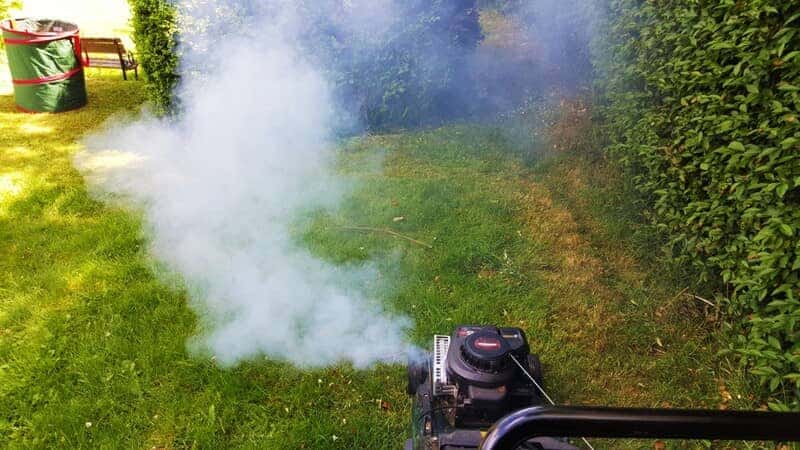
Image Source: lawn.com.au
The Different Colors of Lawn Mower Smoke
The color of the smoke coming from your mower’s exhaust can tell you a lot about what’s going wrong. Let’s break down what each color might mean.
Blue Smoke Lawn Mower: Oil Burning
Seeing blue smoke lawn mower is a pretty clear indicator that oil is getting into your mower’s combustion chamber. This happens when oil seeps past worn piston rings, seals, or even a cracked engine block. Once in the chamber, the oil burns along with the fuel, producing that distinctive blue haze.
Common Causes of Blue Smoke:
- Overfilled Oil Reservoir: This is one of the simplest and most common reasons. If you’ve recently added oil, you might have put too much in. Excess oil can be forced into the cylinder.
- Worn Piston Rings: Piston rings act like seals between the piston and the cylinder wall. Over time, they can wear out, allowing oil to bypass them and enter the combustion chamber.
- Worn Cylinder Walls: Similar to piston rings, the cylinder walls can wear down, creating gaps that let oil slip past.
- Damaged Valve Seals: The valves control the flow of fuel and exhaust gases. Seals around the valve stems prevent oil from entering the combustion chamber. If these seals are worn or damaged, oil can leak down the valve guides and into the engine.
- Tilting the Mower Incorrectly: If you have to tilt your mower to clean the deck or perform other maintenance, make sure you do it the right way. Tilting it with the air filter or carburetor facing down can cause oil to flow into the wrong places.
White Smoke Lawn Mower: Water or Coolant
White smoke lawn mower typically means water or coolant is entering the combustion chamber and turning into steam. This is less common than blue smoke, but it can be a more serious issue.
Common Causes of White Smoke:
- Blown Head Gasket: The head gasket seals the cylinder head to the engine block. If it blows, coolant can leak into the combustion chamber.
- Cracked Cylinder Head or Engine Block: In severe cases, the engine block or cylinder head itself might develop a crack, allowing coolant to enter the combustion chamber. This is a major problem that usually requires professional repair or replacement.
- Condensation: On very humid days, or if the mower has been sitting for a while, a small amount of condensation might build up in the engine. This usually clears up after a few minutes of running.
Black Smoke Lawn Mower: Too Much Fuel
Black smoke lawn mower is a sign that your engine is running too rich, meaning it’s getting too much fuel and not enough air. This unburned fuel exits the exhaust as thick, black smoke.
Common Causes of Black Smoke:
- Clogged Air Filter: The air filter is crucial for providing the engine with the right amount of air. If it’s dirty or clogged, the fuel-to-air mixture becomes unbalanced, leading to rich combustion. This is a very common cause.
- Faulty Carburetor: The carburetor mixes fuel and air. If it’s not adjusted correctly, or if there’s a problem with its components (like a stuck choke or a dirty jet), it can deliver too much fuel.
- Bad Fuel Injector (if applicable): For fuel-injected mowers, a faulty injector can spray too much fuel into the cylinder.
- Choke Stuck Open: If the choke stays open when the engine is warm, it can allow too much fuel in.
Fathoming the Cause of Mower Smoking: A Deeper Dive
Now that we know the basic colors, let’s explore the specific cause of mower smoking in more detail. Often, when a mower smoking exhaust is observed, it’s a symptom of a larger issue within the engine.
Engine Oil Leak: A Slippery Slope
An engine oil leak is a direct pathway for oil to get where it shouldn’t be. Even a small leak can eventually lead to oil seeping into the combustion system, especially if the mower is tilted.
Where to Look for Leaks:
- Oil Pan Gasket: This gasket seals the oil pan to the bottom of the engine.
- Valve Cover Gasket: This seals the valve cover on top of the engine.
- Oil Seals: Seals around the crankshaft or camshaft can wear out and leak.
- Oil Filter Housing: Ensure the oil filter is properly seated and the gasket is in good condition.
- Dipstick Tube: Make sure the dipstick is fully seated.
If you spot an engine oil leak, it needs to be addressed promptly. Not only will it cause smoking, but it can also lead to dangerously low oil levels, which can quickly cause severe engine damage.
Lawn Mower Overheating: A Hot Mess
Lawn mower overheating can exacerbate many of the smoking issues we’ve discussed. When an engine gets too hot, seals can expand and contract, creating small gaps that allow oil to enter the combustion chamber. Overheating also makes oil thinner, increasing its ability to seep past worn parts.
Reasons for Overheating:
- Blocked Cooling Fins: Most lawn mower engines have cooling fins on the outside of the engine block. If these become clogged with grass clippings, dirt, or debris, the engine can’t dissipate heat effectively.
- Low Oil Level: Oil not only lubricates but also helps cool the engine. Running with insufficient oil will cause overheating.
- Faulty Thermostat (if applicable): Some engines have a thermostat that regulates coolant flow. If it’s stuck closed, the engine will overheat.
- Running the Mower Under Heavy Load: Trying to mow very tall, wet grass can put excessive strain on the engine, causing it to run hotter.
Troubleshooting Your Smoking Mower: Step-by-Step
When your lawn mower smoking exhaust is the problem, a systematic approach is best. Here’s how to track down the culprit.
Step 1: Identify the Smoke Color
As we’ve discussed, the color is your first clue.
- Blue Smoke: Likely an oil burning issue.
- White Smoke: Potential coolant or water issue.
- Black Smoke: Usually a fuel mixture problem.
Step 2: Check the Oil Level and Condition
This is the easiest place to start.
-
Procedure:
- Ensure the mower is on a level surface.
- Pull out the dipstick, wipe it clean, and reinsert it fully.
- Pull it out again and check the oil level against the markings.
- Observe the oil’s color and consistency. If it looks dark, dirty, or has a milky appearance, it’s time for an oil change.
-
Corrective Action:
- If the oil is overfilled, drain off the excess oil until it’s at the correct level.
- If the oil level is low, add the correct type and amount of oil.
- If the oil looks contaminated or dirty, perform an oil change.
Step 3: Inspect the Air Filter
A dirty air filter is a common cause of black smoke.
-
Procedure:
- Locate the air filter housing.
- Open the housing (usually with clips or screws).
- Remove the air filter and inspect it.
-
Corrective Action:
- If the filter is dirty, tap it gently to remove loose debris. For paper filters, if it’s very dirty, it’s best to replace it. Foam filters can often be washed with soap and water, dried, and lightly re-oiled.
- If the air filter is heavily saturated with oil, it could indicate that the engine is already burning oil and forcing it into the air intake.
Step 4: Examine the Carburetor and Choke
If black smoke persists after checking the air filter, the carburetor might be the issue.
-
Procedure:
- Check if the choke is fully open when the engine is warm.
- Listen for any unusual sounds from the carburetor.
- If you suspect a carburetor issue, you might need to clean or adjust it. This can be a more complex task.
-
Corrective Action:
- Ensure the choke is functioning correctly.
- Cleaning the carburetor typically involves removing it, disassembling it carefully, and cleaning jets and passages with carburetor cleaner. If you’re not comfortable with this, seek professional help.
Step 5: Look for Signs of Internal Engine Damage
If you’re seeing blue smoke and the oil level is correct, you might be dealing with internal wear.
-
Procedure:
- Check for any engine oil leak around the engine block, valve cover, and oil pan.
- Listen for any unusual knocking or ticking sounds from the engine, which could indicate worn parts.
-
Corrective Action:
- If you find an engine oil leak, try to identify the source of the leak and repair or replace the faulty gasket or seal.
- For worn piston rings or valve seals, repair is often complex and may require disassembling the engine. This is usually a job for a qualified mechanic.
Step 6: Investigate Coolant Leaks (for White Smoke)
If you’re getting white smoke, you need to check the cooling system.
-
Procedure:
- Check the coolant level in the overflow reservoir.
- Inspect hoses for leaks or damage.
- Look for any signs of oil in the coolant or coolant in the oil (a milky residue on the dipstick or oil filler cap). This is a strong indicator of a blown head gasket.
-
Corrective Action:
- If the coolant level is low, top it up.
- If you find oil in the coolant or vice versa, the head gasket is likely blown, and the engine will need professional repair.
Maintenance Tips to Prevent Smoking
Preventative maintenance is key to avoiding lawn mower engine problems and the frustration of a smoking mower.
- Regular Oil Changes: Follow the manufacturer’s recommendations for oil change intervals and use the correct type of oil.
- Clean or Replace Air Filter: Check and clean/replace your air filter regularly, especially if you mow in dusty conditions.
- Keep Cooling Fins Clean: Periodically clean grass clippings and debris from the engine’s cooling fins.
- Use Fresh Fuel: Old fuel can cause poor combustion and lead to other issues.
- Proper Storage: Store your mower correctly during the off-season, including draining the fuel or using a fuel stabilizer.
- Correct Mower Tilting: When you need to tilt your mower, always tilt it with the carburetor and air filter facing upwards. This prevents oil from entering the wrong parts of the engine.
Troubleshooting Table: Lawn Mower Smoking
Here’s a quick reference table to help you identify the issue based on smoke color:
| Smoke Color | Probable Cause | Common Culprits | What to Do |
|---|---|---|---|
| Blue | Burning Oil | Overfilled oil, worn piston rings, faulty valve seals, engine oil leak | Check oil level, inspect for leaks, consider engine wear if other checks are fine. |
| White | Burning Water/Coolant | Blown head gasket, cracked engine block/head, condensation | Check coolant level, look for oil in coolant or vice versa (indicates head gasket issue). |
| Black | Running Too Rich (Too Much Fuel, Not Enough Air) | Clogged air filter, faulty carburetor, choke stuck open, bad fuel injector | Clean/replace air filter, inspect carburetor and choke. |
| Grey | Can be a mix of oil and fuel, or transmission fluid | Various, depending on the exact color and smell. Might indicate a serious internal issue | Needs careful diagnosis; often a combination of issues or a sign of advanced wear. |
When to Call a Professional
While many lawn mower smoking issues can be resolved with basic maintenance, some problems are more complex. You should consider calling a professional mechanic if:
- You’ve tried basic troubleshooting steps and the smoking continues.
- You suspect a blown head gasket or cracked engine block.
- You’re uncomfortable performing carburetor cleaning or other internal engine repairs.
- The lawn mower overheating issue is severe and persistent.
- You’re not sure what the problem is and don’t want to cause further damage.
Dealing with a smoking lawn mower can be concerning, but by following these steps, you can often identify the root cause of mower smoking and get your mower back to its best performance. Regular maintenance is the most effective way to prevent these issues from arising in the first place.
Frequently Asked Questions (FAQ)
Q1: Why is my lawn mower smoking blue after I just changed the oil?
A1: If you’re seeing blue smoke right after an oil change, the most likely culprit is that you overfilled the oil reservoir. Ensure the oil level is within the recommended range on the dipstick. Also, double-check that you used the correct type of oil specified for your mower.
Q2: Can I still mow my lawn if my mower is smoking a little?
A2: It depends on the color and severity of the smoke. Light white smoke that disappears after a minute or two might just be condensation. However, persistent blue or black smoke indicates a problem that needs attention. Continuing to mow can worsen the issue, potentially leading to more serious engine damage. It’s best to stop and diagnose the problem.
Q3: What kind of oil should I use in my lawn mower?
A3: Always consult your lawn mower’s owner’s manual for the specific type and weight of oil recommended. Generally, common lawn mower engines use SAE 30 or SAE 10W-30 oil, depending on the operating temperature. Using the wrong type of oil can lead to poor lubrication and engine damage.
Q4: My mower suddenly started smoking black. What should I check first?
A4: For black smoke, the first thing to check is the air filter. A clogged air filter restricts airflow, causing the engine to run rich (too much fuel, not enough air). Clean or replace the air filter. If that doesn’t solve it, investigate the carburetor for clogs or improper adjustments.
Q5: Is it normal for a brand-new lawn mower to smoke?
A5: It’s not typical for a new mower to smoke significantly. Some very light, wispy smoke might occur during the initial break-in period, especially if there’s a bit of oil residue from manufacturing. However, if you notice any consistent or colored smoke, it’s best to contact the dealer or manufacturer.
Q6: My mower blows a little smoke when I first start it, but it stops after a minute. Is this a problem?
A6: This can be normal, especially in humid conditions or if the mower has been stored for a while. It might be slight condensation burning off. However, if the smoke is blue and persists or gets worse as the engine warms up, it could indicate a small engine oil leak or worn valve seals. Keep an eye on it, and if it worsens, get it checked.