
Mushrooms popping up in your yard are usually a sign of healthy, moist soil, and they are not typically harmful to your lawn or garden. But what are the specific reasons behind this fungal growth, and what can you do about it? This guide will delve into the causes of mushrooms in your yard, help you with mushroom identification, and provide practical advice on mushroom removal.
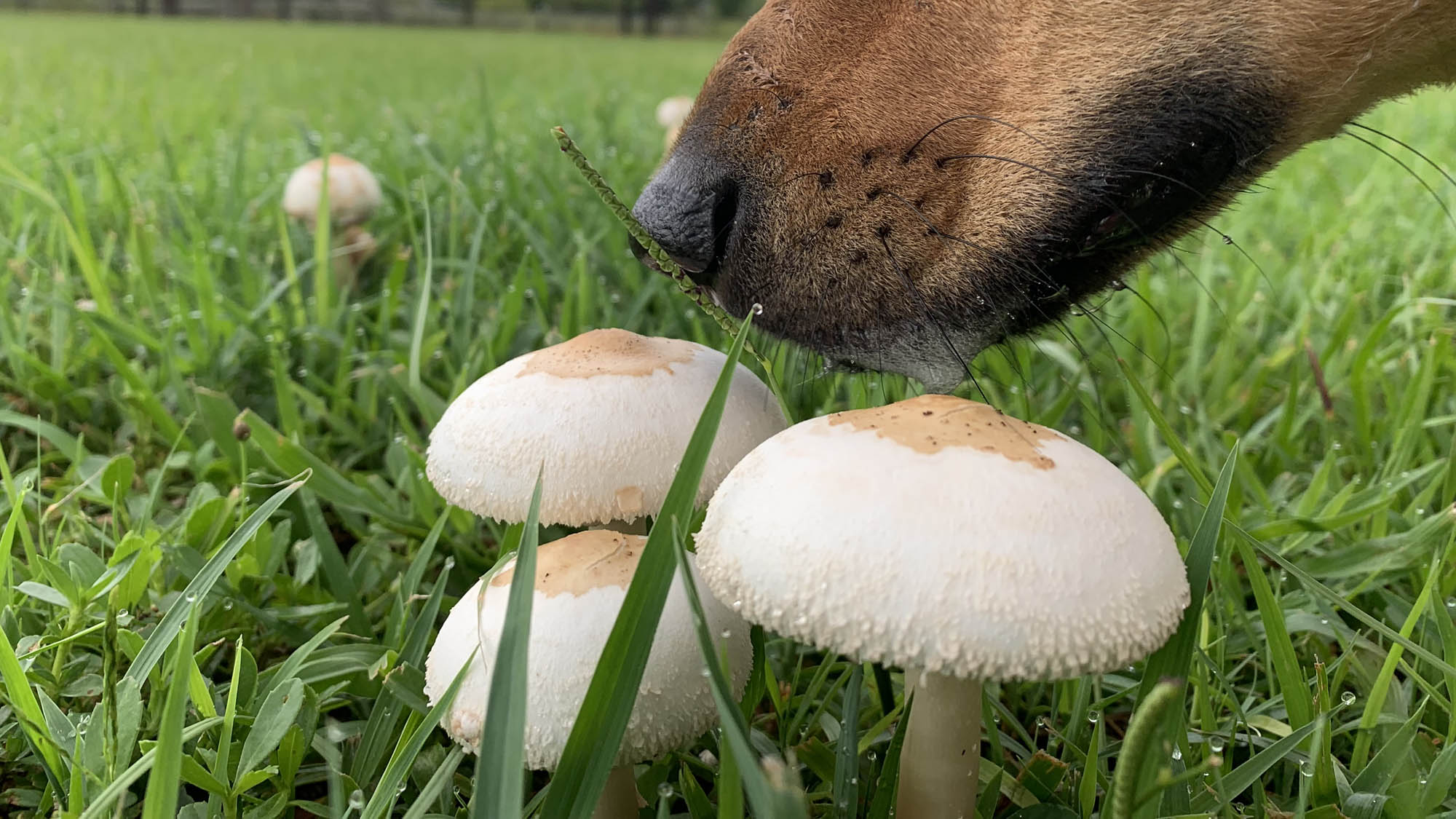
Image Source: homegrown.extension.ncsu.edu
The Mystery of Backyard Toadstools
Seeing lawn mushrooms or backyard toadstools can be puzzling. These fascinating organisms are the fruiting bodies of fungi that live underground. They are a natural part of your yard’s ecosystem, working to break down organic matter.
What Causes Mushrooms to Appear?
Mushrooms sprout when certain conditions are met. Think of the underground fungus as the plant and the mushroom as the flower. The “flower” appears when the underground “plant” feels conditions are right for spreading its spores.
Key Factors for Mushroom Growth
Several elements contribute to the appearance of yard fungus:
- Moisture: Fungi need water to thrive and reproduce. Heavy rains, overwatering, or poor drainage create ideal damp conditions.
- Organic Matter: Fungi are decomposers. They feed on dead organic material in the soil, such as fallen leaves, decaying wood, thatch (dead grass clippings), and even animal droppings. The richer the organic material, the more food for the fungi.
- Shade and Humidity: Many fungi prefer shady, humid environments. Areas under trees, in dense foliage, or where grass is thin often become havens for garden mushrooms.
- Soil Conditions: Certain soil conditions can encourage mushroom growth. Compacted soil, especially in lawns that are frequently walked on, can hinder water drainage, creating damp pockets. Also, soil with a high pH (alkaline) or a low pH (acidic) can sometimes favor specific fungal species.
- Temperature: While less critical than moisture and food, a moderate temperature range is also important for fungal activity.
The Life Cycle of a Mushroom
To truly grasp why you have mushrooms, it’s helpful to peek into their life cycle. This cycle is driven by mushroom spore dispersal.
- Spores: Mushrooms produce tiny reproductive units called spores. These are like seeds for fungi. They are so small they can be carried by wind, water, insects, or even animals.
- Mycelium: When a spore lands in a suitable environment with moisture and food, it germinates and grows into a network of thread-like filaments called mycelium. This mycelium is the main body of the fungus and lives hidden in the soil or in decaying organic matter.
- Fruiting Body: When conditions are optimal – usually a combination of the right moisture, temperature, and available food – the mycelium produces the visible mushroom. This is the reproductive structure designed to release more spores.
- Spore Release: Once mature, the mushroom releases its spores, continuing the cycle.
This hidden mycelial network can be vast, spreading for feet or even acres underground, unseen until the right conditions trigger the formation of the familiar mushroom shapes.
Common Causes of Mushrooms in Your Yard
Let’s break down the most frequent reasons you might be seeing these fungi.
1. Recent Rainfall or Increased Watering
This is perhaps the most common trigger. A period of heavy rain or consistent, heavy watering can saturate the soil, providing the essential moisture that fungi need to activate their underground mycelium and produce fruiting bodies.
2. Decaying Organic Matter
Your yard is a natural compost bin. Fungi are nature’s recyclers, breaking down:
- Tree Stumps and Roots: Even small fragments of buried wood are a food source.
- Dead Leaves and Grass Clippings: Accumulated thatch or leaf litter provides a buffet.
- Animal Waste: If pets frequent your yard, their droppings can be an attractant.
- Buried Construction Debris: Old wooden planks or materials can decompose slowly.
If you’ve recently added mulch or compost, this can also contribute, as these materials are rich in organic matter.
3. Soil Compaction and Poor Drainage
When soil becomes compacted, water can’t drain away effectively. This creates persistently damp conditions, perfect for fungi that thrive in moisture-logged environments. Compacted soil also limits air circulation, which some fungi tolerate well.
4. Thatch Buildup in Lawns
Thatch is a layer of dead and living grass stems, roots, and leaves that accumulates between the green grass blades and the soil surface. A thick thatch layer insulates the soil, retains moisture, and provides a food source for fungi, leading to lawn mushrooms.
5. Shady and Damp Areas
Any spot in your yard that stays moist and shaded for extended periods is a prime candidate for mushroom growth. This often includes:
- Areas under dense trees or shrubs.
- North-facing slopes.
- Spots where water tends to collect.
6. Fairy Rings
These are circular or arc-shaped rings of mushrooms. They are caused by a single type of fungus growing outward from a central point. The mycelium consumes the nutrients in the soil as it expands. While visually striking, they often indicate a healthy, albeit possibly compacted or thatchy, lawn.
Mushroom Identification: What Am I Seeing?
Identifying the specific type of mushroom can be challenging and, for safety, should only be done by experienced individuals. However, knowing the general characteristics can help you understand the causes of mushrooms and how to manage them.
Common Types of Yard Mushrooms
Most lawn mushrooms are harmless to your lawn. Some common types you might encounter include:
- Meadow Mushrooms (Agaricus campestris): Similar to store-bought mushrooms, often found in lawns.
- Ink Caps (Coprinus spp.): These turn into a black, inky liquid as they age.
- Psilocybe spp. (Magic Mushrooms): These contain psilocybin and are illegal in many places. They are generally small and brownish. It is crucial to never ingest any wild mushroom unless you are an expert identifier, as many are poisonous.
- Puffballs: Round or pear-shaped, they release spores from an opening when mature.
- Stinkhorns: These have a foul odor to attract flies for spore dispersal and often have a phallic or egg-like shape.
The Danger of Poisonous Mushrooms
While most yard fungus is benign, some species are highly toxic. The biggest risk is accidental ingestion, particularly by pets or children.
When to Be Concerned
- Ingestion: If you suspect a person or pet has eaten a mushroom from your yard, contact a poison control center or veterinarian immediately.
- Abundance: A few mushrooms are normal. A sudden explosion of thousands can indicate a significant underlying issue with your soil or a large amount of decaying organic matter.
- Appearance: While visual identification can be tricky, brightly colored mushrooms or those with very unusual shapes might warrant extra caution, though many colorful mushrooms are harmless and many dangerous ones are plain.
Disclaimer: This guide is for informational purposes only. Mushroom identification is a specialized skill. If you are concerned about the type of mushrooms in your yard, consult a local mycological society or extension office for expert advice. Never rely on online guides or apps alone for identification if there’s any doubt about edibility or toxicity.
Managing and Removing Mushrooms from Your Yard
The good news is that you can often manage or remove lawn mushrooms if they are a nuisance. The best approach depends on your goals: do you want to get rid of them, or just prevent them from appearing?
Strategies for Mushroom Removal
Here are common methods for tackling unwanted garden mushrooms:
1. Physical Removal
- Hand-Picking: The simplest method is to pick the mushrooms as soon as you see them. This prevents them from releasing more spores. Wear gloves if you are concerned about touching them.
- Digging Them Out: For stubborn mushrooms, you can try digging them out, ensuring you remove as much of the stalk and the base as possible.
2. Aeration and Dethatching
- Aeration: This process creates small holes in the soil, improving air circulation and water drainage. This can make the environment less favorable for fungi that prefer compacted, damp conditions.
- Dethatching: Removing the thatch layer from your lawn reduces the food source and moisture retention, discouraging lawn mushrooms.
3. Improving Drainage
- Leveling: Fill in low spots where water collects.
- Soil Amendments: Adding compost or other organic matter can improve the structure of heavy clay soils, promoting better drainage.
- French Drains: For persistent waterlogged areas, installing French drains can be an effective long-term solution.
4. Reducing Organic Matter
- Rake Regularly: Keep your lawn free of fallen leaves and grass clippings.
- Remove Dead Wood: Clear away any dead trees, stumps, or fallen branches.
- Proper Watering: Avoid overwatering. Water deeply but less frequently to encourage deeper root growth and allow the soil surface to dry out between watering sessions.
5. Chemical Treatments (Use with Caution)
While not always necessary or recommended, some chemical fungicides can be used to control fungal growth.
- Fungicides: These are available at garden centers. Always follow the product instructions carefully regarding application rates, timing, and safety precautions. Fungicides typically kill the visible mushrooms but don’t eliminate the underground mycelium. They may also harm beneficial soil organisms.
6. Let Them Be
In many cases, especially if the mushrooms are not poisonous and not causing harm, the best approach is to leave them. They are a natural part of a healthy ecosystem and will disappear on their own as conditions change.
Preventing Future Mushroom Growth
Prevention is often easier than removal. By maintaining a healthy lawn and garden, you can minimize the chances of backyard toadstools.
- Healthy Turf: A dense, healthy lawn with strong roots is more resistant to fungal problems. Proper mowing, watering, and fertilization contribute to this.
- Proper Watering Practices: Water your lawn in the morning so the grass has time to dry before evening. Avoid overwatering.
- Regular Aeration and Dethatching: Keep your soil healthy and free from excess thatch.
- Clear Debris: Remove leaves, grass clippings, and any decaying wood promptly.
- Sunlight: In heavily shaded areas, consider pruning trees or shrubs to allow more sunlight to reach the ground.
Understanding Soil Conditions and Mushroom Growth
The health of your soil is intrinsically linked to the presence of yard fungus. Fungi are indicators of the life within your soil.
Soil pH
Most turf grasses prefer a slightly acidic to neutral pH (6.0 to 7.0). If your soil is too acidic or too alkaline, it can favor certain fungal species. Testing your soil pH is a good first step in diagnosing persistent mushroom problems. You can get a soil test kit from a garden center or your local agricultural extension office.
Soil Structure and Compaction
Compacted soil has poor structure. It’s dense, with little pore space for air and water. This leads to:
- Poor Drainage: Water sits on the surface or in pockets within the soil, creating ideal mushroom conditions.
- Reduced Airflow: Fungi often thrive in low-oxygen environments.
Table 1: Soil Conditions Favoring Mushroom Growth
| Soil Condition | Why it Encourages Mushrooms |
|---|---|
| High Moisture | Essential for fungal cell growth and spore germination. |
| Abundant Organic Matter | Provides food and energy for the underground mycelium. |
| Compaction | Restricts drainage and aeration, creating damp, stagnant areas. |
| Poor Drainage | Waterlogged soil is a prime habitat for many fungi. |
| Shade & Humidity | Protects fungi from drying out and provides a stable environment. |
| Thatch Buildup | Acts as a food source and moisture reservoir. |
The Role of Mycelium in Soil Health
While visible mushrooms can be a nuisance, the underground mycelium is actually beneficial. It plays a crucial role in:
- Decomposition: Breaking down dead organic matter, releasing nutrients back into the soil.
- Soil Structure: Mycelial threads bind soil particles together, improving soil aggregation and aeration.
- Nutrient Cycling: Mycelium can help plants access nutrients that would otherwise be unavailable.
So, the presence of fungal growth in your yard doesn’t automatically mean something is wrong. It often indicates a soil that is alive and functioning. The challenge is when the fruiting bodies become problematic.
Frequently Asked Questions (FAQ)
Q1: Are mushrooms in my yard poisonous?
A1: Many lawn mushrooms are not poisonous, but some can be highly toxic. It’s impossible to tell without expert mushroom identification. Never eat wild mushrooms from your yard. Always keep pets and children away from them.
Q2: Will mushrooms damage my lawn?
A2: Generally, the mushrooms themselves won’t damage your lawn. However, the underlying causes of mushrooms – such as poor drainage, excessive thatch, or decaying wood – can indicate conditions that might stress your grass. Fairy rings, which are a type of fungal growth, can sometimes create a dead or discolored ring of grass around them.
Q3: How can I get rid of mushrooms permanently?
A3: It’s very difficult to permanently eliminate all fungal growth because mushroom spores are everywhere, and the mycelium is often hidden underground. The best approach is to manage the soil conditions that encourage them. By addressing poor drainage, reducing organic matter, aerating, and dethatching, you can significantly reduce the frequency of backyard toadstools.
Q4: Can I use salt to kill mushrooms?
A4: Using salt might kill the visible mushrooms, but it can also harm your grass and soil. It’s not a recommended long-term solution for controlling yard fungus.
Q5: What if I have mushroom spores on my clothes or shoes?
A5: Mushroom spore dispersal happens naturally. Spores are microscopic and airborne. If you’ve been in an area with many mushrooms, it’s a good idea to brush off your clothes and shoes, but it’s unlikely to cause any harm.
Q6: Is there a specific time of year when mushrooms appear?
A6: Mushrooms typically appear in the cooler, wetter months of autumn and spring. However, they can pop up anytime conditions are favorable – especially after prolonged periods of rain, even in summer or winter if temperatures are mild enough.
Q7: My neighbor has mushrooms, do I need to worry?
A7: Mushroom spores travel easily. If your neighbor has a lot of lawn mushrooms, especially if they are in an area with similar soil conditions, it’s possible you might see them too. It doesn’t necessarily mean there’s a problem with your yard, but it highlights the importance of good lawn care practices for everyone.
By following this guide, you should have a clearer picture of why mushrooms appear in your yard and how to manage them effectively. Remember, often they are just a sign of a healthy, functioning soil ecosystem!