
So, you’ve noticed an abundance of feathered friends gracing your yard, and you’re wondering why. The simple answer is that your yard likely provides a welcoming combination of food, water, shelter, and nesting opportunities, making it an attractive habitat for a variety of local bird species.
The presence of numerous birds in your yard isn’t just a happy coincidence; it’s a testament to your outdoor space’s ability to meet the fundamental needs of avian life. Birds are constantly searching for safe places to eat, drink, rest, and raise their young. When your yard offers these essentials in abundance, you become a popular avian destination.
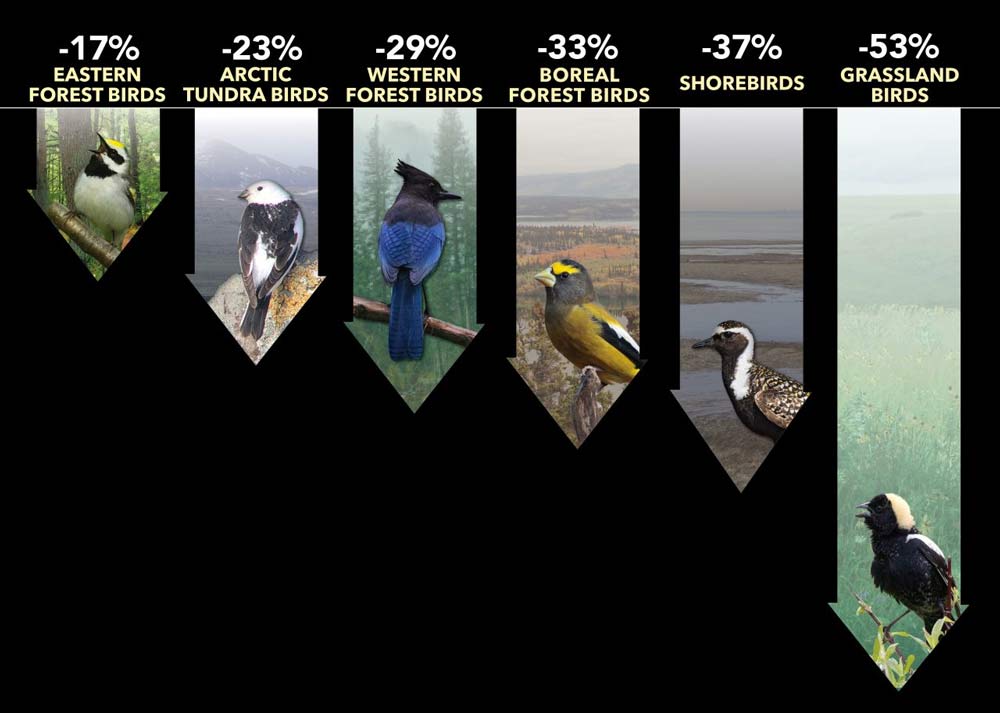
Image Source: www.allaboutbirds.org
Delving Deeper into the Reasons for Bird Presence
Let’s explore the key elements that draw birds to your outdoor haven and the fascinating bird behavior you might be witnessing.
1. The Allure of Abundant Food Sources for Birds
Birds, like all living creatures, need to eat. Your yard’s ability to provide consistent and diverse food sources for birds is a primary driver of their frequent visits. This can come in several forms:
-
Natural Food Sources:
- Seeds and Grains: Many birds, especially finches, sparrows, and juncos, are seed-eaters. Native plants that produce seeds, such as sunflowers, coneflowers, and various grasses, are magnets for these species.
- Insects and Worms: Insectivorous birds like robins, wrens, and swallows rely on a steady supply of insects. A healthy yard with plenty of soil, leaf litter, and flowering plants that attract insects provides them with a buffet. Grubs, caterpillars, and spiders are all prime targets.
- Berries and Fruits: When the weather cools or natural food becomes scarce, birds turn to berries and fruits. Serviceberries, holly, dogwoods, and crabapples are excellent choices for attracting a wide array of fruit-eating birds.
- Nectar: Hummingbirds and orioles are drawn to the sweet nectar of flowers. Brightly colored, tubular flowers are particularly appealing to them.
-
Artificial Food Sources (Bird Feeders):
- Seed Feeders: These are the most common type. Black oil sunflower seeds are a universal favorite, attracting cardinals, blue jays, chickadees, and many others. Mixed seed blends can also offer variety. Nyjer (thistle) seed is specifically for finches.
- Suet Feeders: Suet is high in fat and energy, making it ideal for woodpeckers, nuthatches, and chickadees, especially during colder months.
- Nectar Feeders: These are essential for attracting hummingbirds. The feeders dispense a simple sugar-water solution (typically 4 parts water to 1 part sugar, boiled and cooled).
2. The Vital Role of Water: Bird Baths and Beyond
Water is as crucial as food for birds. It’s not only for drinking but also for bathing and preening, which helps them maintain their feathers and stay healthy.
-
Bird Baths: A clean, shallow bird bath is a powerful attractant.
- Depth: Birds prefer shallow water, ideally no more than 1-2 inches deep. A sloped bottom is even better, allowing birds of all sizes to find a comfortable depth.
- Cleanliness: Regular cleaning of bird baths is essential to prevent the spread of diseases. Algae and bacteria can quickly build up in stagnant water.
- Placement: Placing a bird bath near cover, like shrubs or trees, provides birds with a sense of security. A constant trickle or drip from a mister or dripper can also make a bird bath more appealing, mimicking natural water sources.
- Winter Usage: In colder climates, heated bird baths can provide a vital water source year-round, especially when natural water sources freeze over.
-
Other Water Sources: Natural sources like ponds, streams, or even puddles after rain can also contribute to your yard’s appeal.
3. The Importance of Shelter and Nesting Sites
Birds need safe places to rest, escape predators, and raise their young. A yard that offers good habitat for birds, including effective nesting sites, will naturally attract more species.
-
Cover and Perching Spots:
- Trees and Shrubs: Dense foliage provides protection from predators and harsh weather. Birds use branches for perching, singing, and roosting. A variety of tree and shrub heights and types offers diverse opportunities.
- Evergreen Trees: These offer year-round cover, which is particularly valuable in winter.
- Vines: Dense vines on fences or trellises can offer shelter and nesting opportunities.
-
Nesting Sites:
- Natural Nests: Many birds build their own nests in trees, shrubs, or on the ground. The presence of suitable branches, cavities, and dense vegetation supports natural nesting.
- Birdhouses (Nest Boxes): Providing artificial nesting sites like birdhouses can be very effective, especially for species that readily use cavities, such as bluebirds, wrens, and chickadees.
- Design: Different species have specific requirements for the size of the entrance hole, the interior dimensions of the box, and ventilation. Researching the needs of your local birds is key.
- Placement: Birdhouses should be mounted on poles or trees in relatively open areas but with nearby perching spots. Avoid placing them too close to feeders or bird baths, as the activity can sometimes disturb nesting birds.
- Nesting Materials: Some birds also appreciate access to nesting materials. Offering strands of pet fur (ensure it’s free of pesticides and fleas), short lengths of natural fiber string, or even moss can be helpful.
4. The Role of Bird-Attracting Plants
Incorporating bird-attracting plants into your landscaping is one of the most effective and sustainable ways to create a bird-friendly yard. These plants provide food, shelter, and nesting materials.
-
Categorizing Bird-Attracting Plants:
- Seed-Producing Plants:
- Sunflowers (Helianthus annuus)
- Coneflowers (Echinacea spp.)
- Black-Eyed Susans (Rudbeckia hirta)
- Grasses (various species like switchgrass, little bluestem)
- Berry-Producing Plants:
- Serviceberries (Amelanchier spp.)
- Holly (Ilex spp.)
- Dogwood (Cornus spp.)
- Viburnum (Viburnum spp.)
- Elderberry (Sambucus spp.)
- Nectar-Producing Plants:
- Salvia (Salvia spp.)
- Bee Balm (Monarda spp.)
- Trumpet Vine (Campsis radicans)
- Columbine (Aquilegia spp.)
- Insect-Attracting Plants: Most flowering plants that attract pollinators also attract insects that birds eat. Examples include:
- Milkweed (Asclepias spp.) – crucial for Monarch butterflies and their larvae.
- Goldenrod (Solidago spp.)
- Asters (Symphyotrichum spp.)
- Seed-Producing Plants:
-
Native Plants are Key: Prioritizing native plants is crucial. They are best adapted to your local climate and soil conditions and are the most valuable food and habitat for native birds and insects. Non-native or invasive plants can disrupt the local ecosystem.
5. Seasonal Changes and Bird Migration Patterns
The number of birds in your yard can fluctuate significantly depending on the season, influenced by bird migration patterns.
- Spring Migration: As winter ends, many birds that spent the colder months in warmer climates begin their journey north. Your yard might become a welcome refueling stop. Migratory birds often seek out abundant food and water sources to prepare for the rigors of breeding or to continue their journey.
- Summer Breeding Season: During the summer, your yard may host resident birds and those that have migrated to breed. You might observe pairs of birds foraging for their young, building nests, or defending territories. The peak abundance of insects during summer is a major draw for insectivorous species.
- Fall Migration: As days shorten and temperatures drop, many birds begin their southward migration. Again, your yard can serve as a vital stopover point, offering sustenance and rest.
- Winter Residents: Some birds stay in your area year-round. These resident species often rely more heavily on feeders and readily available natural food sources like seeds and berries during the winter months when insects are scarce and water can freeze.
6. Why Are There So Many Different Birds? Diversity of Appeal
The variety of bird species you see is often due to the diversity of resources you offer. Different birds have different dietary needs, habitat preferences, and nesting habits.
- Seed Eaters: Finches, sparrows, grosbeaks, and chickadees are attracted by seeds.
- Insectivores: Robins, wrens, warblers, and swallows look for insects and worms.
- Frugivores (Fruit Eaters): Orioles, waxwings, and some thrushes enjoy berries.
- Nectar Feeders: Hummingbirds and orioles are drawn to nectar.
- Cavity Nesters: Bluebirds, chickadees, and tree swallows might use birdhouses.
By offering a mix of bird feeders, bird baths, bird-attracting plants, and suitable nesting sites, you cater to the needs of a broader spectrum of local bird species, leading to a richer and more diverse avian population in your yard.
Observing and Interpreting Bird Behavior
The activity in your yard also offers clues about bird life. Witnessing their bird behavior can be incredibly rewarding.
- Foraging: You’ll see birds pecking at feeders, probing the ground for worms, or gleaning insects from leaves and branches.
- Territorial Defense: During the breeding season, males may chase off rivals or predators to protect their territory and mates.
- Courtship Displays: Birds engage in elaborate rituals to attract mates, such as singing, dancing, or presenting food.
- Parental Care: Watching parents feed and protect their young is a fascinating aspect of observing bird behavior.
Factors Enhancing Bird Abundance
Beyond the core needs, certain practices can significantly increase the number of birds visiting your yard.
Providing Essential Resources Consistently
- Year-Round Feeding: While feeders are especially important in winter, keeping them filled throughout the year provides a reliable food source that birds come to depend on.
- Water Availability: Ensuring a clean water source is accessible in all seasons, especially during dry spells or winter freezes, makes your yard a critical resource.
Creating a Safe Haven
- Predator Protection: A yard with plenty of cover – dense shrubs, trees, and even thorny bushes – helps birds escape predators like cats and hawks. Avoid placing feeders or baths in areas too exposed.
- Minimizing Hazards:
- Window Collisions: Birds often collide with windows. Using window decals, screens, or UV-reflective tape can reduce these accidents.
- Pesticides and Herbicides: Avoid using chemicals in your yard. Pesticides kill insects that birds eat, and herbicides reduce the diversity of plants that provide food and shelter. Opt for organic gardening practices.
- Outdoor Cats: Domestic cats are a significant threat to bird populations. Keeping cats indoors or in secure enclosures protects visiting birds.
The Impact of Your Local Environment
- Proximity to Natural Habitats: Yards located near parks, forests, or wetlands often have a higher diversity and abundance of birds, as these areas serve as larger sources of food and shelter.
- Connectivity: A yard that is part of a larger network of green spaces or has corridors of trees and shrubs connecting to other natural areas is more appealing to birds.
Common Questions About Yard Birds
Here are some frequently asked questions about the birds you see:
Q: Why do I see so many different types of birds?
A: Different bird species have varied preferences for food, water, shelter, and nesting sites. By providing a diverse range of resources – from seed feeders to berry bushes and water sources – you cater to a wider array of avian needs, attracting a greater variety of local bird species.
Q: Are feeders the only reason birds are in my yard?
A: No, while bird feeders are a significant attractant, they are just one piece of the puzzle. Food sources for birds also come naturally from plants and insects. Crucially, bird baths for water, nesting sites for raising young, and protective cover are equally important for establishing a consistent bird presence.
Q: What should I do if I see a sick bird at my feeder?
A: If you notice a bird exhibiting signs of illness (lethargy, ruffled feathers, discharge from eyes or beak), it’s best to temporarily remove feeders and clean them thoroughly with a diluted bleach solution (1 part bleach to 9 parts water) and rinse well. Allow them to dry completely before refilling. This helps prevent the spread of diseases.
Q: When is the best time to put out bird feeders?
A: You can put out bird feeders year-round. While they are particularly helpful during winter when natural food is scarce, birds can benefit from supplemental feeding in spring as they prepare to breed, during summer for their young, and in fall as they migrate.
Q: Can I attract specific bird species?
A: Yes! By researching the dietary preferences, preferred bird-attracting plants, and nesting sites of specific species, you can tailor your yard’s offerings to attract them. For instance, planting nectar-rich flowers will attract hummingbirds, while providing birdhouses designed for bluebirds can draw them to your yard.
Q: Is it normal for birds to be aggressive at feeders?
A: Yes, some bird behavior can appear aggressive, especially at feeders when resources are limited. Birds may chase each other away to secure food. Providing multiple feeders spread out can help reduce competition and squabbles.
Q: How do I encourage birds to nest in my yard?
A: To encourage nesting, provide safe nesting sites such as birdhouses, trees, and shrubs with dense foliage. Also, ensure a consistent supply of water and natural food sources for birds, as parents need to feed their young. Avoid using pesticides, as these can harm young birds.
Q: What are bird migration patterns and how do they affect my yard?
A: Bird migration patterns refer to the seasonal journeys birds take between their breeding and wintering grounds. During migration, your yard can become a vital stopover point, offering much-needed food and rest for weary travelers. This means you might see different species or larger numbers of birds at certain times of the year.
In conclusion, a yard bustling with birds is a healthy, vibrant ecosystem in miniature. By providing the essential elements of food, water, and shelter, you are creating a valuable habitat for birds, contributing to their survival, and enriching your own life with the wonder of nature.