
Your lawn mower won’t start, and you’re wondering why. Several common issues can prevent a lawn mower from starting, including a lack of fuel, a fouled spark plug, a blocked fuel line, or a malfunctioning carburetor. This guide will help you diagnose and fix these problems.
A lawn mower that won’t crank or start can be a frustrating experience, especially when your lawn is growing out of control. Whether you have a gas mower won’t start or your power mower issues are keeping it from turning over, this comprehensive troubleshooting guide will walk you through the most common reasons and how to fix them. We’ll cover everything from simple checks to more involved lawnmower maintenance.
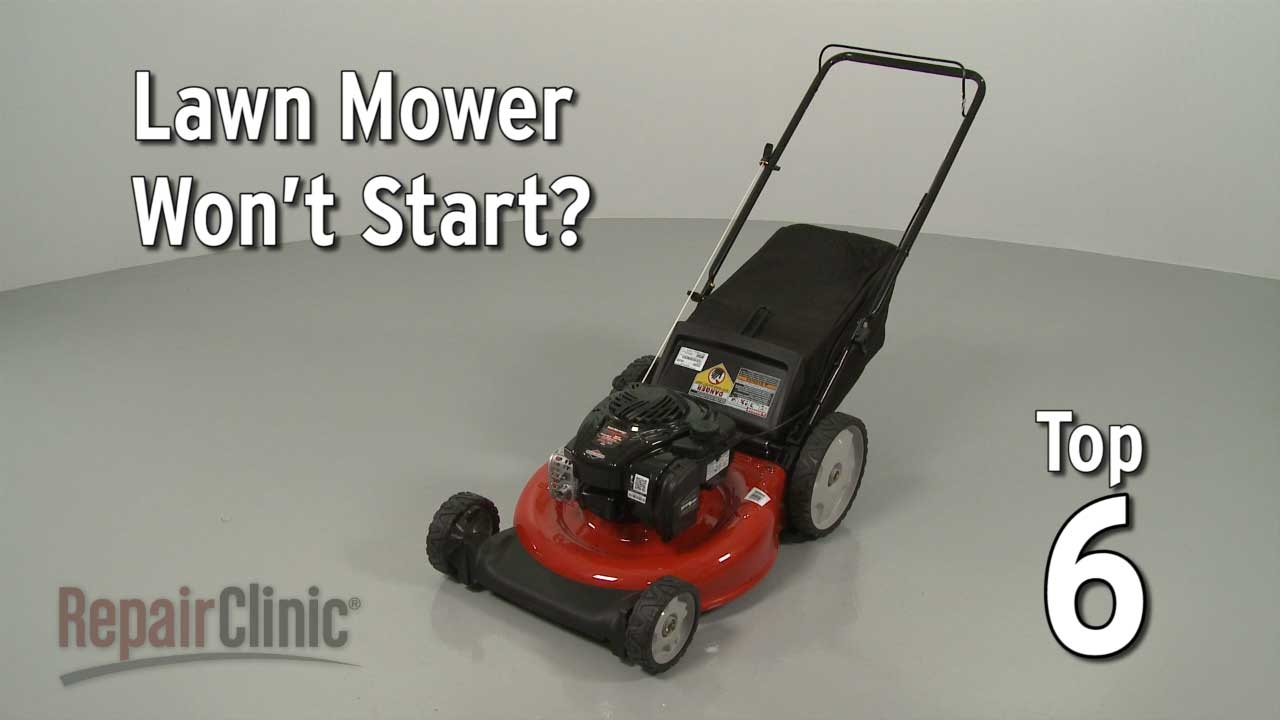
Image Source: i.ytimg.com
Common Reasons Your Lawn Mower Won’t Start
When your engine won’t start, it’s usually due to a few key factors: fuel, air, or spark. If any of these essential elements are missing or compromised, your mower will stubbornly refuse to roar to life. Let’s break down the most frequent culprits.
Fuel System Woes: The Lifeblood of Your Mower
Your lawn mower needs clean, fresh fuel to run. If the fuel system is compromised, the engine won’t fire.
Is There Enough Fuel?
This sounds obvious, but it’s the most common oversight.
- Check the Fuel Tank: Ensure the fuel tank isn’t empty. Sometimes, the fuel gauge can be misleading, or you might have simply forgotten to refill it.
Stale Fuel: A Silent Killer
Gasoline degrades over time, especially if it contains ethanol. Old gas can cause starting problems.
- How Old is Too Old? Gasoline typically starts to lose its potency after 30 days, particularly when stored in a mower.
- Ethanol’s Impact: Ethanol attracts moisture, which can lead to corrosion in your fuel system and make the fuel unusable.
- Solution: Drain the old fuel and replace it with fresh gasoline. You can use a fuel stabilizer to help preserve gasoline if you don’t plan on using the mower for a while.
Fuel Lines: The Mower’s Arteries
These lines carry fuel from the tank to the engine. Blockages or kinks can stop the flow.
- Inspect for Kinks or Damage: Look for any obvious bends that might restrict fuel flow or signs of wear and tear.
- Blockages: Debris can get lodged in the fuel line. You might need to disconnect the fuel line (with the engine off and cool) and check for blockages. Be prepared for a small amount of fuel to drain out.
The Fuel Filter: A Crucial Gatekeeper
The fuel filter removes impurities from the gasoline before it reaches the carburetor.
- Signs of a Clogged Filter: If the filter is clogged, it restricts fuel flow.
- Replacement: Fuel filters are inexpensive and relatively easy to replace. Consult your mower’s manual for the exact location and part number.
The Carburetor: The Engine’s Mixer
The carburetor mixes fuel and air in the correct ratio for combustion. A dirty or clogged carburetor is a very common reason for starting problems.
- What Causes Carburetor Issues? Stale fuel, water in the fuel, or dirt and debris can clog the small jets within the carburetor.
- Cleaning the Carburetor: This can be a bit more involved. You might be able to clean the main jet and float bowl without removing the entire carburetor. For a more thorough cleaning, you may need to remove it.
- Steps (General):
- Turn off the fuel supply.
- Disconnect the fuel line from the carburetor.
- Remove the float bowl (usually one screw or bolt).
- Clean the bowl and float.
- Use carburetor cleaner spray to clean the jets and passages.
- Reassemble carefully.
- Steps (General):
- When to Seek Professional Help: If you’re not comfortable with this process, a local repair shop can clean or rebuild your carburetor.
Air System Issues: Giving the Engine “Breath”
An engine needs air to combust fuel. If the air intake is restricted, it won’t start.
The Air Filter: The Mower’s Lungs
The air filter prevents dirt and debris from entering the engine.
- When Does it Need Cleaning or Replacing? A dirty air filter can choke the engine, preventing it from starting.
- Inspection: Remove the air filter and hold it up to a light. If you can’t see light through it, it’s time for cleaning or replacement.
- Cleaning: Paper filters are usually replaced. Foam filters can often be washed with soap and water, then thoroughly dried and lightly oiled before reinstallation.
- Starting Without an Air Filter: While you can try starting the mower briefly without an air filter to see if it makes a difference, it’s not recommended for extended periods as it can allow debris into the engine.
Spark Plug Problems: The Ignition Source
The spark plug ignites the fuel-air mixture. A faulty spark plug will prevent the engine from firing.
Fouled or Damaged Spark Plug
Over time, spark plugs can become covered in carbon deposits or oil, or the electrode can become damaged.
- Signs of a Bad Spark Plug: If the tip is black and sooty, oily, or if the gap between the electrodes looks too wide or damaged, it needs attention.
- How to Check:
- Locate the spark plug. It’s usually a ceramic-insulated component with a wire attached.
- Use a spark plug wrench to carefully unscrew it.
- Inspect its condition.
- Cleaning or Replacing:
- Cleaning: You can try cleaning a fouled spark plug with a wire brush and carburetor cleaner. Ensure it’s completely dry before reinstalling.
- Replacing: Spark plugs are inexpensive wear-and-tear items. It’s often best to replace them if you suspect a problem. Make sure to get the correct spark plug for your mower model.
- Checking for Spark: You can test if your spark plug is working by removing it from the engine, reconnecting the spark plug wire, and then holding the metal base of the plug against a clean metal part of the engine. Pull the starter cord. You should see a blue spark jump across the gap. Be cautious and keep your fingers away from the plug while doing this.
Incorrect Spark Plug Gap
The gap between the spark plug electrodes needs to be specific for your mower’s engine to ignite the fuel-air mixture effectively.
- Checking the Gap: Use a spark plug gap tool or a feeler gauge. Consult your owner’s manual for the correct gap specification.
- Adjusting the Gap: Gently bend the ground electrode (the curved one) to adjust the gap.
Loose Spark Plug Wire
If the spark plug wire isn’t securely attached to the spark plug, there will be no spark.
- Check the Connection: Ensure the wire boot is pushed firmly onto the spark plug.
Ignition System Issues: Delivering the Spark
Beyond the spark plug itself, the components that create the spark can fail.
Faulty Ignition Coil
The ignition coil generates the high voltage needed for the spark plug.
- Diagnosis: This is a more complex issue and often requires specialized testing equipment. If you’ve checked the spark plug and fuel, and the engine won’t start, a faulty ignition coil is a possibility.
- Replacement: If the coil is indeed bad, it will need to be replaced.
Magneto Issues
The magneto is responsible for generating the electrical current that fires the spark plug.
- How it Works: As the engine’s flywheel spins, magnets on the flywheel pass by a coil of wire, generating electricity.
- Common Problems: The coil can fail, or the kill switch wire can short out against the flywheel, preventing spark.
- Kill Switch Wire: Ensure the kill switch wire is not frayed or touching the flywheel.
Mechanical Problems: Internal Engine Issues
These are less common but can prevent your engine won’t start or crank.
Low Engine Oil
Some modern engines have a low-oil sensor that will prevent them from starting to protect the engine.
- Check the Oil Level: Always check your engine oil level before attempting to start your mower.
- Adding Oil: If low, add the correct type of oil as specified in your owner’s manual.
Seized Engine
This is a more serious mechanical failure where internal engine components have locked up.
- Symptoms: The engine won’t turn over at all, even with significant force on the starter cord or pull starter.
- Causes: Lack of oil, overheating, or internal damage.
- Resolution: This usually requires professional repair or engine replacement.
Valve Issues
Stuck or misaligned valves can prevent the engine from running.
- Diagnosis: This is also a more advanced mechanical problem requiring expert knowledge.
Troubleshooting Steps for a Mower Won’t Crank or Start
Here’s a systematic approach to diagnosing why your lawn mower won’t start.
Step 1: The Obvious Checks (Fuel, Oil, Ignition)
- Fuel Level: Is there fresh fuel in the tank?
- Oil Level: Is the oil at the correct level? (Check your manual for how to do this.)
- Ignition Switch/Safety Features: Is the ignition switch in the “on” position? Are safety handles or levers fully engaged? Most mowers have safety features that prevent starting if certain controls aren’t activated.
Step 2: Checking for Spark
If your mower won’t crank but has fuel and oil, the next step is to check for spark.
- Remove Spark Plug: Use a spark plug wrench.
- Connect Spark Plug Wire: Reattach the wire boot to the spark plug.
- Ground the Spark Plug: Hold the metal body of the spark plug against a clean metal part of the engine block. Do not hold the spark plug with your bare fingers.
- Attempt to Start: Pull the starter cord or turn the ignition key.
-
Observe: Look for a blue spark jumping between the electrodes.
- No Spark: If you don’t see a spark, the problem lies with the ignition system (spark plug, wire, ignition coil, or magneto).
- Weak or Yellow Spark: This indicates a potential issue with the ignition coil or a fouled spark plug.
- Good Spark: If you have a good spark, move on to fuel system checks.
Step 3: Fuel System Checks
If you have spark but the engine still won’t start, the fuel system is the likely culprit.
- Fresh Fuel: Confirm you have fresh gasoline. If in doubt, drain and refill.
- Fuel Lines: Inspect fuel lines for kinks, cracks, or blockages.
- Fuel Filter: Check and replace the fuel filter if it looks dirty or clogged.
-
Carburetor: This is a common problem area.
- Priming: If your mower has a primer bulb, press it 3-5 times (or as directed by your manual) to push fuel into the carburetor.
- Choke: Ensure the choke is properly set for starting a cold engine.
- Carburetor Cleaning: If you suspect a clogged carburetor, attempt a cleaning as described earlier.
Step 4: Air System Checks
An air filter blockage can prevent starting.
- Remove Air Filter: Take out the air filter.
- Inspect: Hold it up to the light.
- Test (Briefly): Try starting the mower for a very short period without the air filter. If it starts, the air filter is definitely the issue. Do not run the mower without an air filter for an extended time.
- Clean or Replace: Clean or replace the air filter.
Step 5: Engine Won’t Turn Over (Cranks But Doesn’t Start)
If your mower cranks but the engine is not firing, it means the starter motor is working, but the combustion process isn’t happening. This points to fuel, spark, or compression issues.
- Spark Plug: Reconfirm you have a good spark.
- Fuel Delivery: Ensure fuel is reaching the carburetor and that the carburetor is functioning correctly (clean and properly adjusted).
- Compression: While harder to test without specialized tools, a lack of compression can prevent starting. This might be due to issues with piston rings, valves, or cylinder head gasket.
Step 6: Mower Won’t Crank At All
If your mower won’t crank, meaning the starter motor doesn’t engage or the pull cord is completely stuck, the problem is usually electrical or mechanical.
- Battery (Electric Start Mowers): Check the battery charge and connections. A dead battery is a common reason a mower won’t crank.
- Safety Switches: Ensure all safety interlocks are properly engaged (e.g., blade brake handle pulled, mower on level ground).
- Starter Motor: The starter motor itself could be faulty.
- Flywheel Key: The flywheel key is a small metal piece that aligns the flywheel with the crankshaft. If it breaks, the ignition timing will be off, and the engine may not start or even turn over properly.
- Mechanical Binding: Internal engine parts might be seized. This is a more serious issue.
Specific Scenarios and Solutions
Let’s look at some common mower won’t start scenarios.
Gas Mower Won’t Start After Winter Storage
- Stale Fuel: This is the most likely culprit. Drain old fuel and refill with fresh gas. Use a fuel stabilizer in the future.
- Carburetor Gunk: Gum and varnish can form in the carburetor from old fuel. Clean the carburetor.
- Spark Plug: A plug that sat in old fuel might be fouled. Replace it.
- Air Filter: Can become clogged with dust or even pests. Clean or replace.
Mower Starts Briefly Then Dies
This often indicates a fuel delivery problem or an issue with how the engine handles heat.
- Fuel Cap Vent: A clogged vent in the fuel cap can create a vacuum, stopping fuel flow. Loosen the cap slightly to see if it runs.
- Carburetor Bowl: The bowl might be empty if the fuel filter or line is restricted, causing the engine to run until the fuel in the bowl is used up.
- Overheating: If the engine starts and dies when it gets warm, it could be overheating due to a dirty cooling fin area or a lean fuel mixture.
Mower Won’t Turn Over (Pull Cord Stuck)
- Hydrolock: If the cylinder fills with fuel or oil, it can prevent the piston from moving, making the pull cord feel stuck. This can happen if the mower was tipped the wrong way. Remove the spark plug and tilt the mower to drain any excess liquid.
- Blade Obstruction: The blade might be jammed with debris. Ensure the blade is free to spin.
- Internal Engine Damage: In severe cases, internal engine failure can cause the engine to seize.
Essential Lawnmower Maintenance for Prevention
Regular lawnmower maintenance is key to preventing starting problems.
Regular Fuel Management
- Use Fresh Fuel: Always use gasoline that is less than a month old.
- Fuel Stabilizer: Add a fuel stabilizer to your gas can if you won’t use the fuel within a month.
- Empty Tank for Storage: For long-term storage (over winter), it’s best to run the engine until it uses up all the fuel in the tank and carburetor. This prevents fuel system gumming.
Spark Plug Care
- Inspect Annually: Check the spark plug at the beginning of each mowing season.
- Replace as Needed: Replace spark plugs every 100 hours of operation or at least every two years.
Air Filter Maintenance
- Check Before Each Use: Briefly inspect the air filter for obvious debris.
- Clean or Replace Regularly: Clean foam filters monthly or as needed. Replace paper filters when they look dirty.
Oil Changes
- Follow Manual: Change the engine oil at the intervals recommended in your owner’s manual (typically every 25-50 hours of operation or annually).
Fuel Filter Replacement
- Annual Replacement: Replace the fuel filter annually or if you suspect fuel delivery issues.
Cleaning
- Keep it Clean: Regularly clean grass clippings and debris from the mower deck, cooling fins, and engine. This helps prevent overheating and makes inspections easier.
Troubleshooting Table: Why Won’t My Mower Turn Over
| Symptom | Possible Cause | Solution |
|---|---|---|
| Mower won’t crank (no engine turnover) | Dead battery (electric start) | Charge or replace battery, check connections. |
| Safety interlock engaged | Ensure all safety levers are properly activated. | |
| Starter motor failure | Test and potentially replace the starter motor. | |
| Flywheel key sheared | Inspect and replace the flywheel key. | |
| Engine seized (mechanical failure) | Requires professional inspection and repair. | |
| Loose or damaged starter solenoid (if applicable) | Check connections and solenoid function. | |
| Mower cranks but engine not firing | No spark | Check spark plug, wire, coil, magneto. |
| No fuel | Check fuel level, fuel lines, fuel filter, carburetor. | |
| Fuel not reaching carburetor | Clear fuel line blockages, check fuel filter. | |
| Clogged carburetor | Clean or replace the carburetor. | |
| Flooded engine | Let it sit for 15-20 minutes, then try starting with choke off. | |
| Low compression | Internal engine issue; requires professional diagnosis. | |
| Incorrect ignition timing (e.g., flywheel key) | Inspect and replace the flywheel key. | |
| Engine starts briefly then dies | Clogged fuel cap vent | Loosen fuel cap, or clean/replace the cap. |
| Fuel filter clogged | Replace fuel filter. | |
| Carburetor issues | Clean the carburetor. | |
| Overheating (dirty cooling fins) | Clean cooling fins and engine area. | |
| Vacuum leak in fuel system | Inspect all fuel line connections for tightness. | |
| Mower starts but runs rough or sputters | Dirty air filter | Clean or replace air filter. |
| Spark plug issues (fouled, incorrect gap) | Clean, gap, or replace spark plug. | |
| Carburetor issues (dirty jets, incorrect mixture) | Clean carburetor, adjust mixture screws (if applicable and you know how). | |
| Stale fuel | Drain and refill with fresh fuel. | |
| Blocked fuel line or filter | Clear blockages, replace filter. |
Frequently Asked Questions (FAQ)
Q: Why won’t my mower turn over after sitting all winter?
A: The most common reason is stale fuel. Gasoline degrades over time, and ethanol in the fuel can attract moisture, leading to gumming and deposits in the carburetor. You likely need to drain the old fuel and replace it with fresh gasoline. It’s also a good time to clean or replace the air filter and check the spark plug.
Q: My mower cranks but won’t start. What should I do?
A: This means your starter is working, but the engine isn’t firing. Focus on the three key elements: fuel, spark, and air.
* Fuel: Ensure you have fresh gas, the fuel lines are clear, and the fuel filter isn’t clogged. The carburetor might be dirty.
* Spark: Check the spark plug for fouling, damage, or a loose connection.
* Air: Make sure the air filter is clean.
Q: Can I run my lawn mower without an air filter?
A: You can run it very briefly (a few seconds) to test if the air filter is the problem, but it is not recommended to run it for any significant period. The air filter protects the engine from dirt, dust, and debris, which can cause severe internal damage if ingested.
Q: How do I know if my spark plug is bad?
A: You can visually inspect the spark plug. If the tip is black and sooty, oily, wet, or if the electrode appears worn or the gap is too wide, it’s likely bad. You can also test for spark as described in the guide. It’s often best to replace spark plugs annually or if you suspect a problem, as they are inexpensive.
Q: What is “hydrolock” and how does it stop my mower from starting?
A: Hydrolock occurs when liquid (usually fuel or oil) enters the cylinder and fills the space where the piston needs to move. Because liquids are incompressible, the piston cannot complete its stroke, and the engine will not turn over. This can happen if you tip your mower incorrectly. To fix it, remove the spark plug, tip the mower to drain any excess liquid, and allow it to air out.
Q: My mower’s pull cord is stuck. What’s wrong?
A: A stuck pull cord usually indicates a mechanical issue. It could be that the engine has seized due to lack of oil or internal damage, the blade is jammed, or the starter mechanism itself has failed. Check for obvious obstructions like grass or debris around the blade. If nothing is visible, it’s likely an internal engine problem requiring professional attention.
By systematically going through these checks, you can effectively troubleshoot why your lawn mower won’t start and get it back to making your lawn look its best. Regular lawnmower maintenance is your best defense against unexpected breakdowns.