
Image Source: housemanservices.com
Why Are There So Many Flies In My Yard? Expert Tips Inside
So, why are there so many flies in your yard? The most common reasons point to readily available food sources and comfortable breeding grounds that your yard might be offering.
Seeing a lot of flies buzzing around your yard can be really annoying. It’s a common problem, and many people wonder what’s causing this fly infestation. Thankfully, there are expert ways to tackle fly control and keep these buzzing pests away. This guide will dive deep into why your yard might be a fly magnet and offer practical solutions to get rid of them.
Identifying the Culprits: Common Yard Pests
Flies are more than just a nuisance; they can spread germs and diseases. Knowing which types of flies are visiting your yard is the first step in effective fly control.
House Flies
House flies (Musca domestica) are the most common offenders. They are attracted to almost anything organic. This includes decaying matter, pet waste, and even food scraps left outdoors. Their life cycle is quick, meaning a small problem can become a big fly infestation fast.
Fruit Flies
Fruit flies (Drosophila melanogaster) are tiny but incredibly persistent. They love ripe or fermenting fruits and vegetables, sugary spills, and moist organic matter. Even a small amount of spilled juice or a forgotten apple core can attract a swarm.
Drain Flies
Often mistaken for small moths, drain flies hang around damp areas, particularly drains. They breed in the grime and organic buildup found in sink drains, shower drains, and even leaky pipes.
Cluster Flies
While they don’t typically breed in yards, cluster flies often seek shelter in homes and outbuildings during cooler months. They may emerge in large numbers in spring or on warm winter days, giving the impression of a yard-wide issue.
Blow Flies (Bottle Flies)
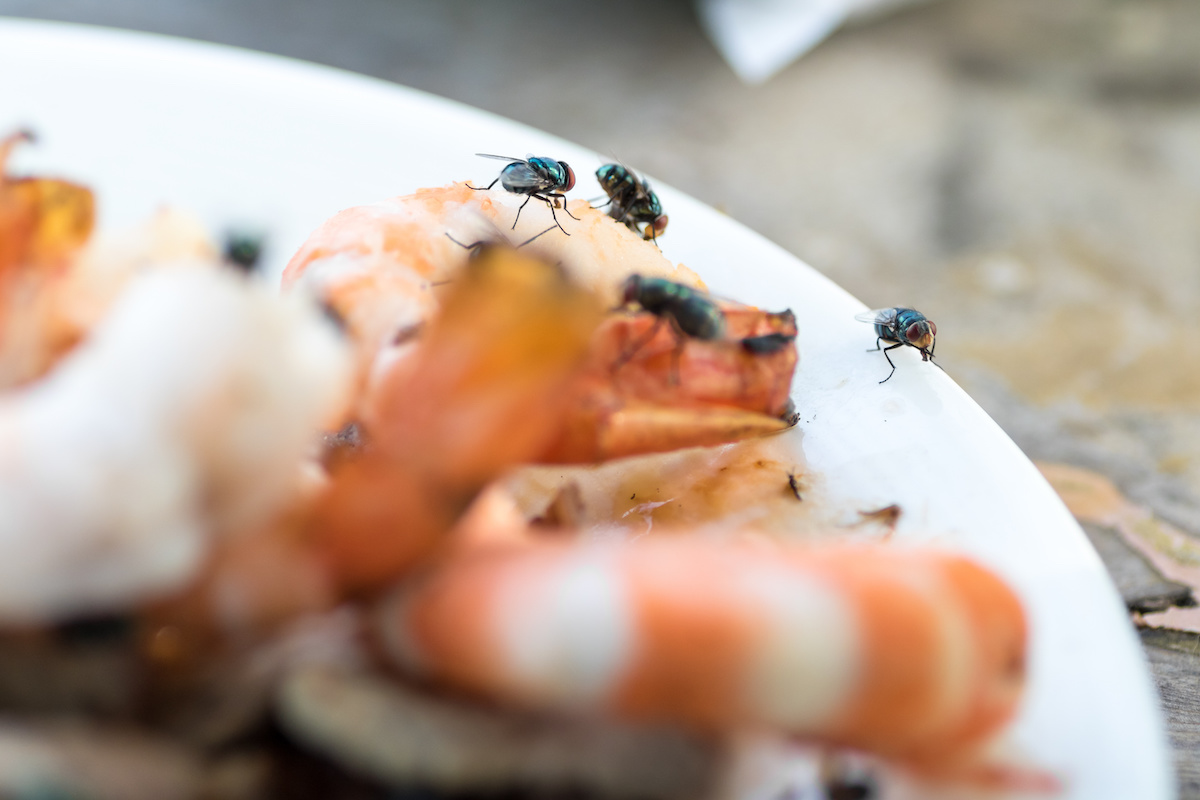
These flies, often metallic blue or green, are attracted to dead animals and decaying organic matter. They lay their eggs in carcasses, which is why finding a dead bird or rodent can lead to a significant increase in blow flies.
Deciphering the Attraction: What’s Attracting Flies?
Flies are driven by their senses, primarily smell. Your yard might be sending out irresistible signals that are attracting flies.
The Allure of Food Sources
Flies need food to survive and reproduce. Any organic material that is left exposed can become a food source.
- Pet Waste: Dog feces and cat litter boxes left outdoors are prime real estate for flies. They are rich in nutrients and moisture, perfect for fly breeding grounds.
- Garbage and Compost: Overflowing trash cans, unsealed garbage bags, and poorly managed compost piles are a fly’s buffet. The decomposition process releases strong odors that flies can detect from a distance.
- Rotting Produce: Fallen fruit from trees, vegetables left in the garden, or even spilled fruit in outdoor eating areas are major attractants for fruit flies and other species.
- Spilled Drinks and Food Residue: Sweet liquids like soda, juice, or beer spilled on patios, decks, or picnic tables can quickly draw flies. Leftover food scraps from barbecues are also a big draw.
The Importance of Moisture and Shelter
Beyond food, flies need specific conditions to breed and thrive.
- Damp Areas: Flies, especially drain flies, need moisture to lay eggs and for their larvae to develop. Leaky hoses, standing water from poor drainage, or consistently damp soil can create breeding sites.
- Organic Debris: Accumulated leaves, grass clippings, mulch, and other decaying plant matter can provide both food and shelter for flies.
- Unmaintained Areas: Overgrown vegetation can create shaded, humid microclimates that are ideal for flies to rest and breed.
Identifying Fly Breeding Grounds in Your Yard
A fly infestation usually starts with one or more fly breeding grounds. Pinpointing these areas is crucial for effective fly control.
The Role of Your Garbage Disposal
Even if you clean your kitchen regularly, your garbage disposal can be a hidden culprit. Food particles can get trapped in the disposal’s pipes, creating a moist, organic environment perfect for fruit flies and house flies to lay eggs.
Outdoor Fly Problems: Beyond the Bin
Your outdoor fly problems extend beyond just the trash can.
- Pet Waste Stations: Areas where pets regularly relieve themselves need diligent cleaning. Leftover feces are a significant attractant.
- Compost Bins: While composting is good for the environment, an unmanaged or improperly sealed compost bin can be a breeding haven. Ensure it’s turned regularly and covered if necessary.
- Fallen Fruit and Vegetation: Don’t let fallen fruit linger under trees. Rake up dead leaves and grass clippings promptly.
- Standing Water: Check for any areas where water collects and remains stagnant, as this can be a breeding site for some types of flies.
Expert Strategies for Effective Fly Control
Now that we know what attracts them and where they breed, let’s look at expert tips for fly control. A multi-pronged approach is usually best.
Sanitation: The First Line of Defense
The most effective way to manage flies is to remove what attracts them.
- Secure Your Trash: Use trash cans with tight-fitting lids. Rinse bins regularly to remove residue. Consider a separate bin for pet waste.
- Clean Up Pet Waste Promptly: This is non-negotiable. Scoop your dog’s waste daily and dispose of it in a sealed bag in the trash.
- Manage Your Compost: If you compost, ensure your bin is well-managed. Bury food scraps under yard waste, and avoid adding meat or dairy products, which attract more pests.
- Clean Outdoor Eating Areas: Wipe down patio furniture, grills, and picnic tables after use. Don’t leave dirty dishes outside.
- Deal with Fallen Fruit: Collect fallen fruit from trees immediately. You might consider bagging fruit trees before they ripen to protect them.
Environmental Modifications to Discourage Flies
Making your yard less appealing to flies can significantly reduce their numbers.
- Improve Drainage: Address any areas of standing water. Ensure gutters are clean and downspouts direct water away from the house and yard.
- Manage Green Waste: Regularly remove fallen leaves, grass clippings, and other organic debris.
- Prune Vegetation: Keep shrubs and trees trimmed. Overgrown plants can provide shelter for flies.
- Seal Entry Points: Inspect your home for cracks and gaps around windows, doors, and foundations. Seal them to prevent flies from entering your home.
Natural Fly Deterrents and Repellents
Many natural remedies can help keep flies away.
- Herbs: Certain herbs have scents that flies dislike. Planting basil, mint, lavender, rosemary, and bay leaves around patios and doorways can act as natural fly deterrents.
- Essential Oils: Oils like citronella, eucalyptus, peppermint, and lavender can be diffused or mixed with water and sprayed around outdoor areas.
- Vinegar Traps: For fruit flies, a small bowl with apple cider vinegar and a drop of dish soap can be effective. The soap breaks the surface tension, causing flies to drown.
- DIY Sprays: A mixture of water, a few drops of dish soap, and essential oils can be sprayed directly on flies or around areas where they congregate.
Physical Barriers and Traps
These methods directly capture or block flies.
- Fly Traps: Various types of fly traps are available, from sticky flypaper to electric zappers. For outdoor use, consider UV light traps or bait traps designed for specific fly species.
- Screens: Ensure all windows and doors have intact screens. Repair any tears immediately.
- Fans: Oscillating fans can create a breeze that makes it difficult for flies to land and feed, especially on patios or near outdoor dining areas.
Chemical Control (Use with Caution)
While often a last resort, chemical solutions can be necessary for severe fly infestations.
- Insecticides: Use insecticides labeled for fly control. Always follow product instructions carefully and apply them in areas where flies are most active, avoiding contact with food preparation surfaces.
- Larvicides: If you identify a specific breeding ground, such as a large accumulation of manure or decaying organic matter, larvicides can be used to kill fly larvae before they mature.
- Professional Pest Control: For persistent or widespread problems, consider hiring a professional pest control service. They have access to more potent treatments and expertise in identifying and eliminating fly breeding grounds.
Long-Term Strategies for a Fly-Free Yard
Preventing flies from becoming a persistent problem requires ongoing vigilance.
Regular Inspections and Maintenance
- Weekly Check-ups: Make it a habit to inspect your yard for potential fly attractants and breeding sites. This includes checking trash cans, compost, pet waste areas, and any standing water.
- Seasonal Clean-ups: Conduct more thorough clean-ups at the beginning of spring and the end of fall to remove accumulated debris that flies might use for overwintering or early-season breeding.
Building a Fly-Resistant Environment
- Strategic Planting: Incorporate those fly deterrent herbs mentioned earlier into your garden beds, especially near patios and entrances.
- Water Management: Ensure your irrigation system isn’t creating perpetually damp areas that could attract flies.
- Enclosed Outdoor Spaces: Consider installing screens on pergolas or creating enclosed patio areas to keep flies out of your relaxation spaces.
Frequently Asked Questions (FAQ)
Q: What is the quickest way to get rid of flies in my yard?
A: The quickest way to see a reduction is by removing all obvious food sources and cleaning up pet waste thoroughly. Setting up fly traps in high-traffic areas can also provide rapid results.
Q: Can I use natural remedies effectively against a large fly infestation?
A: Natural remedies can be very effective for minor issues or as a preventative measure. For a severe fly infestation, they might be less potent than chemical solutions but can still be used in conjunction with other control methods like sanitation and trapping.
Q: My garbage disposal seems to be attracting fruit flies. What can I do?
A: Clean your garbage disposal thoroughly. Run hot water down it regularly. You can also pour a mixture of baking soda and vinegar down the drain, let it sit for a while, and then flush with hot water. Ice cubes can also help dislodge food particles.
Q: What are the best fly deterrents for outdoor seating areas?
A: Citronella candles, essential oil diffusers (using peppermint or eucalyptus oil), strategic planting of fly-repelling herbs like basil and mint, and the use of oscillating fans are all excellent fly deterrents for outdoor seating areas.
Q: How do I stop flies from breeding in my compost bin?
A: Ensure your compost bin is well-managed. Bury food scraps under yard waste, maintain a good balance of “greens” and “browns,” and turn the compost regularly. If the problem persists, consider using a compost bin with a lid or a compostable liner designed to deter pests.
Q: Are there specific times of year when fly problems are worse?
A: Yes, fly populations typically surge during warmer months when temperatures are ideal for their life cycle. Spring and summer are when you are most likely to experience significant outdoor fly problems.
Q: My neighbor’s yard seems messy. Could that be why I have so many flies?
A: Yes, unfortunately, your neighbor’s property can contribute to your outdoor fly problems. If they have unmanaged fly breeding grounds like overflowing trash or pet waste, flies can easily travel to your yard, especially if your yard also offers attractants.
By implementing these expert tips, you can significantly reduce the number of flies in your yard and reclaim your outdoor space. Remember, consistent sanitation and proactive management are key to long-term fly control.