
Can you use soap in your yard to deter ants? Yes, scattering soap in your yard can be an effective and natural way to deter ants and other common garden pests. This method utilizes everyday soap to create barriers and disrupt ant trails, offering a safe alternative to chemical pesticides for your garden protection and lawn care.
For many gardeners, ants are more than just a nuisance; they can be outright pests, farming aphids and damaging delicate plants. While chemical solutions exist, many homeowners are seeking safer, more natural methods for pest control. This is where the humble bar of soap comes into play as a surprisingly effective natural insecticide and bug repellent. Scattering soap in your yard is a time-tested technique to deter ants and can also help discourage slugs and act as a snail deterrent. It’s a practical approach to garden protection that is generally considered safe for plants and can even help discourage rodents.
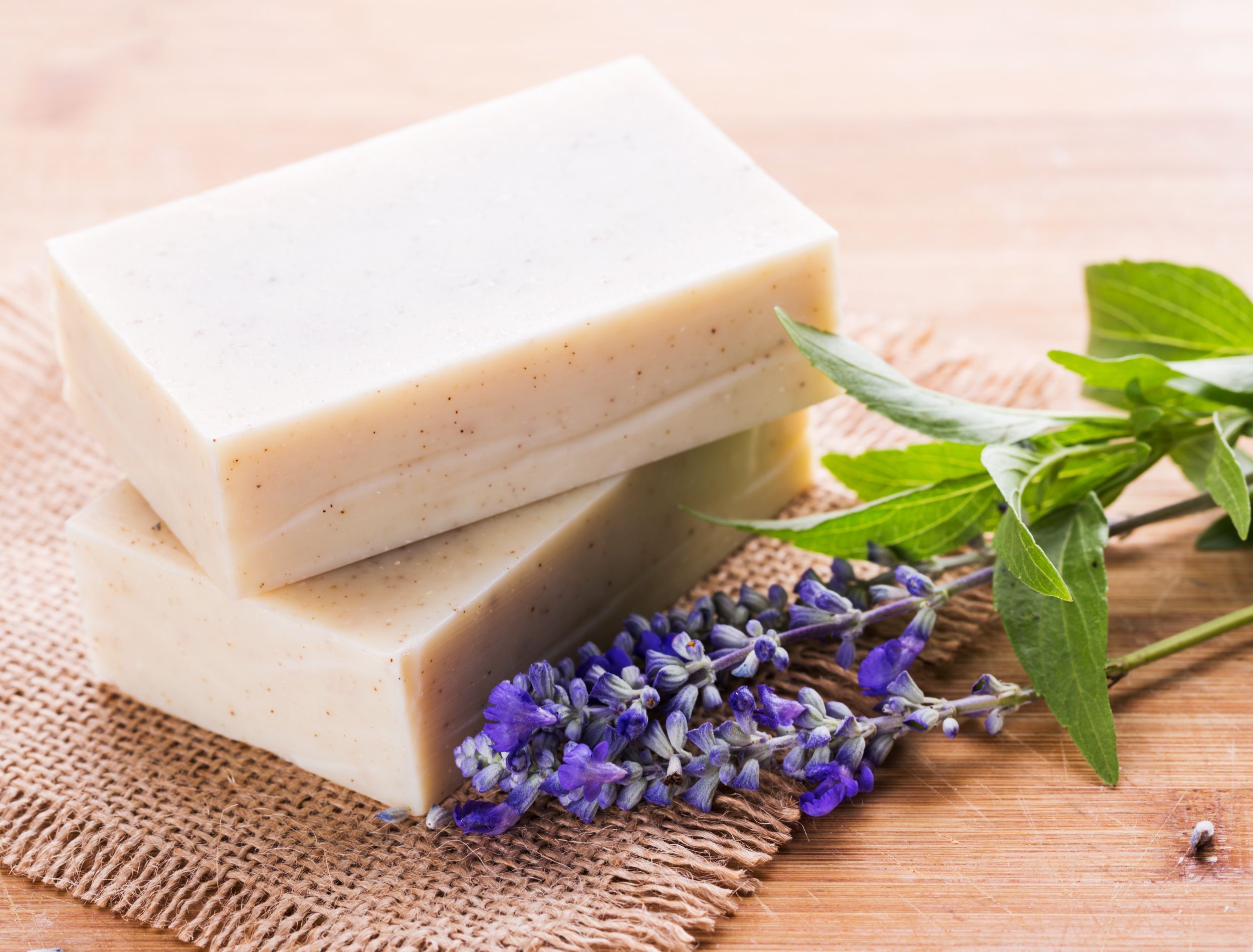
Image Source: static1.backyardbossimages.com
The Science Behind Soap as a Pest Deterrent
At its core, soap works by breaking down the protective outer layer of insects. Most insects, including ants and slugs, have a waxy cuticle that helps them retain moisture and protect themselves from the environment. Soap, particularly those made with natural oils and fatty acids, acts as a surfactant. This means it lowers the surface tension of water. When soap comes into contact with an insect’s waxy cuticle, it can penetrate and dissolve this protective layer.
This disruption can lead to several consequences for the pests:
- Dehydration: Without their waxy coating, insects lose moisture much faster, essentially drying out.
- Smothering: Some theories suggest that soap can clog the spiracles (breathing pores) of insects, causing them to suffocate.
- Trail Disruption: Ants rely heavily on scent trails to navigate and communicate. Soap can effectively break down or mask these pheromone trails, confusing and deterring them from entering certain areas.
How Soap Affects Ants
Ants are particularly susceptible to soap. They rely on chemical signals, or pheromones, to mark paths, warn others of danger, and find food sources. When you scatter soap around ant hills or along their common pathways, you are essentially creating a chemical barrier that disrupts these vital communication lines. The scent of the soap, or the residue left behind, can be overpowering and confusing to ants, making them avoid treated areas. Furthermore, direct contact with soap can damage their exoskeletons, leading to dehydration and death, making it a potent natural insecticide.
Impact on Slugs and Snails
The waxy coating that protects ants also plays a role in deterring slugs and snails. These gastropods also have a protective layer that helps prevent them from drying out. Soap can break down this layer, making them more vulnerable to dehydration. While scattering dry soap might not kill slugs and snails instantly, it can create an unpleasant and irritating barrier that they are unlikely to cross. This makes soap a viable snail deterrent and a way to discourage slugs from reaching your prized plants.
Methods for Scattering Soap in Your Yard
There are several effective ways to use soap as a natural pest deterrent in your garden. The key is to apply it strategically where pests are most active.
Using Bar Soap
One of the simplest methods is to use bar soap.
Dry Bar Soap Application
- Choose the Right Soap: Opt for natural soaps made from plant-based oils (like olive oil, coconut oil, or vegetable oil) and avoid soaps with strong perfumes or harsh chemicals. Unscented bar soap is generally best.
- Grate the Soap: Use a cheese grater to grate several bars of soap. This increases the surface area and makes it easier to scatter.
- Scatter Strategically: Sprinkle the grated soap around the base of plants that are being targeted by ants or slugs. You can also place it around the perimeter of your garden beds or near ant mounds.
- Reapply: Soap can be washed away by rain or sprinklers. You will need to reapply the grated soap after wet weather to maintain its effectiveness.
Soap and Water Spray
A diluted soap solution can also be effective.
- Mix the Solution: Mix 1-2 tablespoons of liquid castile soap (or another natural, mild liquid soap) with a gallon of water in a spray bottle.
- Test on Plants: Before spraying your entire garden, test the solution on a small, inconspicuous part of a plant. Wait 24-48 hours to ensure it doesn’t cause any adverse reactions.
- Apply to Pests: Spray the solution directly onto ants, aphids, or other soft-bodied insects. For slugs and snails, spray the solution around their common entry points or favorite feeding areas.
- Reapply as Needed: This solution also needs to be reapplied periodically, especially after rain.
Soap Flakes
Soap flakes, readily available at many grocery or hardware stores, offer another convenient option.
- Scatter Directly: Simply scatter a handful of soap flakes around ant hills, garden beds, or pathways where pests are a problem.
- Moisture Activation: Soap flakes work best when they come into contact with moisture. They will dissolve slightly and create a sticky, unpleasant barrier for insects.
- Regular Maintenance: Like grated soap, soap flakes will need to be reapplied after rain.
Soap Scraps
Don’t throw away those small soap scraps!
- Dry and Scatter: Allow soap scraps to dry out completely. Then, scatter them around your garden beds or near ant trails.
- Placement: You can also place soap scraps in small containers or directly on pathways to create deterrent barriers.
Benefits of Using Soap for Pest Control
Using soap as a natural insecticide and bug repellent offers several advantages over conventional chemical pesticides.
Eco-Friendly and Safe
One of the biggest draws of using soap is its environmental friendliness.
- Biodegradable: Most natural soaps are biodegradable and break down into harmless components in the environment.
- Reduced Chemical Runoff: Unlike synthetic pesticides, soap solutions are less likely to contaminate soil and water sources, protecting beneficial insects and aquatic life.
- Lower Toxicity: When used as directed, soap is generally considered safe for humans and pets, making it a good choice for families and pet owners concerned about pest control. It’s also generally safe for plants when diluted properly, though always perform a test.
Cost-Effective
Soap is an incredibly affordable solution for pest control. A few bars of soap or a bottle of castile soap can last a long time and provide numerous applications for garden protection. This makes it an accessible option for all gardeners.
Ease of Use
The application methods are simple and require no special equipment. Grating soap or mixing a spray solution is a straightforward process that anyone can do.
Effectiveness Against Various Pests
While primarily known for its ability to deter ants, soap can also be effective against a range of other garden pests:
- Aphids: Direct spraying of diluted soap solution can kill aphids by breaking down their outer layer.
- Spider Mites: Similar to aphids, spider mites can be controlled with direct soap spray.
- Whiteflies: Soap sprays can also help manage whitefly populations.
- Earwigs: While not a primary target, soap barriers can make areas less appealing to earwigs.
- Sowbugs: Soap can act as a deterrent and help discourage slugs and sowbugs.
Important Considerations and Precautions
While soap is a natural and generally safe method, there are a few things to keep in mind to ensure its effectiveness and avoid unintended consequences.
Soap Type Matters
As mentioned, natural soaps made from plant oils are best. Avoid using synthetic detergents or soaps with added moisturizers, degreasers, or harsh chemicals. These can be too strong and potentially harm your plants. Look for pure soap products.
Plant Sensitivity
While soap is generally safe for plants when diluted, some plants can be more sensitive than others. Always perform a patch test on a small area of foliage before spraying your entire plant. Wait 24-48 hours to check for any signs of damage, such as leaf burn or wilting.
Rain and Irrigation
Soap is water-soluble and will be washed away by rain or regular irrigation. You will need to reapply it frequently, especially during wet periods or if you irrigate your garden regularly, to maintain its deterrent effect.
Not a Permanent Solution
Scattering soap is a deterrent and a form of immediate pest control. It’s not a permanent solution. For severe infestations or ongoing problems, you may need to combine soap with other natural insecticide methods or integrated pest management strategies.
Potential for Soil Impact
While natural soaps are biodegradable, excessive use over a prolonged period could potentially alter the soil’s pH or affect beneficial soil organisms. It’s important to use soap judiciously and avoid over-application. Focus on targeted application where pests are observed.
Rodent Deterrence
While soap might discourage rodents from crossing treated areas due to its scent or texture, it’s not a primary rodent repellent. Its effectiveness in this regard is anecdotal and not as scientifically proven as its impact on insects.
Comparing Soap with Other Natural Pest Deterrents
Soap is just one of many natural options available for pest control. Here’s a brief comparison:
| Deterrent Method | Effectiveness Against Ants | Effectiveness Against Slugs/Snails | Safety for Plants | Ease of Use | Cost | Notes |
|---|---|---|---|---|---|---|
| Scattered Soap | High | Moderate | Generally High | High | Low | Needs frequent reapplication after rain. |
| Diatomaceous Earth | High | High | Moderate | Moderate | Medium | Can harm beneficial insects if they come into direct contact. |
| Vinegar Spray | High | Moderate | Low to Moderate | High | Low | Can burn plants if too concentrated or applied too often. |
| Coffee Grounds | Moderate | Moderate | High | High | Low | Can be beneficial for soil, but effectiveness varies. |
| Essential Oils (Peppermint, Tea Tree) | Moderate to High | Low | Moderate | Moderate | Medium | Needs careful dilution; some oils can be toxic to pets if ingested. |
As you can see, scattered soap offers a balanced approach, being highly effective against ants and reasonably effective against slugs and snails, while being generally safe and cost-effective.
Integrating Soap into Your Garden Protection Plan
Using soap effectively as a bug repellent requires a holistic approach to lawn care and garden protection.
Identifying Pest Entry Points
Observe where ants or slugs are entering your garden or causing damage. This might be along pathways, around the base of specific plants, or near water sources. Target your soap application to these areas.
Creating Barriers
Scatter grated soap or soap flakes around the perimeter of garden beds or around individual plants. This creates a physical and chemical barrier that pests are less likely to cross. This is particularly useful to deter ants from reaching vulnerable seedlings or aphid-infested plants.
Direct Application for Infestations
For immediate control of an aphid infestation or a cluster of ants, a diluted soap spray applied directly to the pests can be very effective. This acts as a quick natural insecticide.
Companion Planting
While soap is a deterrent, consider integrating companion planting into your strategy. Plants like mint, basil, and marigolds are known to naturally repel various pests, including ants.
Maintaining Healthy Soil
Healthy soil promotes healthy plants, which are more resilient to pest damage. Incorporate compost and organic matter to improve soil structure and fertility. This supports your overall lawn care and garden protection efforts.
Watering Practices
Avoid overwatering, as excessive moisture can attract slugs and snails. Water in the morning so that the foliage can dry during the day, making it less hospitable to pests.
Frequently Asked Questions (FAQ)
Q1: What kind of soap is best for deterring ants?
A1: Natural bar soaps made from plant-based oils like olive oil, coconut oil, or vegetable oil are best. Unscented varieties are preferred. Avoid soaps with added moisturizers, perfumes, or harsh chemicals, as these can be detrimental to plants.
Q2: How often do I need to reapply soap in the yard?
A2: Soap is water-soluble and can be washed away by rain or irrigation. You will need to reapply it after wet weather or if you water your garden frequently. Check the treated areas regularly and reapply as needed to maintain effectiveness.
Q3: Can I use soap to deter rodents?
A3: While some anecdotal evidence suggests soap might discourage rodents due to its scent, it is not a primary or scientifically proven rodent repellent. Its effectiveness is limited in this regard compared to its impact on insects.
Q4: Will soap hurt my plants?
A4: When used correctly, natural soap is generally safe for plants. However, some plants can be sensitive. It is crucial to perform a patch test on a small area of foliage first. Dilute liquid soap solutions properly (1-2 tablespoons per gallon of water) and avoid spraying during the hottest parts of the day.
Q5: Does soap kill slugs and snails?
A5: Soap can act as a snail deterrent by breaking down their protective slime layer, making them vulnerable to dehydration. While it might not kill them instantly on contact, it makes areas treated with soap unpleasant for them to traverse, helping to discourage slugs.
Q6: Is scattered soap a good long-term solution for pest control?
A6: Scattered soap is an effective deterrent and a good natural insecticide for immediate control or prevention. However, it’s often best used as part of a broader integrated pest management strategy. For persistent problems, consider rotating or combining it with other natural methods for comprehensive garden protection.
Conclusion
Scattering soap in your yard is a remarkably simple, cost-effective, and environmentally friendly way to combat common garden pests like ants and slugs. By understanding how soap disrupts their protective outer layers and navigating their trails, you can implement this natural bug repellent into your lawn care routine. Remember to choose the right type of soap, apply it strategically, and be prepared for reapplication, especially after rain. This method offers a gentle yet effective approach to garden protection, making your yard a less hospitable environment for unwanted visitors while remaining largely safe for plants. It’s a testament to how everyday household items can provide powerful solutions for pest control.