
Mushrooms sprouting in your lawn are a common, though often puzzling, sight. What causes mushrooms to grow in my lawn? Mushrooms grow in lawns primarily due to the presence of decomposing organic matter in the soil, moisture, and favorable temperatures. Can I eat mushrooms from my lawn? It is strongly advised not to eat any mushrooms found in your lawn unless you are an expert mycologist with absolute certainty of their identification and edibility, as many can be toxic.
Seeing these often beautiful, sometimes bizarre, fruiting bodies of fungi on grass can spark curiosity, concern, or even a desire to get rid of them quickly. This guide will delve into the various reasons why mushrooms sprout, explore different types of lawn mushrooms identification, offer solutions for lawn fungi removal, and discuss how to maintain a healthy lawn mushrooms balance.
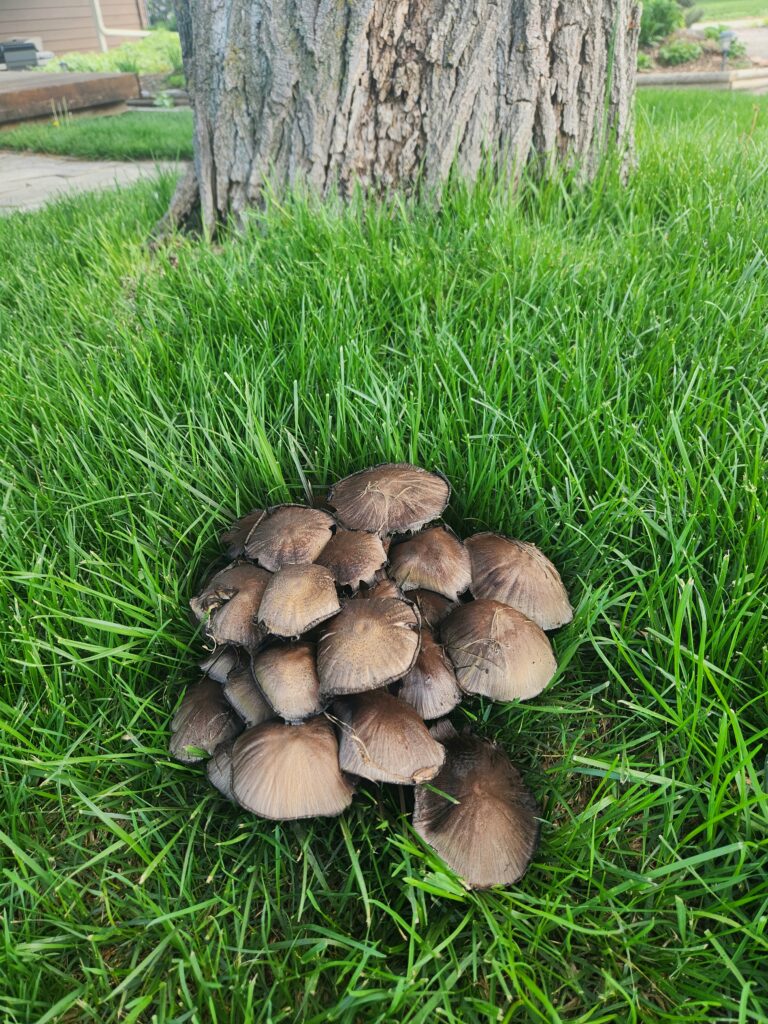
Image Source: organolawn.com
Deciphering the Mushroom Cause on Lawn: The Role of Fungi
Mushrooms are not plants; they are the reproductive structures of fungi. These fungi have a vast network of thread-like structures called mycelium that live unseen beneath the soil surface. When the conditions are right, this mycelium produces mushrooms, which are essentially the “fruit” of the fungus, designed to release spores and propagate.
The Mushroom Lifecycle Lawn: A Hidden World
To comprehend why mushrooms sprout, it’s essential to grasp the mushroom lifecycle lawn.
- Spore Germination: The cycle begins with microscopic spores, often present in the air, soil, or on decaying material. When these spores land on a suitable substrate (like organic matter) and find adequate moisture and temperature, they germinate and grow into mycelium.
- Mycelium Growth: This underground network of hyphae spreads through the soil, feeding on dead or decaying organic matter. This is the primary feeding stage of the fungus.
- Fruiting Body Formation: When environmental conditions are favorable – typically after rain, with consistent moisture and moderate temperatures – the mycelium consolidates and pushes up through the soil to form the visible mushroom. This is the reproductive stage.
- Spore Dispersal: The mature mushroom releases its spores, which are carried by wind, water, or animals to new locations, starting the cycle anew.
Key Factors Driving Mushroom Growth
Several factors contribute to the appearance of mushrooms in your lawn.
- Decomposing Organic Matter: This is the most significant factor. Fungi are nature’s recyclers. They thrive on dead leaves, thatch, old roots, decaying wood, and even animal droppings. The more organic material there is in your soil, the more food available for the fungi.
- Moisture Levels: Damp lawn mushrooms are a common occurrence. Fungi need moisture to grow and produce fruiting bodies. Prolonged periods of rain, over-watering, or poor drainage can create ideal conditions.
- Soil Conditions: The type of soil and its composition play a crucial role. Compacted soil, soils with a high organic content, or soils that retain a lot of moisture are more prone to mushroom growth.
- Shade and Temperature: While some fungi tolerate full sun, many prefer shaded or partially shaded areas. Moderate temperatures, avoiding extreme heat or cold, are also conducive to mushroom development.
- Mycelial Networks: Sometimes, a single large underground mycelial network can produce mushrooms in a circular pattern, known as a “fairy ring.” This indicates a long-established fungal presence.
Fathoming the Reasons for Mushrooms in Garden and Lawn
The reasons for mushrooms in garden and lawns are often interconnected. Let’s break them down:
1. Thriving on Thatch and Organic Debris
Thatch is the layer of dead and living grass shoots, stems, and roots that accumulates between the green grass blades and the soil surface. A healthy lawn naturally produces some thatch, but excessive thatch can become a buffet for fungi. When this layer becomes too thick, it can also impede water and air circulation to the soil, creating a damp environment.
- What is thatch? It’s a spongy layer of organic material.
- Why is it a problem? Too much thatch harbors pests and diseases and provides food for fungi.
2. The Impact of Over-Watering and Poor Drainage
As mentioned, moisture is crucial for fungi. If your lawn is frequently watered, or if it doesn’t drain well after rain, the soil will remain consistently damp. This creates an ideal environment for damp lawn mushrooms.
- Over-watering: Watering your lawn too frequently or for too long can saturate the soil.
- Poor Drainage: If water pools on the surface or the soil is compacted, it won’t drain away effectively, leading to prolonged moisture.
3. Soil Health and Composition
Soil conditions mushrooms thrive in are often characterized by:
- High Organic Content: Rich, fertile soils with lots of decaying material are prime real estate for fungi.
- Compacted Soil: Compacted soil restricts air and water movement, leading to soggy conditions where certain fungi flourish.
- Alkaline Soil: Some types of fungi prefer slightly alkaline soil conditions.
4. Fairy Rings: A Sign of Established Fungi
Fairy rings are circles of darker green grass, or mushrooms, that appear in a lawn. They are caused by the outward growth of a subterranean fungal mycelium. As the mycelium grows, it consumes organic matter in the soil. The outer edge of the ring is where the most active growth and fruiting occur.
- Cause: A single, expanding underground fungal network.
- Appearance: Rings of mushrooms, darker green grass, or even dead patches of grass at the center.
5. Shade and Reduced Air Circulation
Shady areas of the lawn, especially those with dense foliage or other obstructions that limit airflow, tend to retain more moisture and stay cooler. These conditions are perfect for many types of fungi.
Lawn Mushrooms Identification: Knowing What You’re Seeing
While it’s generally not advisable to identify lawn mushrooms for consumption, knowing the common types can help you understand their prevalence.
Common Types of Lawn Mushrooms
- Common Ink Cap (Coprinellus spp.): These small, umbrella-shaped mushrooms often appear in clusters. They are notable for dissolving into an inky liquid as they age. They typically feed on decaying grass and thatch.
- Meadow Mushroom (Agaricus campestris): This is a familiar white or cream-colored mushroom, often found in fields and lawns. It’s related to the button mushrooms you buy in the store, but wild varieties can be difficult to distinguish from toxic look-alikes.
- Puffballs (Lycoperdon spp.): These fungi start as small, round or pear-shaped structures. When mature, they release a cloud of powdery spores when disturbed. Many puffballs are edible when young and white inside, but again, absolute certainty is required.
- Stinkhorns (Phallaceae family): These are perhaps the most unusual and often unwelcome. They have a distinctive, foul odor that attracts insects, which then help disperse their spores. Their appearance can range from phallic shapes to egg-like structures.
- Bird’s Nest Fungi (Nidulariaceae family): These small, cup-shaped mushrooms contain small, egg-like structures called “peridioles,” which are actually packets of spores. They look like tiny bird nests.
| Mushroom Type | Appearance | Common Location | Decomposition Source |
|---|---|---|---|
| Common Ink Cap | Small, umbrella-shaped, dissolves into ink | Clusters in thatch | Grass clippings, thatch |
| Meadow Mushroom | White/cream cap, pink gills turning brown | Open lawns, fields | Decomposing organic matter |
| Puffball | Round, sac-like, releases powdery spores | Open lawns | Decomposing organic matter |
| Stinkhorn | Strange shapes, foul odor | Damp, shaded areas | Decaying wood, organic matter |
| Bird’s Nest Fungi | Small cups with spore packets inside | Mulch, damp soil, wood chips | Decaying wood, organic matter |
Is it a Healthy Lawn Mushroom?
The presence of some mushrooms in a lawn, especially after rain, does not necessarily mean your lawn is unhealthy. In fact, a lawn with a healthy ecosystem, including beneficial fungi, can be a sign of a well-established turf. However, an excessive proliferation of mushrooms, particularly certain types or those accompanied by signs of lawn disease, might indicate underlying issues.
Lawn Fungi Removal and Management Strategies
While complete eradication of fungi is often impossible and undesirable (as many fungi are beneficial), you can manage mushroom growth to a more acceptable level. The goal of lawn fungi removal is to address the conditions that encourage their growth.
Cultural and Cultural Practices
These are the most effective and environmentally friendly ways to manage mushrooms.
1. Aeration and Dethatching
- Aeration: This process involves removing small cores of soil from your lawn to alleviate compaction. It improves air circulation, water penetration, and nutrient movement to the root zone, making the environment less favorable for many types of fungi.
- Dethatching: Removing the thatch layer prevents it from becoming a food source and moisture trap for fungi. This can be done with a power rake or a scarifier. Aim to dethatch when the lawn is actively growing.
2. Proper Watering Techniques
- Water Deeply, Less Frequently: Encourage deep root growth and allow the soil surface to dry out between waterings. This is more beneficial for grass and less so for surface-dwelling fungi.
- Water in the Morning: This allows the grass and soil surface to dry off during the day, reducing the prolonged moisture that fungi love.
- Check Soil Moisture: Use a soil moisture meter or simply probe the soil with a screwdriver to see if watering is actually needed.
3. Improve Drainage
- Address Low Spots: Fill in any depressions where water tends to pool.
- Consider Drainage Systems: For persistent waterlogging, installing French drains or amending the soil with organic matter can improve drainage over time.
4. Manage Organic Debris
- Rake Leaves Promptly: Don’t let leaf litter accumulate and decompose on the lawn.
- Clean Up Clippings (if excessive): While grass clippings can be beneficial as mulch, a thick layer can contribute to thatch and fungal growth. Mulching mowers that finely chop clippings are generally better than those that leave clumps.
- Remove Old Roots or Wood: If you know there’s buried wood or old root systems, excavating them can remove a food source.
5. Adjust Mowing Practices
- Mow at the Correct Height: Mowing too short can stress the grass and create thinner turf, which is more susceptible to fungal problems and retains more surface moisture. Follow recommended mowing heights for your grass type.
- Keep Mower Blades Sharp: Dull blades tear grass, creating entry points for diseases and contributing to decay.
6. Sunlight and Airflow
- Prune Overhanging Branches: If certain areas of your lawn are perpetually shaded and damp due to trees, consider selective pruning to allow more sunlight and air to reach the grass.
Chemical Solutions (Use with Caution)
Chemical fungicides can be used as a last resort, but they often have drawbacks.
- Targeted Application: Fungicides are usually most effective when applied early in the season or at the first sign of problems, targeting the specific fungus.
- Environmental Impact: Broad-spectrum fungicides can kill beneficial soil fungi as well as the problematic ones.
- Temporary Solution: Fungicides address the symptoms (the mushrooms) but not the underlying causes. Without changing the cultural practices, the mushrooms will likely return.
- Consult a Professional: If you consider using chemicals, it’s best to consult a lawn care professional who can identify the specific fungal issue and recommend the safest and most effective treatment.
Physical Removal
- Simply Pick Them: The most straightforward approach is to simply pick the mushrooms and dispose of them. This removes the visible fruiting bodies and their spores. However, this doesn’t eliminate the mycelium, so new mushrooms will likely reappear.
- Avoid Stepping on Them: While some believe stepping on mushrooms spreads spores, simply picking them is sufficient for physical removal.
Creating a Healthy Lawn, Minimizing Mushroom Growth
The ultimate goal is to foster a healthy lawn mushrooms balance where the grass thrives and excessive fungal growth is kept in check.
Building a Resilient Turf
- Proper Grass Selection: Choose grass varieties that are well-suited to your climate, soil type, and the amount of sunlight your lawn receives.
- Fertilize Appropriately: Use a balanced fertilizer according to your grass type’s needs. Over-fertilizing, especially with nitrogen, can encourage lush top growth that may be more susceptible to certain fungal issues and create more thatch.
- Overseeding: Regularly overseeding with improved grass varieties can help create a denser, more resilient turf that crowds out weeds and resists disease.
Long-Term Soil Management
- Compost and Organic Matter: While fungi thrive on organic matter, adding compost judiciously can improve soil structure, aeration, and water retention in a way that benefits the grass roots more than the surface fungi over time.
- Soil Testing: Periodically test your soil’s pH and nutrient levels. Adjustments based on test results can create a more balanced environment for grass.
Frequently Asked Questions (FAQ)
- Q: Are lawn mushrooms poisonous to pets?
A: Many lawn mushrooms are toxic to pets. It’s best to prevent pets from accessing or ingesting them. If you suspect your pet has eaten a mushroom, contact your veterinarian immediately. - Q: Will mushrooms harm my grass?
A: Most common lawn mushrooms are saprophytic, meaning they feed on dead organic matter and do not directly harm living grass. However, the conditions that encourage mushrooms (excess moisture, thatch) can also favor fungal diseases that do harm grass. Fairy rings caused by specific fungi can sometimes damage the grass in the ring’s path. - Q: How quickly do mushrooms grow?
A: Mushrooms can appear very quickly, often within 24-48 hours after a period of rain and suitable temperatures, as the mycelium is already present and just needs the right trigger to produce fruiting bodies. - Q: Can I get rid of mushrooms permanently?
A: It’s extremely difficult, if not impossible, to permanently eliminate all fungi from a lawn. Fungal spores are ubiquitous in the environment. The focus should be on managing the conditions that lead to excessive mushroom growth. - Q: Is it bad to have mushrooms in my lawn?
A: A few mushrooms occasionally after rain are usually a sign of a healthy soil ecosystem and the natural decomposition process. An abundance of mushrooms, or specific types that indicate disease, might signal underlying issues that need addressing.
By paying attention to your lawn’s soil conditions mushrooms favor and implementing good lawn care practices, you can enjoy a greener, healthier turf and minimize the appearance of those unwelcome, yet fascinating, lawn mushrooms.