
If you’re asking, “Why is my lawn yellow?” the answer usually comes down to a few common culprits: nutrient deficiencies, improper watering, or pest and disease issues.
A vibrant green lawn is the pride of many homeowners, but seeing your grass turn yellow can be disheartening. This common problem, lawn turning yellow, can stem from a variety of sources, from simple neglect to more complex underlying issues. This in-depth guide will help you diagnose yellow grass and get your lawn back to its lush, green glory. We’ll explore the various reasons your turf might be suffering, cover how to identify causes of yellow lawn, and provide practical solutions to address yellow grass. Whether you’re dealing with widespread yellowing lawn patches or a subtle grass color change, this resource will empower you to take action.
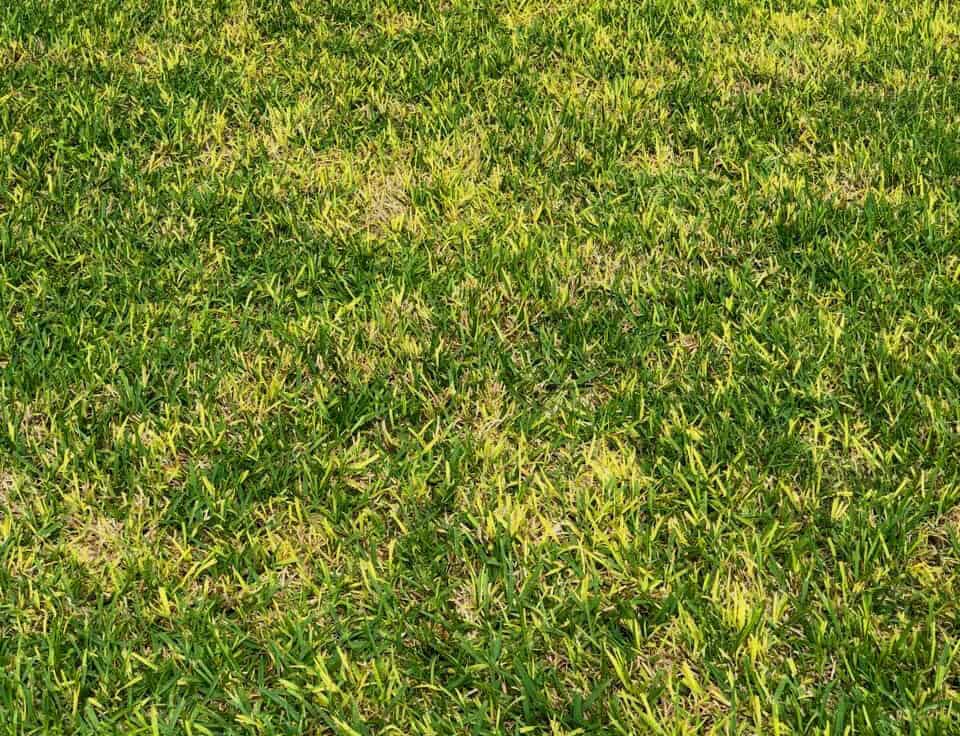
Image Source: emeraldlawns.com
Fathoming the Reasons for Yellow Grass
Many factors can contribute to a lawn turning yellow. It’s crucial to accurately diagnose yellow grass to apply the correct treatment. Let’s delve into the most frequent offenders.
Nutrient Deficiencies: The Hunger Pains of Your Lawn
Just like humans, grass needs essential nutrients to thrive. When these nutrients are lacking, the grass blades can lose their green pigment and turn yellow.
Nitrogen: The Green’s Best Friend
Nitrogen is the most vital nutrient for healthy grass growth and vibrant green color. It’s a key component of chlorophyll, the pigment that captures sunlight for photosynthesis.
- Symptoms: A general yellowing of the entire lawn, often starting with older, lower leaves. The grass color change can be subtle at first, progressing to a more uniform pale green or yellow.
- Causes:
- Insufficient fertilization: Not applying yellowing lawn fertilizer often enough or using a product with too little nitrogen.
- Leaching: Heavy rainfall or overwatering can wash nitrogen out of the soil, especially sandy soils.
- Poor soil quality: Soils lacking organic matter can’t hold onto nutrients effectively.
- Solutions:
- Apply a nitrogen-rich fertilizer: Look for a fertilizer with a high first number in the N-P-K ratio (e.g., 20-5-10).
- Timing is key: Fertilize during the active growing seasons for your grass type (spring and fall for cool-season grasses, summer for warm-season grasses).
- Slow-release fertilizers: These provide a steady supply of nitrogen over time, reducing the risk of leaching.
Iron: The Color Enhancer
Iron is another critical nutrient for chlorophyll production. While grass might have enough nitrogen, a lack of iron can still lead to yellowing, particularly in certain grass species.
- Symptoms: Interveinal chlorosis, where the leaf veins remain green while the tissue between them turns yellow. This often appears as a streaky yellow pattern.
- Causes:
- Iron deficiency in soil: Some soils naturally have low iron availability.
- High soil pH: Alkaline soils (high pH) can lock up iron, making it unavailable to the grass roots, even if it’s present.
- Overwatering: Similar to nitrogen, excessive watering can leach iron or affect root function.
- Solutions:
- Apply an iron supplement: Chelated iron or iron sulfate can be applied as a liquid spray or granular form.
- Test soil pH: If your soil is alkaline, consider adding soil acidifiers like elemental sulfur to improve iron uptake.
- Avoid overwatering: Ensure proper drainage and watering practices.
Other Micronutrients: The Supporting Cast
While less common, deficiencies in other micronutrients like magnesium, manganese, or zinc can also contribute to a yellowing lawn.
- Symptoms: These can vary, often appearing as mottled patterns, stunted growth, or distinct yellowing on older or younger leaves depending on the specific nutrient.
- Solutions: A comprehensive soil test can identify deficiencies in these micronutrients, and a balanced fertilizer or specific micronutrient supplement can be applied.
Watering Woes: Too Much or Too Little
Water is life for a lawn, but the balance is delicate. Both extremes of watering can lead to a lawn turning yellow.
Overwatering Yellow Lawn: The Drowning Grass
Paradoxically, giving your lawn too much water can be as damaging as not giving it enough. This can create an environment where roots can’t breathe and nutrients become unavailable.
- Symptoms: A general yellowing, often accompanied by a spongy or mushy feel to the soil. You might notice yellowing lawn patches that are soggy. The grass may also look thin and have a lack of vigor.
- Causes:
- Frequent, shallow watering: Encourages shallow root growth and can saturate the topsoil.
- Poor drainage: Soil that doesn’t drain well retains excess moisture.
- Heavy clay soils: These soils hold onto water longer than sandy soils.
- Solutions:
- Water deeply and infrequently: Aim to moisten the soil several inches down, allowing it to dry out between waterings.
- Check soil moisture: Stick a screwdriver into the ground; if it goes in easily, the soil is moist enough. If it’s hard to push, it’s too dry. If it feels muddy, it’s too wet.
- Improve drainage: Aerate the lawn to improve air and water penetration. Amend clay soils with organic matter.
- Adjust sprinkler head coverage: Ensure you’re not watering paved surfaces or areas that don’t need it.
Drought Yellow Lawn: The Thirsty Turf
When temperatures rise and rainfall is scarce, your lawn can quickly become stressed from lack of water, leading to a brown and yellow lawn.
- Symptoms: The grass blades will start to turn a dull, faded green, then progress to yellow and eventually brown. You’ll likely notice yellowing lawn patches that expand as the drought continues. The grass will feel dry and brittle.
- Causes:
- Insufficient rainfall: Natural lack of precipitation.
- High temperatures and wind: These conditions increase evaporation from the soil and transpiration from the grass blades.
- Shallow root systems: Grass that hasn’t been trained to grow deep roots will suffer more quickly during dry spells.
- Solutions:
- Water deeply during dry periods: Even if you’re trying to conserve water, a deep soaking is better than frequent shallow watering.
- Water in the early morning: This minimizes water loss through evaporation and reduces the risk of fungal diseases.
- Mulch mowing: Leaving grass clippings on the lawn can help retain soil moisture.
- Consider drought-tolerant grass varieties: If you live in a dry climate, choosing grass types that are more resilient to drought is a long-term solution.
Soil Compaction: The Choked Roots
When soil becomes compacted, air, water, and nutrients struggle to reach the grass roots. This stress can manifest as yellowing.
- Symptoms: Uniform yellowing or browning, especially in high-traffic areas. The grass may appear thin and unhealthy, with yellowing lawn patches developing where traffic is heaviest.
- Causes:
- Heavy foot traffic: Walking, playing, or driving on the lawn repeatedly.
- Heavy machinery: Using mowers or other equipment on wet soil.
- Clay soils: These soils are naturally prone to compaction.
- Solutions:
- Aerate your lawn: Core aeration removes small plugs of soil, allowing air, water, and nutrients to penetrate.
- Reduce traffic: Designate pathways to avoid constant pressure on the turf.
- Top-dress with compost: Adding organic matter can help improve soil structure over time.
Pests: The Uninvited Guests
A variety of insects and grubs can feed on grass roots or blades, causing significant damage and yellowing.
Grubs: The Underground Attackers
Grub worms are the C-shaped larvae of scarab beetles. They feed on grass roots, making it difficult for the grass to absorb water and nutrients.
- Symptoms: Irregular yellowing lawn patches that may appear as if the grass is suffering from drought. The affected areas can be easily lifted like a carpet because the roots have been eaten away. You might also see increased activity of birds and other animals digging in the lawn.
- Causes:
- Adult beetle activity: Female beetles lay eggs in the soil, typically in late summer or early fall.
- Favorable conditions: Moist soil and thatch can provide ideal breeding grounds.
- Solutions:
- Identify the infestation: Gently pull back a section of turf. If you find more than 5-10 grubs per square foot, treatment is recommended.
- Apply grub control treatments: These can be preventative (applied in summer before eggs hatch) or curative (applied when grubs are actively feeding).
- Milky Spore: A natural biological control that targets Japanese beetle grubs.
Chinch Bugs: The Surface Savagery
Chinch bugs are small insects that feed on grass blades, injecting a toxin that causes wilting and yellowing. They are most active in hot, dry weather.
- Symptoms: Irregular, often circular yellowing lawn patches that can enlarge and merge, creating larger brown or yellow areas. The damage often appears first in sunny areas.
- Causes:
- Favorable weather conditions: Hot, dry weather promotes chinch bug populations.
- Thick thatch: Provides shelter for the insects.
- Solutions:
- Water management: While counterintuitive for drought, watering can sometimes revive damaged areas, but it won’t kill the bugs. Deep, infrequent watering can help grass withstand chinch bugs better.
- Apply insecticide: Look for products specifically labeled for chinch bug control. Apply in the early morning or late evening.
Other Pests: A Wider Threat
Other pests like armyworms, sod webworms, and billbugs can also cause significant damage and lead to a brown and yellow lawn.
- Symptoms: Varied, but often include chewed grass blades, tunneling, or a general thinning of the turf.
- Solutions: Proper identification of the pest is crucial. Once identified, targeted insecticide treatments or biological controls can be used.
Diseases: The Fungal Footprint
Fungal diseases are a common cause of yellow grass and can spread rapidly, especially in humid or wet conditions.
Dollar Spot: The Small But Significant Scars
Dollar spot is a common fungal disease that creates small, straw-colored spots about the size of a silver dollar.
- Symptoms: Small, bleached-white or straw-colored spots, often with a sunken appearance. You might see a cobweb-like mycelium on the grass blades in the early morning dew. These yellowing lawn patches can merge into larger areas.
- Causes:
- Low nitrogen levels: Weakened grass is more susceptible.
- Moisture: Extended periods of leaf wetness.
- Drought stress: Dry, stressed grass is also vulnerable.
- Solutions:
- Proper fertilization: Ensure adequate nitrogen levels.
- Improve air circulation: Prune nearby shrubs or trees if they are blocking airflow.
- Water efficiently: Water deeply and infrequently in the morning.
- Apply fungicides: If the problem persists, a fungicide labeled for dollar spot can be used.
Brown Patch: The Expanding Rings
Brown patch is a fungal disease that causes circular patches of tan or brown, often with a darker ring around the edge.
- Symptoms: Circular or irregular patches of yellowing or browning grass, typically 6 inches to several feet in diameter. In the early morning, a smoky, bluish-gray ring might be visible around the edge of the patch.
- Causes:
- High humidity and heat: Thrives in warm, humid conditions.
- Overwatering: Especially during hot periods.
- Excessive thatch: Traps moisture.
- Solutions:
- Adjust watering: Water in the morning, deeply and infrequently.
- Reduce thatch: Aerate and dethatch as needed.
- Apply fungicides: Fungicides are effective in controlling brown patch.
Other Fungal Diseases: A Spectrum of Symptoms
Other diseases like Pythium blight, Fusarium blight, and rust can also cause a grass color change and lead to a yellow lawn.
- Symptoms: Symptoms vary widely, from greasy-looking patches to wilting and distinctive colored spores.
- Solutions: Correct identification is key. Cultural practices like proper watering, fertilization, and aeration are the first line of defense. Fungicides may be necessary for severe outbreaks.
Chemical Damage: Accidental Harm
Accidental spills or incorrect application of herbicides, pesticides, or even pet urine can cause yellowing lawn patches.
- Symptoms: Often appear as distinct dead or yellowed spots, rings, or streaks where the chemical came into contact with the grass. Pet urine typically causes a distinct yellow or brown spot surrounded by a ring of darker green, rapidly growing grass.
- Causes:
- Herbicide misapplication: Using the wrong product or applying it at the wrong concentration or time.
- Pet urine: High nitrogen content in animal waste.
- Fertilizer burn: Applying too much fertilizer or applying it to a dry lawn.
- Solutions:
- Dilution: For chemical spills, try to dilute the affected area with plenty of water.
- For pet urine: Water the spot immediately and thoroughly to dilute the nitrogen.
- For fertilizer burn: Water the lawn thoroughly to wash the excess fertilizer into the soil.
- Rinse and resod/reseeding: In severe cases, the damaged area may need to be removed and reseeded or resodded.
Environmental Stress: The Elements at Play
Beyond water, other environmental factors can stress your lawn and cause it to turn yellow.
Heat Stress: Baking Under the Sun
Prolent periods of high temperatures and intense sunlight can overwhelm grass, especially if it’s not adequately watered or is a less heat-tolerant variety.
- Symptoms: A general yellowing or browning, particularly in sunny areas. The grass blades may appear wilted and dry. This can contribute to a brown and yellow lawn.
- Causes:
- Sustained high temperatures: Especially above 90°F (32°C).
- Lack of moisture: Exacerbates the effects of heat.
- Thin turf: Less protection for the soil and roots.
- Solutions:
- Water deeply: Ensure adequate hydration during heat waves.
- Avoid mowing too short: Longer grass shades the soil and roots, reducing stress.
- Reduce traffic: Minimize activity on the lawn during extreme heat.
Soil pH Imbalance: The Unseen Obstacle
The pH of your soil affects the availability of nutrients to your grass. If the pH is too high or too low, certain essential nutrients can become locked up.
- Symptoms: General chlorosis (yellowing) or stunted growth, often without a clear pattern, indicating a broader nutrient availability issue. This can contribute to a subtle grass color change.
- Causes:
- Natural soil composition: Some regions have naturally acidic or alkaline soils.
- Over-application of certain fertilizers: Some fertilizers can alter soil pH over time.
- Solutions:
- Soil testing: Conduct a soil test to determine the pH level.
- Amendments: Apply lime to raise pH (make less acidic) or sulfur to lower pH (make less alkaline). Follow recommendations based on your soil test results.
Diagnosing Your Yellow Lawn: A Step-by-Step Approach
To effectively treat a yellowing lawn, you first need to pinpoint the cause. Here’s a systematic way to diagnose yellow grass:
Step 1: Observe the Pattern of Yellowing
- Uniform yellowing: Suggests a widespread issue like nitrogen deficiency or overall drought stress.
- Patchy yellowing: Could indicate pest infestations, fungal diseases, or localized soil problems.
- Streaks or spots: Often point to chemical burns, pet urine, or specific insect damage.
- Yellowing starting at the tips and progressing down: Can be a sign of drought stress or certain nutrient deficiencies.
- Yellowing between veins: Suggests iron deficiency (interveinal chlorosis).
Step 2: Examine the Soil Conditions
- Moisture: Is the soil excessively wet, very dry, or appropriately moist? Dig a small hole to check moisture levels a few inches down.
- Compaction: Try pushing a screwdriver into the soil. If it’s difficult, the soil is likely compacted.
- Thatch: Is there a thick layer of dead grass material on the surface? A thatch layer over half an inch can be problematic.
Step 3: Investigate for Pests
- Check for grubs: Gently pull back a section of turf. If you find more than a few C-shaped grubs, it’s likely a grub problem.
- Look for chinch bugs: Part the grass blades in affected areas. If you see small, dark insects with white markings, it’s likely chinch bugs.
- Inspect for other insects: Look for caterpillars, armyworms, or other visible signs of insect activity.
Step 4: Assess for Disease
- Look for characteristic patterns: Are there rings, spots, or fuzzy growth?
- Check leaf blades: Are there any lesions, spots, or unusual discolorations on the blades themselves?
- Observe in the morning: Fungal diseases are often more visible in the morning dew.
Step 5: Consider Recent Activities
- Fertilization: Did you recently fertilize? Could it have been too much or too close to the grass blades?
- Herbicide or pesticide application: Were any chemicals applied recently?
- Traffic: Has the area experienced unusually heavy foot or vehicle traffic?
- Weather: Has there been a significant change in temperature or rainfall?
Solutions and Prevention: Keeping Your Lawn Green
Once you’ve diagnosed the problem, you can implement targeted solutions. Prevention is always better than cure, so adopting good lawn care practices can help avoid future yellowing lawn patches.
Fertilization Strategies: Fueling the Green
- Choose the right fertilizer: Use a balanced fertilizer with a good amount of nitrogen for greening. Consider a slow-release formula.
- Timing is crucial: Fertilize during the active growing seasons.
- Follow application rates: Never over-apply fertilizer, as this can cause “fertilizer burn.”
- Consider organic options: Compost and organic fertilizers improve soil health over time.
Watering Wisely: The Right Amount, The Right Time
- Deep and infrequent: Encourage deep root growth.
- Morning watering: Minimizes evaporation and disease risk.
- Adjust based on weather: Water more during hot, dry spells and less when it’s cool and moist.
- Use a rain gauge: Monitor how much water your lawn is actually receiving.
Pest and Disease Management: Be Proactive
- Healthy lawn is resistant: A well-nourished and properly watered lawn is less susceptible to pests and diseases.
- Integrated Pest Management (IPM): Use the least toxic methods first. This might involve manual removal, beneficial insects, or natural pesticides before resorting to synthetic chemicals.
- Aeration and dethatching: Reduce thatch buildup to prevent disease and improve air circulation.
- Fungicides: Use them judiciously and only when necessary, following product instructions carefully.
Cultural Practices: The Foundation of a Healthy Lawn
- Mowing height: Mow at the correct height for your grass type. Longer grass shades the soil, retains moisture, and discourages weeds.
- Sharp mower blades: Dull blades tear grass, making it more susceptible to disease and yellowing.
- Overseeding: Fill in thin areas with appropriate grass seed to create a denser turf that is more resistant to pests and environmental stress.
Specific Scenarios and Treatments
Let’s look at some common combinations of symptoms and their likely causes and solutions.
| Symptoms | Likely Cause(s) | Recommended Solutions |
|---|---|---|
| Uniform, pale green to yellowing across the entire lawn. | Nitrogen deficiency, general drought stress. | Apply a nitrogen-rich fertilizer. Water deeply if dry. |
| Irregular yellowing lawn patches, easily pulled up like carpet. | Grub infestation. | Apply a grub control product. |
| Small, straw-colored spots, sometimes with sunken appearance. | Dollar spot disease. | Fertilize appropriately, improve air circulation, water in the morning. Consider fungicide if severe. |
| Circular patches of brown/yellow, sometimes with a dark ring border. | Brown patch disease. | Water in the morning, reduce thatch, ensure good air circulation. Apply fungicide if needed. |
| Yellowing between leaf veins. | Iron deficiency. | Apply an iron supplement. Test and adjust soil pH if necessary. |
| Dry, brittle grass turning yellow and then brown, especially in sun. | Drought yellow lawn, heat stress. | Water deeply and infrequently. Avoid mowing too short. Reduce traffic during hot periods. |
| Yellowing spots or rings, often spreading. | Overwatering yellow lawn, poor drainage. | Reduce watering frequency. Ensure good drainage. Aerate the lawn. |
| Distinct yellow or brown spots, often with a green ring around them. | Pet urine. | Water the affected spot thoroughly immediately after the pet urinates. |
| Yellowing in lines or dead patches after herbicide application. | Chemical burn (herbicide or fertilizer). | Water thoroughly to dilute the chemical. If severe, the area may need to be reseeded. |
Frequently Asked Questions (FAQ)
Q1: How quickly can I expect to see my lawn turn green after fertilizing?
A1: With a good nitrogen-rich fertilizer, you should start seeing improvements in color within 24-72 hours, with more significant greening occurring over the next week to ten days, depending on the weather and the health of your lawn.
Q2: Is it bad if my lawn turns yellow in the winter?
A2: For cool-season grasses (like Kentucky bluegrass, fescues, and ryegrass), dormancy in winter is normal, and they may turn a straw-like yellow or brown. This is not a cause for concern as long as they green up again in the spring. Warm-season grasses go dormant in the fall and will also turn brown.
Q3: Can I overseed a yellow lawn?
A3: It’s best to address the underlying cause of the yellowing before overseeding. If the yellowing is due to a disease or pest, overseeding an unhealthy lawn will likely result in the new grass also failing. Once the issue is resolved, overseeding can help fill in thin or bare spots.
Q4: My lawn has brown and yellow lawn patches. What should I do first?
A4: Start by examining the pattern and the soil conditions. Dig into the affected areas to check for grubs or other pests. Assess your watering habits and consider recent chemical applications. This initial diagnosis will guide your treatment plan.
Q5: What is the best type of fertilizer for a yellowing lawn?
A5: A yellowing lawn fertilizer with a high percentage of nitrogen is usually the best first step for general yellowing, especially if your lawn is deficient in this nutrient. Look for a product with a slow-release nitrogen source to provide sustained feeding. Always follow the application instructions on the product label.
By systematically diagnosing the problem and applying the appropriate solutions, you can transform your yellowing lawn back into a vibrant, healthy green carpet. Consistent care and attention to your lawn’s needs are the keys to maintaining its beauty throughout the seasons.