
How long for lawn seeds to grow? Generally, you can expect to see the first signs of grass growth, or germination, within 5 to 10 days for most common grass types, though some may take up to 30 days.
Planting grass seed is an exciting way to transform your yard into a lush, green carpet. But patience is a virtue, especially when waiting for those tiny seeds to wake up and start growing. This guide will walk you through the entire process, from germination to a fully established lawn, explaining what you can expect and what factors influence the timeline.
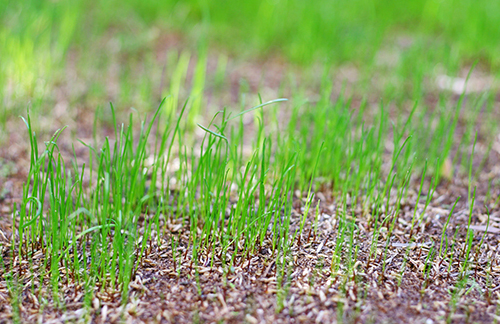
Image Source: www.thegrassmaster.com
The Journey of a Seed: Germination and Sprouting
The initial phase of growing a lawn from seed is all about germination and sprouting. This is where the magic begins, and it’s crucial to understand this stage to set your new lawn up for success.
Grass Germination Time: What to Expect
Grass germination time varies significantly depending on the type of grass seed you’ve chosen. Different species have different needs and timelines for sprouting.
- Cool-Season Grasses: These grasses, like Kentucky bluegrass, perennial ryegrass, and fescues, typically germinate faster in cooler temperatures.
- Perennial Ryegrass: Often the fastest germinator, with visible sprouts in as little as 5-7 days under ideal conditions.
- Fine Fescues & Tall Fescue: Usually sprout within 7-14 days.
- Kentucky Bluegrass: This beautiful grass is a bit slower, often taking 14-21 days, and sometimes even longer, to germinate.
- Warm-Season Grasses: These grasses, such as Bermuda, Zoysia, and St. Augustine, prefer warmer soil and air temperatures.
- Bermuda Grass: Can germinate in as little as 7-14 days when temperatures are consistently warm.
- Zoysia Grass: Is known for being slow to establish, with germination taking anywhere from 14-21 days, and sometimes up to 30 days.
- St. Augustine Grass: Typically germinates within 7-14 days in warm conditions.
Seed Sprouting Time: The Critical First Weeks
Seed sprouting time is the period between planting and when you first see tiny green shoots emerging from the soil. This is a delicate stage, and providing the right environment is key.
- Initial Sprout: You’ll typically see the first green shoots appearing within a week to 10 days if conditions are favorable.
- Emergence: More sprouts will continue to appear over the next one to two weeks as more seeds reach their germination threshold.
- Thinness: Don’t be alarmed if your newly sprouted lawn looks thin. This is normal as the grass blades are very fine at this stage.
Factors Affecting Grass Growth
Several elements influence how quickly and successfully your grass seed will sprout and grow. Paying attention to these factors can significantly improve your results.
Soil Temperature for Grass Growth
This is perhaps the most critical factor. Grass seed needs a specific soil temperature for grass growth to trigger germination.
- Cool-Season Grasses: Thrive when soil temperatures are between 50°F and 65°F (10°C – 18°C). This is why fall and early spring are prime planting times for these grasses.
- Warm-Season Grasses: Need warmer soil, ideally between 70°F and 85°F (21°C – 29°C). This makes late spring and early summer the best planting seasons for these varieties.
You can check soil temperature with a simple soil thermometer.
Moisture Requirements
Consistent moisture is vital for germination. Seeds need to be kept moist, but not waterlogged.
- Germination Stage: Seeds absorb water to activate their growth processes. Too little water, and they won’t sprout. Too much, and they can rot or be washed away.
- Watering Schedule: Frequent, light watering is best in the initial stages. Aim to keep the top inch of soil consistently moist. As seedlings grow, you can gradually reduce watering frequency and increase duration.
Sunlight Exposure
Most grass types need sunlight to grow, though some can tolerate partial shade.
- Direct Sunlight: Promotes healthy growth and helps warm the soil.
- Shady Areas: May require shade-tolerant grass varieties, and even then, growth might be slower.
Seed-to-Soil Contact
Proper contact between the seed and the soil is essential for moisture absorption and root development.
- Firming the Soil: After sowing, gently firm the soil to ensure good contact. This can be done by walking over the area or using a roller.
- Avoid Loose Soil: If the soil is too loose, seeds can dry out.
Seed Quality and Viability
The lawn seed viability refers to the percentage of seeds in a bag that are alive and capable of germinating.
- Fresh Seed: Always buy fresh seed from reputable sources. Older seed may have significantly reduced viability.
- Seed Packaging: Check the “packed for” date on the seed bag.
- Mixtures: Seed mixtures often contain different grass types with varying germination rates. This is why you might see some sprouts appearing earlier than others.
Lawn Growth Stages: From Sprout to Established Turf
Once your seeds have sprouted, they enter different stages of growth. Each stage requires slightly different care to ensure the development of a strong, healthy lawn.
Stage 1: Seedling Emergence (0-2 Weeks)
This is the period immediately after the first sprouts appear.
- Appearance: Tiny, delicate green blades.
- Care: Continue keeping the soil consistently moist with light watering. Avoid heavy foot traffic or any activity that could damage the fragile seedlings.
Stage 2: Vegetative Growth (2-6 Weeks)
In this stage, the grass blades begin to grow taller and the root system starts to develop.
- Appearance: Seedlings become more noticeable, and the lawn starts to thicken.
- Care: Gradually reduce watering frequency but increase the duration. This encourages deeper root growth. If your grass reaches about 3-4 inches in height, it’s time for the first mowing.
- First Mowing: Use a sharp mower blade and only cut off about one-third of the grass blade’s height. Avoid cutting too short, as this can stress the new grass.
Stage 3: Establishment (6-12 Weeks)
This is when the grass plants develop a more robust root system and start to spread, filling in bare spots.
- Appearance: The lawn should appear more uniform and dense.
- Care: You can resume normal watering practices. Fertilization can be beneficial at this stage to support further growth and density. Continue mowing as needed, always removing no more than one-third of the blade length.
Stage 4: Mature Lawn (3-6 Months and beyond)
After a few months, your lawn should be well-established and able to withstand regular use.
- Appearance: A thick, healthy turf.
- Care: Standard lawn care practices – mowing, watering, and fertilizing – will help maintain its health and appearance.
When to Expect Grass Growth: A Timeline Breakdown
So, you’ve sown your seed. When exactly can you anticipate seeing results? Here’s a more detailed look at when to expect grass growth.
- Fast Germinators (e.g., Perennial Ryegrass):
- First Sprouts: 5-7 days.
- Visible Lawn: 2-3 weeks.
- Mowable Height: 3-4 weeks.
- Medium Germinators (e.g., Fescues, Tall Fescue, Bermuda Grass):
- First Sprouts: 7-14 days.
- Visible Lawn: 3-4 weeks.
- Mowable Height: 4-6 weeks.
- Slow Germinators (e.g., Kentucky Bluegrass, Zoysia Grass):
- First Sprouts: 14-21 days (can be up to 30 days for some).
- Visible Lawn: 4-6 weeks.
- Mowable Height: 6-8 weeks.
Remember, these are general timelines. External factors can always influence these estimates.
Time to Establish Lawn: Beyond the Sprouts
The time to establish lawn refers to when your new grass has developed a strong enough root system to withstand normal wear and tear, and the turf is dense and healthy. This takes significantly longer than just germination and sprouting.
- Root Development: While you see green shoots in weeks, roots are still shallow. It takes months for roots to reach a good depth.
- Density: For the lawn to be considered “established,” it needs to be dense enough to prevent weeds from easily taking hold.
- Typical Establishment Time: Most new lawns are considered established and can tolerate moderate foot traffic between 3 to 6 months after sowing, provided they receive proper care.
Overseeding Success Rate: Improving Your Existing Lawn
Overseeding success rate is about planting new grass seed into an existing lawn to thicken it and improve its appearance. The principles are similar to starting a new lawn, but there are a few extra considerations.
- Preparation is Key:
- Mow Low: Mow the existing lawn short before overseeding.
- Aerate: Aerating the lawn creates small holes in the soil, improving seed-to-soil contact and allowing water and nutrients to reach the roots.
- Dethatch: If you have a thick layer of thatch (dead grass), dethatching can also improve seed-to-soil contact.
- Seed Selection: Choose grass types compatible with your existing lawn.
- Timing: Overseeding is best done in early fall for cool-season grasses, allowing them to establish before winter. For warm-season grasses, late spring or early summer is ideal.
- Post-Seeding Care: Consistent moisture is crucial for the new seed to germinate and grow amongst the existing turf.
The overseeding success rate can be significantly improved by following these preparation steps and ensuring good seed-to-soil contact and consistent moisture.
Troubleshooting Common Lawn Seeding Issues
Even with the best intentions, sometimes lawn seeding doesn’t go as planned. Here are some common problems and how to address them.
My Grass Seed Isn’t Sprouting! What’s Wrong?
If you’ve waited longer than the expected grass germination time and seen no results, consider these possibilities:
- Incorrect Soil Temperature: The soil might be too cold or too hot for your chosen grass type.
- Insufficient Moisture: The soil may have dried out, preventing germination. Re-moisten the area gently.
- Too Much Water: Overwatering can drown seeds or wash them away.
- Poor Seed-to-Soil Contact: Seeds might be sitting on top of the soil, unable to absorb moisture.
- Old or Damaged Seed: The seed may have lost its viability.
- Pest or Disease Issues: Birds might be eating the seed, or a fungal disease could be affecting germination.
My New Lawn Looks Thin and Patchy
This is a common issue, especially in the early stages.
- Normal Thinness: Young seedlings are naturally fine and sparse.
- Uneven Seeding: You might have missed spots when spreading the seed.
- Environmental Factors: Poor soil conditions or inadequate sunlight in certain areas can lead to patchy growth.
- Solution: Wait a few more weeks for the grass to fill in. If gaps persist, consider spot seeding or overseeding those areas once the main lawn is established.
The Grass is Growing, But Slowly
If you’re seeing some growth but it seems unusually slow, it could be due to:
- Suboptimal Soil Conditions: Low nutrient levels or poor soil structure can hinder growth.
- Insufficient Sunlight: Shady areas will naturally have slower growth.
- Underwatering: Even after sprouting, grass needs adequate water to grow vigorously.
- Cooler Than Ideal Temperatures: For warm-season grasses, even slightly cooler weather can slow things down.
Maintaining Your New Lawn
Once your grass is starting to look like a lawn, the key is consistent care to foster healthy, long-term growth.
Mowing Your New Grass
- First Cut: Wait until the grass reaches about 3-4 inches tall.
- Mowing Height: Never cut more than one-third of the grass blade length in a single mowing.
- Blade Sharpness: Always use a sharp mower blade. Dull blades tear grass, leaving it susceptible to disease.
- Frequency: Mow as needed to maintain the ideal height for your grass type.
Watering Your New Lawn
- Deep and Infrequent: Once established, water deeply but less often. This encourages deep root growth.
- Morning Watering: Water in the early morning to minimize evaporation and reduce the risk of fungal diseases.
- Observe Your Lawn: Look for signs of drought stress, such as a bluish-gray tint or footprints remaining long after you’ve walked on it.
Fertilizing Your New Lawn
- Initial Fertilization: Many grass seed mixtures come with a starter fertilizer. If not, a starter fertilizer is recommended a few weeks after germination to promote root development.
- Ongoing Fertilization: Follow a regular fertilization schedule based on your grass type and local recommendations. This provides essential nutrients for healthy growth and density.
Frequently Asked Questions (FAQs)
Q1: How long does it take for grass seed to sprout in cold weather?
A1: Grass seed will sprout much slower in cold weather. For cool-season grasses, it typically takes longer than the usual 5-14 days, and germination may even halt if temperatures drop too low. It’s best to plant cool-season grasses when temperatures are moderate, not during the coldest periods.
Q2: Can I walk on my new grass seed?
A2: It’s best to avoid walking on your lawn while the seeds are germinating and the seedlings are very young. Light foot traffic can damage the fragile sprouts. Once the grass reaches about 3-4 inches and has been mowed once, light walking is usually permissible, but avoid heavy activity until the lawn is fully established (3-6 months).
Q3: What is the best time of year to plant grass seed?
A3: The best time depends on your grass type. For cool-season grasses, early fall (late August to mid-October) is ideal, allowing them to establish roots before winter. Early spring (March to May) is also a good option. For warm-season grasses, late spring to early summer (May to July) is best, when soil temperatures are consistently warm.
Q4: How often should I water newly seeded grass?
A4: Newly seeded grass needs consistent moisture. You should water lightly and frequently enough to keep the top inch of soil moist but not soggy. This might mean watering once or twice a day for the first week or two, depending on the weather. As the grass grows, gradually increase the duration and decrease the frequency of watering.
Q5: Why is my grass seed not growing evenly?
A5: Uneven growth can be due to several factors: inconsistent watering, varying soil conditions across your lawn, areas with less sunlight, or uneven seed distribution during planting. Patience is key, as some areas might catch up over time. If patches remain bare after several weeks, consider spot seeding.
By following these guidelines and paying close attention to your new lawn’s needs, you’ll be well on your way to achieving a beautiful, healthy turf.