
Is your lawn turning yellow? Often, yellow grass indicates stress or a problem that needs attention. This article will help you figure out why your lawn is yellow and what you can do to fix it.
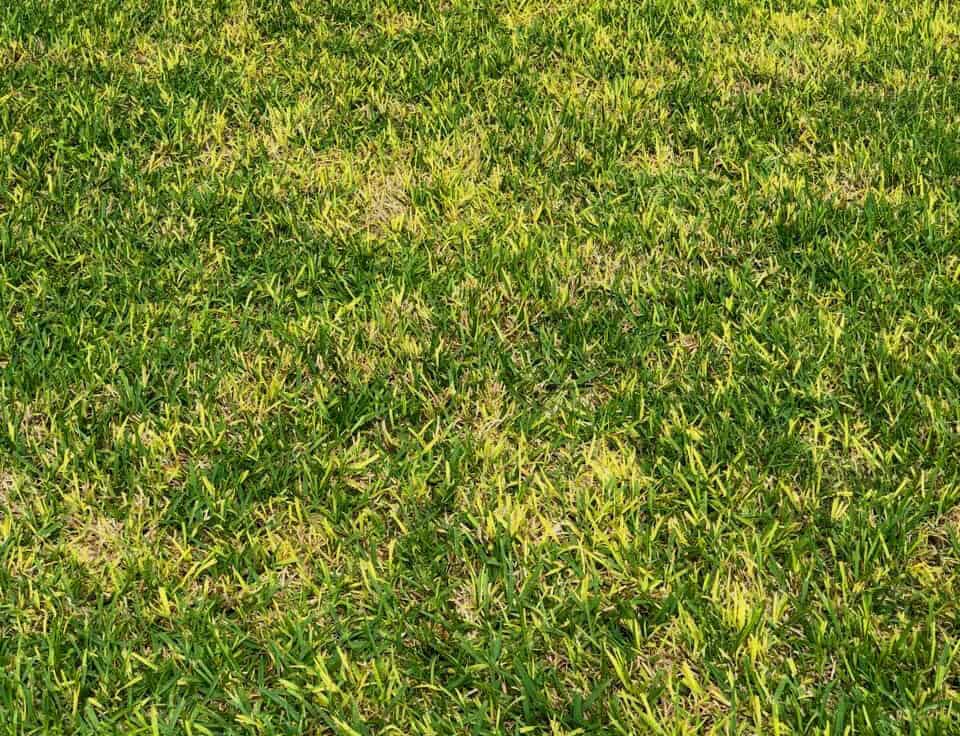
Image Source: emeraldlawns.com
Decoding Lawn Discoloration: Common Culprits Behind Yellow Grass
Seeing patches of yellow grass can be disheartening for any homeowner. This lawn discoloration is a clear sign that something is amiss, and figuring out the root cause is the first step towards restoring your lawn’s vibrant green. Many factors can lead to grass turning yellow, from simple environmental stressors to more complex underlying issues. Let’s dive into the most common reasons your lawn might be showing these unwelcome yellow hues.
Nutrient Deficiency: The Starvation of Your Turf
One of the most frequent reasons for yellow lawn is a lack of essential nutrients. Grass, like any living organism, needs a balanced diet to thrive. When it doesn’t get enough of certain key nutrients, it signals its distress through discoloration, often manifesting as yellowing.
Nitrogen: The Green Maker
Nitrogen is the workhorse nutrient for a healthy, green lawn. It’s a vital component of chlorophyll, the pigment that gives plants their green color and is essential for photosynthesis.
- What to look for: Uniform yellowing across the entire lawn, especially in older, lower leaves. The grass may also appear thin and growth might slow down.
- Why it happens: The soil might be depleted of nitrogen due to excessive rainfall, leaching, or simply not being replenished through fertilization.
- Solutions:
- Fertilization: Apply a nitrogen-rich fertilizer. Look for fertilizers with a higher first number in the N-P-K ratio (e.g., 20-5-10).
- Timing: Apply fertilizer in the spring and fall for best results, avoiding extreme heat or drought conditions.
- Slow-release: Consider slow-release nitrogen fertilizers to provide a steady supply of nutrients over time.
Iron: The Chlorophyll Enhancer
Iron is crucial for chlorophyll production. Even if there’s enough nitrogen, a lack of iron can still lead to yellowing.
- What to look for: Yellowing between the veins of the grass blades, while the veins themselves remain green. This is often called chlorosis. It may appear in specific areas or throughout the lawn.
- Why it happens: Iron deficiency can occur even if iron is present in the soil, if the soil pH balance is too high, making the iron unavailable for uptake by the grass roots.
- Solutions:
- Iron supplements: Apply liquid or granular iron supplements. These are readily available at garden centers.
- Foliar feeding: Spraying iron directly onto the leaves can provide a quick green-up.
- Soil pH adjustment: If high pH is the issue, consider lowering the soil pH using elemental sulfur.
Other Essential Nutrients
While nitrogen and iron are the most common culprits, deficiencies in other nutrients like potassium, magnesium, or manganese can also contribute to grass turning yellow.
- Potassium: Helps with overall plant health, stress tolerance, and disease resistance. Yellowing may appear along the edges of the blades.
- Magnesium: Another component of chlorophyll. Deficiencies can cause yellowing between the veins, similar to iron deficiency.
- Solutions: A comprehensive soil test can identify specific nutrient deficiencies. Based on the results, a balanced fertilizer or a specific nutrient supplement can be applied.
Improper Watering: The Thirst or Drowning of Your Lawn
Water is life for your lawn, but too much or too little can both lead to yellow grass. Achieving the right balance is key.
Underwatering: The Thirsty Lawn
When grass doesn’t receive enough water, it can’t transport nutrients efficiently, and its cells start to dehydrate.
- What to look for: Yellowing that often starts at the tips of the grass blades and progresses downwards. The grass may also look wilted, feel dry to the touch, and footprints might remain visible long after you’ve walked on it. In severe cases, the grass can turn brown and die.
- Why it happens: Prolonged dry spells, insufficient irrigation, or hot, windy weather that increases evaporation.
- Solutions:
- Deep and infrequent watering: Water deeply to encourage roots to grow deeper. Aim for about 1 inch of water per week, delivered in one or two applications.
- Timing: Water in the early morning to minimize evaporation and allow the grass to dry before evening, reducing disease risk.
- Mulching: Applying a layer of mulch around trees and shrubs can help retain soil moisture.
Overwatering: The Drowning Lawn
Surprisingly, overwatering can also cause yellowing. Excess water can displace oxygen in the soil, making it difficult for roots to breathe. It can also lead to fungal diseases.
- What to look for: A general yellowing, often accompanied by mushy or spongy soil. You might also notice a musty odor. The grass may appear weak and stunted.
- Why it happens: Watering too frequently, for too long, or poor drainage in the soil.
- Solutions:
- Adjust watering schedule: Reduce the frequency and duration of watering. Ensure you’re watering deeply, not just the surface.
- Improve drainage: If your soil is compacted or heavy clay, aerating the lawn can improve water penetration and air circulation. Consider amending the soil with organic matter.
- Check for leaks: Ensure your irrigation system isn’t leaking and that sprinklers are not overspraying onto hard surfaces.
Lawn Pests: The Unseen Invaders
Tiny creatures can wreak havoc on your lawn, causing significant damage and leading to yellow grass. These lawn pests feed on the grass roots or blades, disrupting nutrient uptake and weakening the plant.
Grubs
Grub worms are the C-shaped larvae of Japanese beetles, June bugs, and other scarab beetles. They live in the soil and feed on grass roots.
- What to look for: Irregular patches of yellow or brown, dead grass that can be easily pulled up like a carpet because the roots have been eaten. You might see increased bird activity, as they often dig for grubs.
- Why it happens: Grubs are naturally present in soil, but their populations can boom under certain conditions.
- Solutions:
- Identification: Dig up a few small sections of turf to check for C-shaped white grubs.
- Treatment: Apply a grub control product. Timing is crucial; products are most effective when grubs are young and feeding actively, typically in late summer or early fall.
Chinch Bugs
These small, winged insects feed on grass blades by piercing them and sucking out the juice.
- What to look for: Yellow or brown patches, often starting in sunny areas. These patches may grow and merge, resembling drought stress, but they typically don’t respond to watering. You might see a reddish-brown discoloration on the blades near the base of the plant.
- Why it happens: Chinch bugs thrive in hot, dry conditions and can reproduce rapidly.
- Solutions:
- Identification: Look for tiny black insects with white markings on their wings near the base of the grass blades, especially in the affected areas.
- Treatment: Apply an insecticide specifically formulated for chinch bugs. Ensure thorough coverage, especially at the soil line.
Sod Webworms and Armyworms
These caterpillars feed on grass blades, causing chewing damage.
- What to look for: Patches of chewed-up, thin grass that may appear yellowish or brown. Sod webworms create silk tunnels at the soil surface, while armyworms can strip grass blades down to the crown.
- Why it happens: These pests are more common in warm weather and can be exacerbated by drought stress.
- Solutions:
- Identification: Look for the caterpillars themselves, often at dusk or dawn, or check for their telltale damage.
- Treatment: Insecticides labeled for caterpillars can be effective.
Fungal Diseases: The Silent Saboteurs
Fungal diseases are another major contributor to lawn discoloration and can quickly turn a healthy green lawn into a patchy, yellow mess. These diseases often thrive in specific environmental conditions.
Brown Patch
A common fungal disease that appears as circular patches of brown or straw-colored grass, often with a grayish-brown border.
- What to look for: Circular patches, typically 1-3 feet in diameter. In the early morning, you might see a smoky gray ring around the edge of the patch. The grass blades within the patch may have a “frog-eye” appearance (yellowing with a brown center).
- Why it happens: High temperatures and humidity, combined with overwatering or infrequent deep watering.
- Solutions:
- Improve air circulation: Trim back overhanging shrubs or trees.
- Water wisely: Water in the morning and avoid overwatering.
- Fungicides: Apply a lawn fungicide labeled for brown patch.
Dollar Spot
This disease causes small, straw-colored spots, about the size of a silver dollar, scattered across the lawn.
- What to look for: Small, sunken, bleached-out spots that are roughly circular. If you look closely, you might see a small, tan band or “dollar sign” pattern on the affected grass blades. These spots can merge into larger affected areas.
- Why it happens: Low nitrogen levels, drought stress, and moderate temperatures with high humidity.
- Solutions:
- Fertilize: Ensure adequate nitrogen levels in the lawn.
- Water consistently: Avoid letting the lawn dry out completely.
- Fungicides: Use a fungicide effective against dollar spot.
Powdery Mildew
Characterized by a white, powdery substance on the grass blades.
- What to look for: A white or grayish powdery coating on the surface of the grass blades, especially in shady areas with poor air circulation. As it progresses, the blades may turn yellow and eventually brown.
- Why it happens: Shady conditions, poor air circulation, and high humidity.
- Solutions:
- Improve air circulation: Prune nearby trees and shrubs.
- Reduce shade: If possible, thin out canopy cover.
- Fungicides: Apply a fungicide formulated for powdery mildew.
Soil pH Balance: The Foundation of Health
The soil pH balance is a critical, yet often overlooked, factor in lawn health. Soil pH measures how acidic or alkaline the soil is, on a scale of 0 to 14. Most grasses thrive in a slightly acidic to neutral range, typically between 6.0 and 7.0.
- What to look for: Persistent yellowing that doesn’t seem to be caused by other factors like pests or disease. The grass might also appear stunted or generally unhealthy.
- Why it happens:
- Too acidic (low pH): Can “lock up” essential nutrients like nitrogen, phosphorus, and potassium, making them unavailable to the grass roots, even if they are present in the soil. It can also increase the availability of toxic elements like aluminum.
- Too alkaline (high pH): Can lead to iron and manganese deficiencies, causing chlorosis.
- Solutions:
- Soil Testing: The most important step is to get a soil test. This will tell you your soil’s pH and nutrient levels. You can get kits from garden centers or send samples to your local cooperative extension office.
- Adjusting pH:
- To lower pH (make it more acidic): Apply elemental sulfur or iron sulfate.
- To raise pH (make it more alkaline): Apply lime (calcium carbonate or dolomitic lime).
- Apply amendments gradually: It’s best to adjust pH gradually over time rather than making drastic changes at once. Follow the recommendations from your soil test results.
Environmental Stressors: Harsh Conditions for Your Lawn
Even with perfect care, extreme environmental conditions can stress your lawn, leading to yellow grass.
Extreme Heat and Drought
Prolonged periods of high temperatures and lack of moisture put immense stress on grass.
- What to look for: Yellowing and browning, often starting in sunny areas. The grass may go dormant, turning a straw-like color, to conserve resources.
- Why it happens: The grass plants cannot absorb enough water to compensate for the rapid water loss through transpiration in hot, dry conditions.
- Solutions:
- Water deeply and less frequently: Encourage deeper root growth.
- Mow higher: Taller grass shades the soil, keeping it cooler and reducing moisture loss.
- Avoid heavy traffic: Reduce activity on the lawn during extreme heat.
- Consider drought-tolerant grass varieties: For future re-seeding or lawn renovation.
Frost and Cold Damage
Sudden frosts or prolonged cold can damage grass blades.
- What to look for: Yellowing or browning of grass blades, often after a cold snap. The damage may be more severe in exposed areas.
- Why it happens: Cold temperatures can damage or kill grass cells.
- Solutions:
- Wait and see: Often, grass will recover as temperatures warm up.
- Watering: Ensure the lawn is adequately watered going into winter.
- Aeration: Improve soil health to help roots recover.
Pet Urine
Dog urine is highly concentrated and can “burn” the grass, leaving behind yellow or brown spots.
- What to look for: Small, distinct yellow or brown circular spots, often with green grass around the edges.
- Why it happens: The high nitrogen content in urine acts like a fertilizer burn.
- Solutions:
- Rinse the area: Immediately water down any spot where a pet has urinated.
- Encourage hydration: Ensure pets drink plenty of water.
- Train pets: Encourage pets to use a specific area of the yard.
- Repair spots: Overseed or patch affected areas once the urine burn has subsided.
Chemical Burns
Accidental spills or improper application of herbicides, pesticides, or fertilizers can cause chemical burns.
- What to look for: Patches of yellow or brown grass that appear suddenly after chemical application. The pattern might reflect the path of the spill or spray.
- Why it happens: Over-application or incorrect mixing of chemicals.
- Solutions:
- Water immediately: Flush the affected area with plenty of water to dilute the chemical.
- Remove affected grass: In severe cases, you may need to remove the dead grass and reseed.
- Follow instructions: Always read and follow product label instructions carefully.
Compaction and Thatch Buildup: Suffocating Your Lawn
Compacted soil and thick thatch layers can prevent water, air, and nutrients from reaching the grass roots, leading to stress and yellow grass.
Soil Compaction
When soil becomes dense and hard, it restricts root growth and limits the flow of air and water.
- What to look for: Yellowing, thinning grass, especially in high-traffic areas like pathways or play areas. The soil may feel hard and water may not penetrate easily.
- Why it happens: Foot traffic, heavy machinery, or poor soil structure.
- Solutions:
- Aeration: Core aeration is the process of removing small plugs of soil from the lawn. This allows air, water, and nutrients to penetrate the root zone.
- Reduce traffic: Limit heavy foot or vehicle traffic on the lawn.
- Topdressing: Adding a thin layer of compost or sand can help improve soil structure over time.
Thatch Buildup
Thatch is a layer of dead and living organic matter (stems, roots, and crowns) that accumulates between the green grass blades and the soil surface. A thin layer is beneficial, but a thick layer can cause problems.
- What to look for: A spongy feeling when walking on the lawn, increased susceptibility to pests and diseases, and yellowing grass that doesn’t respond well to watering or fertilization.
- Why it happens: The rate of organic matter production exceeds the rate at which it decomposes. This can be due to aggressive grass growth, over-fertilization, or poor soil conditions.
- Solutions:
- Dethatching (Scarifying): Using a dethatching rake or a power dethatcher to physically remove the excess thatch. This is best done in the fall or spring.
- Improve soil health: Aeration and topdressing can help break down thatch naturally.
- Adjust fertilization: Avoid over-fertilizing, especially with high-nitrogen fertilizers.
Troubleshooting Your Yellow Lawn: A Step-by-Step Guide
When faced with a yellowing lawn, a systematic approach to diagnosis and treatment is most effective.
Step 1: Observe and Inspect
Carefully examine the yellow areas. Note the pattern of yellowing, the condition of the grass blades, and the soil.
- Is the yellowing uniform or patchy?
- Is it on the tips, blades, or entire plant?
- Are there any visible insects or signs of disease?
- What is the soil like – dry, wet, hard, spongy?
- When did the yellowing start, and has anything changed recently (weather, watering, treatments)?
Step 2: Check Your Watering Habits
This is often the easiest problem to identify and fix.
- Too dry: If the soil is dry and the grass feels brittle, increase watering.
- Too wet: If the soil is constantly soggy, reduce watering frequency and ensure good drainage.
Step 3: Consider Nutrient Needs
If watering seems fine, think about fertilization.
- When was the last time you fertilized?
- What type of fertilizer did you use?
- If the lawn looks generally pale yellow and growth is slow, a nitrogen boost might be needed.
Step 4: Investigate Pests and Diseases
Look closely for signs of insect activity or fungal growth.
- Digging for grubs or checking for chinch bugs at the soil line can be revealing.
- Fungal diseases often have characteristic patterns or visual signs.
Step 5: Test Your Soil
For persistent or widespread yellowing, a soil test is invaluable.
- This will reveal pH imbalances and nutrient deficiencies.
- It provides clear guidance on what amendments are needed.
Step 6: Address Environmental Factors
Think about recent weather patterns or any accidental exposures.
- Extreme heat or cold?
- Recent chemical spills?
Preventative Measures: Keeping Your Lawn Green and Healthy
The best way to deal with a yellow lawn is to prevent it from happening in the first place. Consistent, proper lawn care issues can create a robust lawn that is more resistant to stress.
Regular Fertilization
- Feed your lawn with a balanced fertilizer at the recommended times, typically spring and fall.
- Adjust fertilizer type based on soil test results and the season.
Proper Watering Schedule
- Water deeply and infrequently (about 1 inch per week).
- Water in the early morning.
- Adjust watering based on weather conditions.
Mowing Practices
- Mow at the correct height: Taller grass shades the soil and promotes deeper root growth. For most cool-season grasses, this is around 3-4 inches. For warm-season grasses, it might be shorter.
- Keep mower blades sharp: Dull blades tear grass, making it more susceptible to disease and stress.
- Mulch mowing: Leave grass clippings on the lawn. They decompose and return valuable nutrients to the soil.
Aeration and Dethatching
- Aerate your lawn annually or bi-annually, especially if it’s compacted.
- Dethatch when thatch buildup exceeds ½ inch.
Weed and Pest Control
- Address weeds and pests proactively with appropriate treatments.
- Healthy, dense turf is less prone to weed and pest infestations.
Overseeding
- Overseed thin or worn areas in the fall (for cool-season grasses) or spring (for warm-season grasses) to maintain a thick, healthy lawn.
Frequently Asked Questions About Yellow Lawns
Q1: My lawn is turning yellow in patches. What could it be?
A1: Patchy yellowing can be caused by several things, including fungal diseases (like brown patch or dollar spot), insect infestations (like grubs or chinch bugs), pet urine spots, or localized soil problems like compaction. A close inspection of the patches, the soil, and the grass blades is needed to diagnose.
Q2: Can I fix a yellow lawn by just watering it more?
A2: Watering more might help if the yellowing is due to underwatering. However, if the lawn is yellow due to overwatering, fungal diseases, or nutrient deficiencies, adding more water can worsen the problem. It’s crucial to diagnose the cause before adjusting watering.
Q3: How long does it take for a yellow lawn to turn green again?
A3: The recovery time depends on the cause and the effectiveness of the treatment. Minor issues like slight underwatering might show improvement within a few days of proper watering. Nutrient deficiencies might take a couple of weeks to respond to fertilization. Severe fungal diseases or pest damage might require longer recovery periods, and some areas may need reseeding.
Q4: Is it normal for my lawn to turn yellow in the fall?
A4: Yes, it is normal for some types of grass, especially cool-season grasses like Kentucky bluegrass or fescues, to turn a yellowish-brown or straw color in the fall as they prepare for winter dormancy. This is a natural process called hardening off. However, if the yellowing is unexpected or severe, it’s still worth investigating for underlying issues.
Q5: My lawn is yellow, but I’ve fertilized it. What else could be wrong?
A5: If you’ve fertilized and the lawn remains yellow, other factors are likely at play. Re-check your watering practices, look for signs of pests or fungal diseases, and consider getting a soil test to confirm if there’s a nutrient imbalance or a soil pH balance issue that is preventing nutrient uptake.
By systematically investigating the potential causes and implementing the appropriate solutions, you can bring your lawn back from the brink of yellowing and restore its healthy, vibrant green color. Remember, consistent and informed lawn care issues are the foundation for a beautiful, resilient turf.