
What is the best way to get rid of clover in the lawn? The best way to get rid of clover in the lawn is a combination of improving your lawn’s health, using targeted methods for clover removal, and maintaining consistent lawn care practices.
Clover in a lawn, often seen as a carpet of white flowers in spring and summer, is a common issue for many homeowners. While it has some benefits, like nitrogen fixation which can help the grass grow, most people prefer a uniformly green and weed-free lawn. This guide will delve deep into effective clover removal and clover control strategies, offering expert tips for a healthier, more attractive yard. We’ll cover everything from understanding why clover thrives to detailed steps for its eradication.
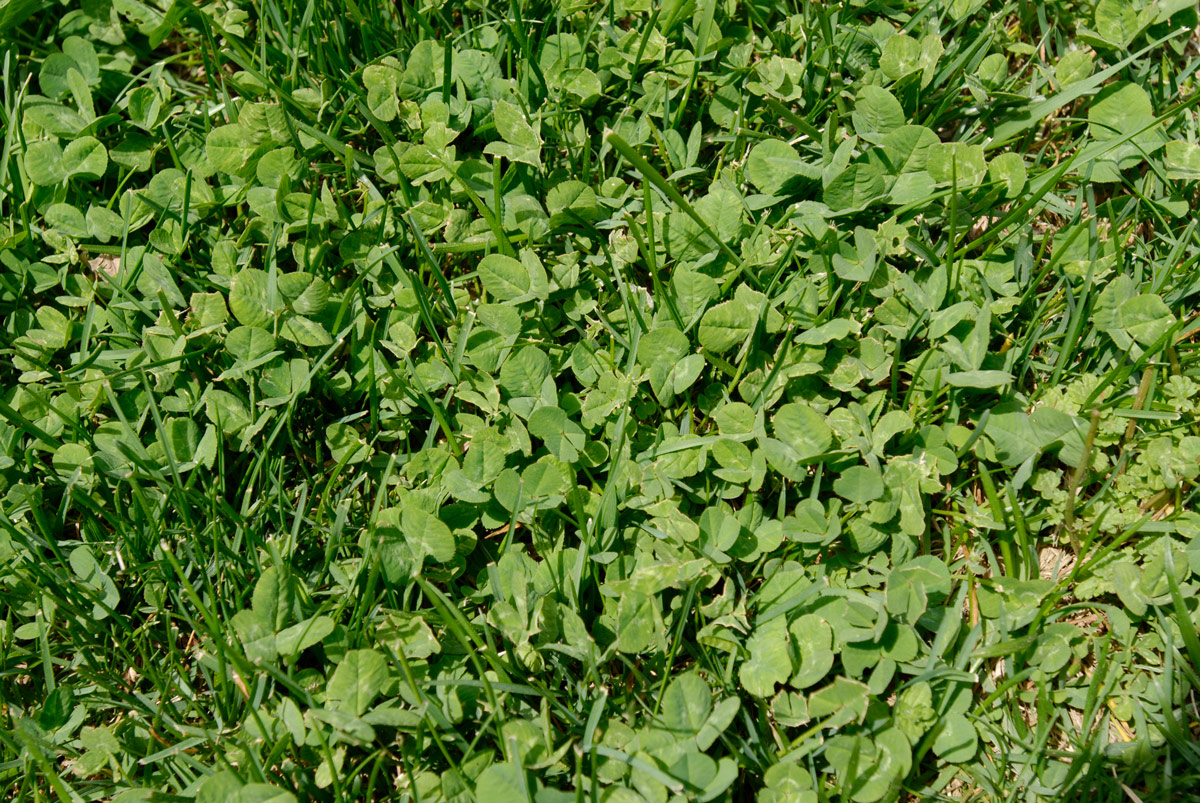
Image Source: naturalawn.com
Why Does Clover Appear in My Lawn?
Before we discuss how to kill clover in the lawn, it’s helpful to understand why it appears in the first place. Clover, particularly white clover (Trifolium repens), is a hardy perennial plant that thrives in specific lawn conditions. Fathoming these conditions is the first step towards successful clover eradication.
- Poor Soil Fertility: Clover is excellent at fixing nitrogen from the air into the soil. If your lawn’s soil lacks essential nutrients, especially nitrogen, clover will readily take advantage of this deficiency. Healthy, well-fertilized grass will outcompete clover.
- Low Mowing Heights: Mowing your grass too short stresses the turfgrass, making it weaker and more susceptible to weed invasion. Clover, with its low-growing habit, can then spread more easily.
- Compacted Soil: Heavily compacted soil restricts air, water, and nutrient penetration to grass roots. This weakens the turf and creates an ideal environment for shallow-rooted weeds like clover to establish.
- Drought or Under-watering: Grass struggles in dry conditions. When the turf is stressed from lack of water, clover, being more drought-tolerant, can gain a foothold and spread.
- Excessive Thatch: A thick layer of thatch (dead organic matter) on your lawn can prevent water and nutrients from reaching the soil, weakening the grass roots and favoring clover.
Clover Removal: A Multi-Pronged Approach
Effective clover removal isn’t usually a one-time fix. It requires a consistent approach that addresses the underlying issues allowing clover to thrive. We’ll explore various methods, from manual pulling to chemical treatments, focusing on the most effective strategies for clover control.
Method 1: Manual Clover Removal
For small patches of clover, manual removal can be surprisingly effective. This is the most natural way to deal with the problem.
- Best Tools: A garden trowel, a weeding fork, or a specialized dandelion digger works well for getting under the root ball.
- When to Pull: The ideal time to pull clover is when the soil is moist, making it easier to extract the entire plant, including its root system. Avoid pulling when the soil is dry and hard, as this often breaks the roots, leaving some behind to regrow.
- Technique: Insert the tool around the base of the clover plant and gently pry it upwards, trying to lift out the entire root. Dispose of the pulled clover in a bag to prevent seeds from spreading.
- Pros: Eco-friendly, no chemicals, immediate results for small areas.
- Cons: Time-consuming for large infestations, may not remove all roots, can leave bare spots.
Method 2: Improving Lawn Health for Natural Clover Control
The most sustainable way to achieve long-term clover eradication is by creating a dense, healthy lawn that can naturally outcompete clover. This is a core principle of good lawn care for clover infestations.
1. Proper Mowing:
* Height: Mow your grass at the higher end of its recommended range. For most cool-season grasses like fescue and bluegrass, this means mowing at 3-3.5 inches. This shade the soil, keeping it cooler and moister, and helps the grass blades crowd out weeds.
* Sharp Blades: Always use sharp mower blades. Dull blades tear grass, leaving it vulnerable to disease and stress, which clover loves.
2. Regular Fertilization:
* Nutrient Balance: A balanced fertilizer program is crucial. Clover thrives on low nitrogen. By feeding your grass a suitable fertilizer, you encourage vigorous growth that can push clover out.
* Soil Testing: Consider getting a soil test. This will tell you exactly what nutrients your lawn needs. A test can identify low nitrogen levels or other deficiencies that are contributing to the clover problem.
* Timing: Fertilize at the recommended times for your grass type, typically spring and fall for cool-season grasses.
3. Effective Watering:
* Deep and Infrequent: Water deeply but less often. Aim to moisten the soil 4-6 inches down. This encourages grass to develop deep roots, making it more resilient to drought and better able to compete.
* Avoid Shallow Watering: Frequent, shallow watering keeps grass roots near the surface, making them prone to drying out and susceptible to weeds like clover.
4. Aeration:
* Compacted Soil: If your soil is compacted, aeration is a must. Aeration involves removing small cores of soil from the lawn, allowing air, water, and nutrients to reach the root zone.
* Frequency: Aerate at least once a year, especially if you have heavy clay soil or high-traffic areas. This greatly improves grass health and its ability to fight off invaders like clover.
5. Dethatching:
* Thatch Layer: A thatch layer thicker than half an inch can smother grass. Dethatching (or power raking) removes this layer, allowing better moisture and nutrient penetration.
* Timing: Dethatch when your grass is actively growing, usually in the fall or early spring.
Method 3: Chemical Clover Control (Herbicides)
When manual methods and improving lawn health aren’t enough, chemical treatments can be effective for clover eradication. The key is to use the right clover killer, applied correctly.
Types of Weed Killers for Clover:
-
Broadleaf Herbicides: Clover is a broadleaf weed. Most broadleaf herbicides will kill it. Look for products specifically labeled for use on lawns and effective against clover.
- Common Active Ingredients:
- 2,4-D: A widely used broadleaf herbicide that is effective against clover.
- MCPP (Mecoprop): Often found in combination with 2,4-D.
- Dicamba: Another effective broadleaf herbicide.
- Triclopyr: Particularly useful for tougher broadleaf weeds and can be effective on clover.
- Quinclorac: While often known for crabgrass control, it can also manage clover.
- Common Active Ingredients:
-
Selective vs. Non-Selective Herbicides:
- Selective Herbicides: These are designed to kill weeds without harming your desirable lawn grasses. This is usually the preferred option for clover control in lawns.
- Non-Selective Herbicides (e.g., Glyphosate): These will kill any plant they come into contact with, including your grass. Use these with extreme caution, only spot-treating clover and protecting surrounding grass.
Application Tips for Effective Clover Killer:
- Read the Label: This is the most important step. Always read and follow the product label instructions carefully. The label will specify target weeds, application rates, safety precautions, and the best time to apply.
- Timing is Crucial:
- Best Time: Apply when clover is actively growing and before it sets seed. This is typically in the spring after the clover has bloomed and in the fall before the first frost.
- Temperature: Avoid applying when temperatures are very hot (above 85°F or 29°C) or when rain is expected within 24-48 hours.
- Grass Health: Ensure your lawn grass is healthy and not stressed from drought or heat.
- Application Method:
- Spray: Use a garden sprayer for even coverage.
- Granular: Some products are granular and applied with a spreader.
- Spot Treatment vs. Broadcast:
- Spot Treatment: For small, isolated patches of white clover removal, spot treatment with a spray is efficient.
- Broadcast: For widespread infestations, a broadcast application might be necessary, but always ensure the product is safe for your turf type.
- Repeat Applications: Depending on the product and the severity of the infestation, you may need to reapply the herbicide after a few weeks.
Considerations for Using Herbicides:
- Turf Type: Ensure the herbicide is safe for your specific type of lawn grass. Some herbicides can damage certain grass species.
- Environmental Impact: Be mindful of the environmental impact. Avoid spraying near water sources or during windy conditions.
- Pets and Children: Keep pets and children off the treated lawn until the spray has dried and is no longer visible on the grass blades.
Method 4: Natural and Organic Approaches to Clover Control
For those who prefer to avoid chemical herbicides, several natural methods can contribute to clover eradication. These often focus on creating a less hospitable environment for clover.
- Corn Gluten Meal: This is a pre-emergent that can inhibit root formation in germinating seeds, including clover seeds. Apply it in early spring before clover seeds have a chance to sprout. It also provides nitrogen to the lawn.
- Vinegar (Horticultural Strength): Horticultural vinegar (10-20% acetic acid) can kill clover on contact. However, it is a non-selective herbicide and will also damage your grass. Use with extreme caution for spot treatments and be prepared to reseed any grass that is affected. Standard household vinegar (5%) is generally not strong enough.
- Boiling Water: Pouring boiling water directly on clover can kill it, but like vinegar, it will also kill the grass around it. This is only practical for very small, isolated patches.
- Healthy Lawn Practices (Reiterated): The most effective “natural” method is really the cornerstone of all lawn care: fostering a dense, healthy turf through proper mowing, watering, and fertilization. A strong lawn will crowd out clover on its own.
White Clover Removal: Specific Strategies
White clover removal often requires focusing on the specific characteristics of this ubiquitous weed.
Understanding White Clover’s Lifecycle
White clover reproduces through seeds and by creeping stems (stolons) that root where they touch the soil. This means even small pieces of the plant left behind can regrow.
- Seeding: It produces small white flowers that attract pollinators, leading to seed production.
- Stoloniferous Growth: Its ability to spread via stolons allows it to form dense patches and spread rapidly across a lawn.
Best Way to Get Rid of White Clover
The best approach for white clover removal combines:
- Manual Removal: Digging out the plant and its stolons before it flowers and seeds.
- Chemical Treatment: Using a selective broadleaf herbicide that targets clover without harming grass. Products containing 2,4-D, MCPP, and dicamba are generally effective against white clover.
- Lawn Health: Implementing the lawn health practices mentioned earlier will naturally suppress white clover over time. A thick turf is your best defense.
Tackling Dense Clover Infestations
If your lawn is heavily infested with clover, a more aggressive approach might be necessary.
Step-by-Step Plan for Severe Clover Problems:
Phase 1: Preparation and Initial Treatment
- Mow Appropriately: Mow your lawn slightly higher than usual a week or two before any planned treatment. This encourages grass growth and can stress the clover.
- Choose Your Weapon:
- For Chemical Treatment: Select a broadleaf herbicide specifically labeled for clover and safe for your grass type. Consider a combination product for broader weed control.
- For Natural/Manual: Prepare to manually pull or use a strong, natural weed killer.
- Apply Herbicide (if chosen):
- Follow label instructions precisely. Apply on a calm day when temperatures are moderate.
- Ensure good coverage of the clover patches.
Phase 2: Post-Treatment and Lawn Recovery
- Observe and Repeat: Monitor the treated areas. Clover may take a week or two to die. If the clover is still alive and actively growing, a second application may be needed, typically 2-3 weeks later.
- Remove Dead Weeds: Once the clover is dead, rake it out to remove the debris. This also helps loosen the soil.
- Overseed Bare Spots: Clover often leaves bare patches. Fill these in by overseeding with a quality grass seed mix suitable for your region.
- Fertilize: Apply a starter fertilizer to encourage new grass growth in the overseeded areas.
Phase 3: Long-Term Clover Control and Prevention
- Continue Lawn Health Practices: Consistently apply the principles of proper mowing, watering, and fertilization. This is your ongoing defense against clover.
- Regular Aeration and Dethatching: Address soil compaction and thatch buildup annually.
- Monitor: Keep an eye out for new clover sprouts and address them quickly before they establish large patches.
Clover Killer: What to Look For
When selecting a clover killer, consider the following:
- Target Weeds: Ensure “clover” is listed on the product label.
- Turf Safety: Verify that the herbicide is safe for your specific grass type (e.g., Kentucky bluegrass, fescue, perennial ryegrass, St. Augustine, Bermuda grass).
- Active Ingredients: Look for common broadleaf weed killers like 2,4-D, MCPP, Dicamba, or Triclopyr.
- Formulation: Choose between liquid concentrates (diluted with water and sprayed) or ready-to-use sprays, granular products, or weed-and-feed products (which combine fertilizer and herbicide).
Table: Common Herbicides Effective Against Clover
| Active Ingredient | Type of Herbicide | Notes |
|---|---|---|
| 2,4-D | Selective | Broadleaf weed killer, common in many lawn products. |
| MCPP (Mecoprop) | Selective | Often combined with 2,4-D, effective against clover and other broadleaf weeds. |
| Dicamba | Selective | Effective against a wide range of broadleaf weeds, including clover. |
| Triclopyr | Selective | Particularly good for tougher broadleaf weeds, often found in brush killers, but safe for many turf types. |
| Quinclorac | Selective | Primarily known for crabgrass control, but also effective on some broadleaf weeds like clover. |
| Glyphosate | Non-Selective | Kills all plants. Use only for spot treatment with extreme care, avoiding any desirable grass. |
Frequently Asked Questions (FAQ)
Q1: Will clover hurt my grass?
A1: Clover itself doesn’t directly harm your grass, but its presence usually indicates underlying lawn health issues that are detrimental to your grass. A thick, healthy lawn will naturally outcompete clover.
Q2: Is clover good or bad for my lawn?
A2: Clover has benefits, such as adding nitrogen to the soil and providing food for pollinators. However, most homeowners consider it a weed because it creates an uneven appearance and can thrive in conditions that weaken turfgrass.
Q3: Can I use a “weed and feed” product to kill clover?
A3: Yes, many “weed and feed” products contain broadleaf herbicides that are effective against clover. Ensure the product is suitable for your grass type and follow application instructions carefully, especially regarding fertilization timing.
Q4: How long does it take for weed killer to kill clover?
A4: Typically, you’ll see signs of wilting and yellowing within a few days to a week. Complete death can take 1-3 weeks, depending on the product, application rate, and weather conditions.
Q5: Should I remove clover before it flowers?
A5: Yes, it’s best to remove clover before it flowers and goes to seed. This prevents it from spreading further through seeds. Manual removal or herbicide application is most effective before flowering.
Q6: What is the best time of year to treat clover?
A6: The best times for clover treatment are typically spring (after the clover has started actively growing and flowering) and fall (before the first hard frost). These periods allow the herbicide to be absorbed effectively.
Q7: My lawn has a lot of clover. What’s the quickest way to get rid of it?
A7: For rapid clover eradication, a combination approach is usually fastest:
1. Apply a selective broadleaf herbicide specifically labeled for clover.
2. After the clover dies and is raked out, overseed any bare spots with quality grass seed.
3. Maintain excellent lawn health practices to prevent regrowth.
By employing these expert tips, you can effectively tackle clover in your lawn and cultivate a healthier, greener, and more weed-free turf. Remember that consistent care and addressing the root causes are key to successful clover control and long-term lawn health.