
Can you get rid of mushrooms in your yard? Yes, you absolutely can! While lawn mushrooms and toadstools might seem like a sudden and unwelcome addition to your otherwise pristine lawn, they are usually a sign of underlying conditions that can be addressed. This guide will help you tackle those unsightly growths and promote a healthier lawn.
Mushrooms in your yard are the fruiting bodies of fungi that live underground. Their appearance is often a sign of a healthy, albeit sometimes overly moist, soil environment. While not all fungi are harmful to your lawn, the presence of mushrooms can indicate issues like excessive moisture, decaying organic matter, or compacted soil. Dealing with them involves a two-pronged approach: removing the visible mushrooms and addressing the conditions that encourage their growth. This comprehensive guide will walk you through identifying yard fungi, effective removal methods, and crucial prevention strategies for long-term lawn health.
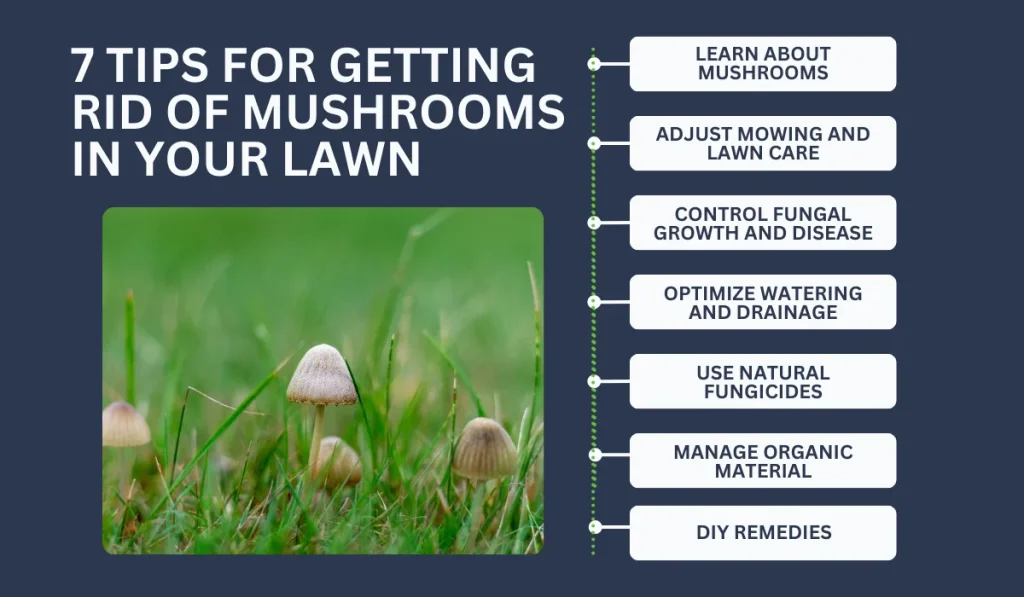
Image Source: sodlawn.com
Why Do Mushrooms Pop Up in My Lawn?
Mushrooms, also known as toadstools when they are the umbrella-shaped variety, are the reproductive structures of fungi. These fungi have an extensive network of thread-like hyphae that live and grow within the soil. When conditions are right – typically moist and with plenty of decaying organic matter – these hyphae produce the mushrooms we see above ground.
Several factors contribute to mushroom growth:
- Moisture: Fungi thrive in damp conditions. Heavy rainfall, overwatering, or poor drainage can create the ideal environment for mushrooms.
- Decaying Organic Matter: Mushrooms are decomposers. They break down dead plant material like fallen leaves, grass clippings, buried wood, or even animal droppings. If your soil has a lot of this material, it provides a food source for fungi.
- Compacted Soil: Soil that is too dense makes it hard for water and air to penetrate. This can lead to waterlogging at the surface, fostering fungal growth.
- Shady Areas: Areas of your lawn that receive less sunlight tend to stay moist for longer periods, making them more prone to mushrooms.
- Specific Soil Types: Some soil types retain moisture more readily, increasing the likelihood of mushroom appearances.
Common Lawn Mushrooms and Identifying Yard Fungi
While it’s not always necessary to identify the specific type of mushroom to remove it, knowing what you’re dealing with can be helpful. Most lawn mushrooms are harmless to humans and pets, but some can be toxic if ingested. It’s crucial to exercise caution and never allow children or pets to eat any mushrooms found in the yard.
Here are a few common types you might encounter:
- Fairy Rings: These are circular or arc-shaped rings of darker green grass, often with mushrooms growing along the outer edge. They are caused by certain soil fungi that spread outwards from a central point.
- Ink Caps: These mushrooms start as tall, slender structures and then “melt” into an inky black liquid a few days after appearing.
- Field Mower’s Mane: Small, yellowish to brownish mushrooms that often grow in clusters on lawns, particularly in areas with decaying organic matter.
- Puffballs: These are round or pear-shaped fungi that release powdery spores when disturbed. Young, white puffballs are generally edible, but it’s best to err on the side of caution in a lawn setting.
Important Note: If you are unsure about the identification of a mushroom and suspect it might be toxic, it’s best to treat it with extreme care. Avoid direct contact without gloves.
How to Get Rid of Mushrooms in Your Yard: Removal and Control
Getting rid of lawn mushrooms involves both immediate removal of the visible fungi and addressing the underlying environmental factors that encourage their growth.
Quick Removal Strategies (DIY Mushroom Removal)
The most straightforward way to remove mushrooms is to physically remove them.
- Hand-Pulling: The simplest method is to pull mushrooms up by the base. Wear gloves, especially if you are unsure of the mushroom type. After pulling, you can discard them in a sealed bag in the trash. Avoid composting them, as the spores could potentially spread.
- Digging Them Out: For mushrooms with more substantial underground structures (mycelium), you might need to dig them out. Use a trowel or spade to carefully remove the mushroom and a small amount of surrounding soil.
- Mowing (with Caution): While mowing can temporarily remove mushrooms, it’s not a long-term solution. The spores will likely remain in the soil, and the mushrooms will return. Furthermore, if any mushrooms are toxic, spreading their spores via mowing can be problematic.
It’s important to remember that simply removing the visible mushroom won’t prevent new ones from appearing if the conditions are still favorable.
Fungus Control: Addressing the Root Cause
Effective fungus control focuses on creating an environment that is less hospitable to mushrooms.
1. Manage Moisture Levels
- Improve Drainage: If your lawn holds water, consider improving drainage. This might involve amending your soil with organic matter (like compost) to improve its structure or installing a drainage system in severely problematic areas.
- Water Wisely: Water your lawn deeply but infrequently, rather than shallowly and often. This encourages deeper root growth and allows the soil surface to dry out between waterings, discouraging surface-level fungal activity. Water in the morning so the grass has time to dry before evening.
- Check Sprinkler Systems: Ensure your sprinklers are not overwatering any specific areas of your lawn. Adjust the timing and coverage as needed.
2. Remove Decaying Organic Matter
- Rake Leaves and Grass Clippings: Regularly clear fallen leaves and accumulated grass clippings. These provide food and moisture for fungi.
- Remove Buried Wood: If you know there’s buried wood or roots on your property, these can be significant food sources for fungi. While removing large buried items can be difficult, smaller pieces should be removed when discovered.
- Address Pet Waste: Promptly clean up pet droppings, as these can also contribute to fungal growth.
3. Enhance Soil Health
- Soil Aeration: Compacted soil restricts air and water flow, creating damp conditions that fungi love. Aerating your lawn, especially in spring or fall, helps to alleviate compaction. This can be done with a core aerator or spike aerator.
- Thatch Removal: Thatch is a layer of dead and living stems, roots, and crowns that builds up between the soil surface and the green blades of grass. A thick thatch layer can retain moisture and provide a habitat for fungi. Dethatching your lawn, often done with a power rake or a verticutter, removes this buildup.
4. Sunlight and Airflow
- Prune Overhanging Branches: If certain areas of your lawn are constantly shaded and damp due to overgrown trees or shrubs, consider pruning back some of the branches to allow more sunlight and air circulation.
When to Consider Professional Help
For severe or persistent mushroom problems, or if you suspect toxic varieties are present, you might consider consulting a lawn care professional. They can help diagnose underlying soil issues and recommend appropriate treatments.
Mushroom Prevention: Keeping Your Lawn Clear Long-Term
Preventing mushrooms is about maintaining optimal lawn health and consistently managing the factors that encourage fungal growth.
Cultivating a Healthy Lawn
A robust, healthy lawn is naturally more resistant to fungal problems. Focus on these practices:
- Proper Mowing: Mow your lawn at the correct height for your grass type. Cutting too short can stress the grass and make it more susceptible to diseases and fungal growth.
- Appropriate Fertilization: Feed your lawn with the right nutrients. Over-fertilizing, especially with high-nitrogen fertilizers, can sometimes encourage rapid, lush growth that is more prone to fungal issues. Follow a soil test recommendation for balanced fertilization.
- Overseeding: Overseeding thin or bare patches in your lawn helps create a denser turf, which competes better with weeds and fungi and can improve soil structure.
Regular Lawn Maintenance Practices
Consistent upkeep is key to preventing recurrent mushroom outbreaks.
- Regular Inspection: Keep an eye on your lawn and address small issues before they become big problems. Notice any unusual patches of growth or recurring damp spots.
- Seasonal Cleanup: Make it a habit to rake leaves in the fall and clear away excessive grass clippings during mowing season.
- Aeration and Dethatching Schedule: Incorporate aeration and dethatching into your annual lawn care routine. The frequency will depend on your soil type and grass growth, but typically once a year or every other year is sufficient.
Organic Lawn Care Approaches
Many organic lawn care practices naturally discourage mushroom growth by promoting healthy soil biology.
- Composting (for Soil Amendment): While you shouldn’t compost lawn mushrooms, adding well-rotted compost to your lawn soil improves its structure, drainage, and the presence of beneficial soil microbes that can outcompete harmful fungi.
- Avoiding Harsh Chemicals: Over-reliance on synthetic fertilizers and pesticides can sometimes disrupt the natural balance of your soil’s ecosystem, potentially creating more favorable conditions for certain fungi in the long run.
Frequently Asked Questions (FAQ)
Q1: Are mushrooms in my lawn dangerous?
A1: Most mushrooms found in lawns are not directly harmful to your grass. However, some species can be toxic if ingested by pets or children. It is always best to err on the side of caution and prevent pets and children from eating any mushrooms found in the yard.
Q2: Will mowing my lawn get rid of mushrooms?
A2: Mowing will remove the visible mushroom caps temporarily, but it does not address the underlying fungal mycelium in the soil. Mushrooms will likely return if the conditions that encourage their growth are not managed.
Q3: Can I use chemicals to get rid of lawn mushrooms?
A3: While chemical fungicides are available, they are often not the most effective long-term solution for lawn mushrooms, as they don’t address the root cause (moisture, organic matter, soil compaction). Furthermore, chemical treatments can sometimes harm beneficial soil organisms. Focusing on improving lawn health and environmental conditions is generally a more sustainable approach.
Q4: How often should I aerate and dethatch my lawn?
A4: The frequency depends on your specific lawn conditions. For most lawns, aeration once a year (in the spring or fall) and dethatching every 1-3 years is sufficient. Heavily compacted soils or those with excessive thatch buildup may require more frequent treatment.
Q5: My lawn has fairy rings. How do I get rid of them?
A5: Fairy rings are caused by specific soil fungi. For small fairy rings, you can try digging out the affected soil to a depth of about 12 inches and replacing it with fresh topsoil. For larger or persistent fairy rings, improving soil aeration, proper watering, and dethatching can help manage them over time. Sometimes, fungicides applied at the correct time can help break the cycle.
By understanding why mushrooms appear and taking a proactive approach to lawn maintenance, you can effectively manage and prevent these common lawn invaders, leading to a healthier and more beautiful yard.