
What is yard leveling? Yard leveling is the process of creating a flat or gently sloped surface for your lawn and garden. Can I level my yard myself? Yes, you can level your yard yourself with the right tools and techniques. Who is yard leveling for? It’s for any homeowner who wants to improve their lawn’s appearance, function, and drainage.
A beautiful, even lawn is the dream for many homeowners. It’s not just about aesthetics; a level yard offers practical benefits like better drainage and easier mowing. If your lawn has dips, bumps, or slopes that cause water to pool or run off too quickly, it’s time to consider yard grading. This process, also known as land leveling, transforms uneven terrain into a smooth, functional space. Whether you’re dealing with minor imperfections or significant grading challenges, this guide will walk you through the simple steps to achieve a perfect lawn.
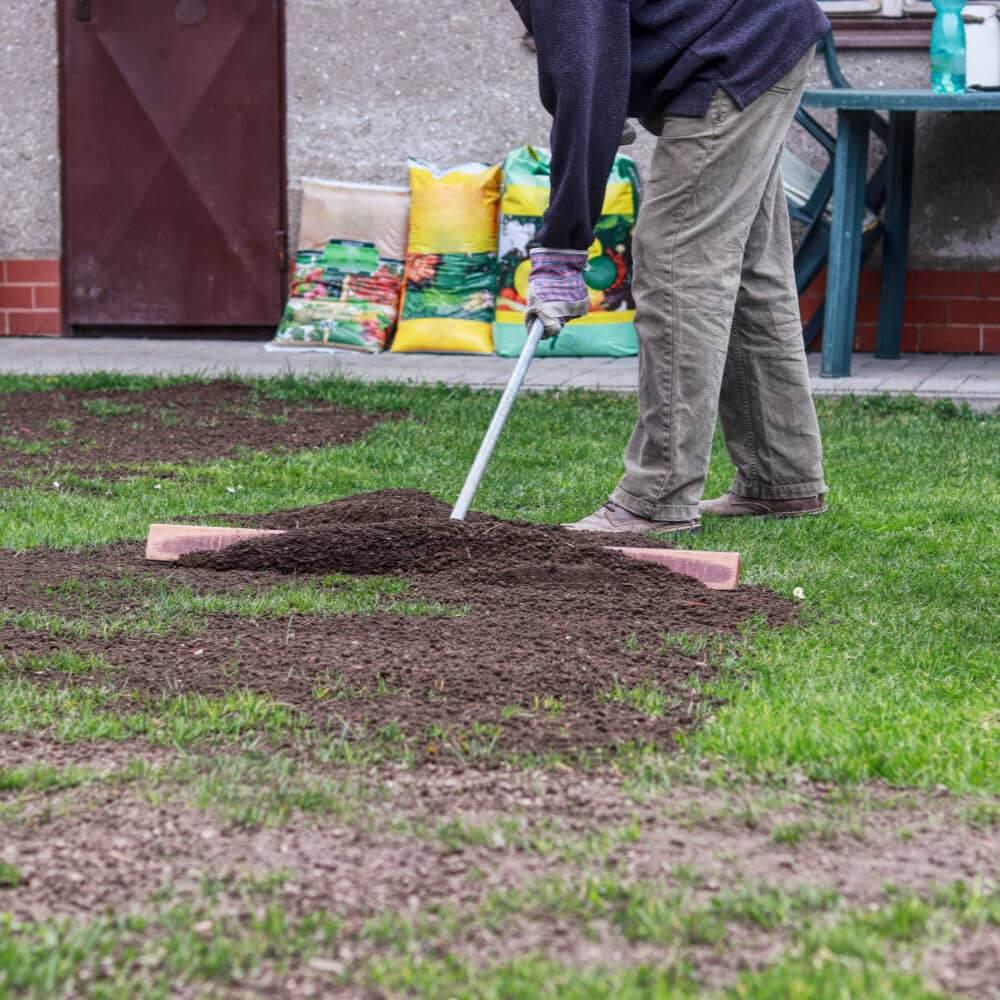
Image Source: dam.thdstatic.com
Why Level Your Yard? The Core Benefits
Achieving a level yard goes beyond just looks. Proper yard grading addresses several common lawn issues and significantly enhances your outdoor space.
Improved Drainage
One of the most crucial benefits of a level yard is its effect on drainage. When your lawn slopes incorrectly, water can pool in low spots, leading to:
- Root rot: Excess water suffocates plant roots, making them susceptible to disease.
- Mosquito breeding grounds: Stagnant water is a perfect environment for mosquitoes to lay eggs.
- Erosion: Water runoff can carry away valuable topsoil, damaging your lawn and potentially affecting neighboring properties.
A well-leveled yard directs water away from your home’s foundation and evenly distributes it across the landscape, promoting healthy plant growth.
Enhanced Usability and Aesthetics
A flat or gently sloping surface makes your yard much more enjoyable and functional. Consider these advantages:
- Easier mowing: Uneven terrain makes mowing difficult and can damage your mower. A level lawn allows for smooth, consistent cuts.
- Better play areas: Kids and pets have a safer, more enjoyable space to play when the ground is even.
- Improved landscaping options: Level ground is ideal for planting gardens, installing patios, or setting up outdoor furniture. It provides a stable base for any project.
- Visual appeal: A smooth, even lawn looks polished and well-maintained, boosting your home’s curb appeal.
Preventing Soil Compaction Issues
While soil compaction can occur for various reasons, uneven surfaces can exacerbate the problem. Heavy foot traffic or equipment use on slopes can press soil particles closer together, restricting air and water flow to plant roots. Leveling can help distribute pressure more evenly, reducing the likelihood of severe compaction in specific areas. This allows for better root penetration and overall soil health.
Preparing for the Project: Site Preparation Essentials
Before you grab a shovel, thorough site preparation is key. This step ensures your leveling project is efficient and effective.
Assessing Your Yard’s Current State
Take a good look at your lawn. Identify the problem areas:
- Low spots: Where does water collect after rain?
- High spots: Are there mounds or bumps that disrupt the flow?
- Slopes: Are there areas that are too steep or drain too quickly?
A simple way to check is by using a long level or a straight board and stakes. Place the level on the ground in different areas. Where the level doesn’t sit flat, you have an uneven spot. Mark these areas with stakes or spray paint.
Gathering Your Tools
The right tools make the job easier and the results better. For most DIY leveling projects, you’ll need:
- Shovel: A sturdy flat-edged shovel is essential for moving soil.
- Rake: A heavy-duty garden rake or landscape rake is used for spreading and smoothing soil.
- Wheelbarrow: To transport soil and debris.
- Garden hose or sprinkler: To identify low spots by observing where water collects.
- Measuring tape and stakes: For marking areas and checking slopes.
- Level (long carpenter’s level or transit level): To ensure flatness.
- Optional (for larger projects):
- Tiller: To loosen compacted soil.
- Power tamper or roller: To compact the soil after leveling.
- Grading rake: A specialized tool for efficient leveling.
- Sod cutter: If you plan to remove and replace sod.
Understanding Drainage Patterns
Observe how water flows across your yard during and after rain. This will help you identify areas that need attention and plan your grading strategy. You want to create a subtle slope away from your house and any structures, guiding water towards designated drainage areas like French drains or lower parts of your property.
Clearing the Area
Remove any obstacles from the areas you plan to level. This includes:
- Debris: Rocks, branches, leaves, and any other clutter.
- Existing vegetation: Depending on the scale of the project, you might need to remove sod or overgrown plants. A sod cutter is helpful for large areas, or you can simply dig it out with a shovel.
The Step-by-Step Guide to Land Leveling
Once you’re prepared, it’s time to start the regrading yard process. The goal is to fill low spots and shave down high spots to create an even surface.
Step 1: Addressing Low Spots (Filling)
Low spots are the most common culprits for water accumulation.
Simple Filling Technique
- Gather Topsoil: You’ll need good quality topsoil addition to fill these areas. Estimate how much soil you need by measuring the depth and area of the low spot. A general rule of thumb is to fill low spots in layers, no more than 4-6 inches at a time.
- Spread the Soil: Use your shovel and wheelbarrow to bring the topsoil to the low spot.
- Distribute Evenly: Spread the soil with a rake.
- Slightly Overfill: It’s often recommended to slightly overfill low spots, as the soil will settle over time due to gravity and potential soil compaction.
- Water and Compact: Lightly water the area. This helps the soil settle. You can then use a tamper or roller to firm it up. If you don’t have a tamper, stepping on the soil repeatedly can help.
Important Considerations for Filling
- Avoid Burial: Don’t fill low spots so high that you bury the crowns of trees or shrubs, as this can kill them. Keep soil a few inches away from tree trunks.
- Soil Type: Use a good blend of topsoil and compost if possible. This soil amendment improves drainage and nutrient content.
- Layering: For deeper fills, add soil in layers. This prevents the fill from becoming too loose and creating a void space that can sink later.
Step 2: Addressing High Spots (Shaving)
High spots are areas where excess soil needs to be removed.
Simple Shaving Technique
- Loosen the Soil: Use your shovel to loosen the soil in the high spot. If the area is very compacted, you might want to use a garden fork or tiller first to break up the soil.
- Remove Excess Soil: Shovel the loosened soil into your wheelbarrow.
- Redistribute or Remove: You can use the removed soil to fill other low spots in your yard, or haul it away if you have too much.
- Smooth the Surface: Use your rake to smooth the area where you removed the soil.
Important Considerations for Shaving
- Gentle Slopes: When shaving down high spots, aim for gentle slopes rather than creating sudden drops. This blends the area seamlessly with the surrounding terrain.
- Root Systems: Be mindful of shallow tree or shrub roots when digging. Try to avoid cutting through them.
- Gradual Changes: Make changes gradually. It’s easier to remove more soil than to add it back if you take off too much.
Step 3: Raking and Smoothing
Once the major filling and shaving are done, it’s time for the finishing touches.
The Smoothing Process
- Use a Landscape Rake: A long-handled landscape rake is ideal for spreading soil evenly and removing any remaining small lumps or debris.
- Work in Sections: Move across your yard systematically, raking in one direction.
- Feather Edges: When you blend a leveled area with an existing slope, feather the edges of the added soil so there isn’t a sudden drop or mound.
- Check for Flatness: Periodically use your long level or straight board to check your work and ensure the surface is becoming as flat as you desire.
Step 4: Final Compaction
Compaction is crucial to prevent settling and ensure a stable surface.
Compacting Your Levelled Yard
- Hand Tamper: For smaller areas, a hand tamper works well. It’s a heavy flat plate on a handle that you repeatedly lift and drop.
- Roller: A lawn roller, filled with water or sand, is excellent for larger areas. You can rent these if you don’t own one.
- Foot Power: For very small touch-ups, walking firmly over the area helps.
The goal is to create a firm surface that won’t sink significantly when you walk on it.
Step 5: Re-Seeding or Re-Sodding
After leveling and compacting, your yard will likely have bare patches.
Bringing Back the Green
- Seeding: If you’re seeding, prepare the soil surface by lightly raking it. Spread grass seed according to the package directions. Then, gently rake the seed into the soil. Water the area regularly to encourage germination.
- Sodding: For an instant lawn, lay down new sod. Ensure the soil beneath the sod is firm and slightly moist. Lay sod strips tightly together, staggering the seams like bricks. Water the new sod thoroughly.
Advanced Land Leveling Techniques and Considerations
For more significant grading challenges or when dealing with specific landscaping goals, you might need more advanced methods or professional help.
Addressing Large Slopes and Significant Grade Changes
If you have a yard with substantial slopes, DIY methods might be insufficient.
When to Call the Pros
- Major Earth Moving: If you need to move large volumes of soil, heavy machinery like a bobcat or excavator might be necessary. This is typically best left to professional landscaping services.
- Complex Drainage Issues: If your property has persistent drainage problems, a professional can design and implement a comprehensive drainage solutions system.
- Building Foundations: If grading is near your house’s foundation, ensuring proper slope away from the foundation is critical. Professionals have the expertise to manage this carefully.
- Large Properties: For extensive landscape leveling, the scale of the work often requires professional equipment and manpower.
A professional landscaping company can provide expert site preparation and grading services, ensuring the job is done correctly and efficiently. They can also advise on the best soil types for your climate and needs, including appropriate soil amendment strategies.
Utilizing Soil Amendment for Better Results
Even after leveling, enriching your soil is vital for a healthy lawn.
The Importance of Soil Amendment
- Nutrient Boost: Adding compost or other organic matter provides essential nutrients that grass needs to thrive.
- Improved Soil Structure: Amendments can help break up heavy clay soils, improving aeration and drainage, or help sandy soils retain more moisture and nutrients.
- pH Balance: Testing your soil’s pH and adding amendments like lime or sulfur can correct imbalances, making nutrients more available to plants.
When you add topsoil addition, consider mixing it with compost for the best results. This is part of good soil amendment practice.
Managing Water Runoff During the Project
During the grading process, you might temporarily alter natural water flow.
Keeping Water in Check
- Temporary Berms: You can create temporary earth berms (small mounds of soil) to redirect water away from newly graded areas or structures.
- Silt Fences: If you’re removing a significant amount of soil or working on a slope, installing silt fences can prevent soil erosion from washing into storm drains or neighboring properties.
Maintaining Your Level Lawn
Once your yard is leveled, ongoing maintenance will keep it looking its best.
Regular Mowing and Watering
- Mowing: Mow at the correct height for your grass type. Avoid cutting too much at once.
- Watering: Water deeply and less frequently to encourage strong root growth. Ensure your watering is even and doesn’t create new low spots.
Aeration and Dethatching
- Aeration: Periodically aerating your lawn relieves soil compaction and allows air, water, and nutrients to reach the roots.
- Dethatching: Removing thatch (dead grass clippings and organic matter) prevents a thick layer from building up, which can hinder water and air penetration.
Top Dressing
- Top Dressing: Applying a thin layer of compost or a soil-grass seed mix can help fill in any minor depressions that may appear over time and further improve soil health. This is a form of soil amendment that maintains your level yard.
Frequently Asked Questions (FAQ)
Q1: How deep do I need to level my yard?
A1: The depth varies. For minor dips, a few inches of topsoil addition might be enough. For more significant changes, you might need to remove or add a foot or more of soil, especially if significant yard grading is required.
Q2: How long does it take to level a yard?
A2: For a small to medium-sized yard with minor issues, you can often complete the land leveling in a weekend. Larger areas or more complex grading can take several days or weeks, and professional help might be needed.
Q3: Can I level my yard if it has a significant slope?
A3: Yes, but it becomes more challenging. You may need to create terraces or retaining walls for very steep slopes. This often requires professional landscaping expertise.
Q4: What is the best time of year to level a yard?
A4: The best time is usually in early spring or early fall when the weather is mild, and there is adequate moisture for new grass to grow. This also helps avoid extreme heat or cold which can stress newly planted grass.
Q5: How do I know if my yard needs leveling?
A5: Look for signs of poor drainage, such as standing water after rain, moss growth in damp areas, or uneven grass growth. If mowing is difficult due to bumps, it’s also a sign.
By following these steps and considering the advice provided, you can transform your uneven yard into a perfectly level, beautiful, and functional outdoor space. Happy leveling!