
A yard of fabric is a unit of length, measuring three feet or 36 inches. However, its width is not standardized and varies significantly depending on the type of fabric and its intended use. The width of fabric on a bolt is crucial for calculating how much material you’ll need for a project, as it dictates how efficiently you can cut pattern pieces.
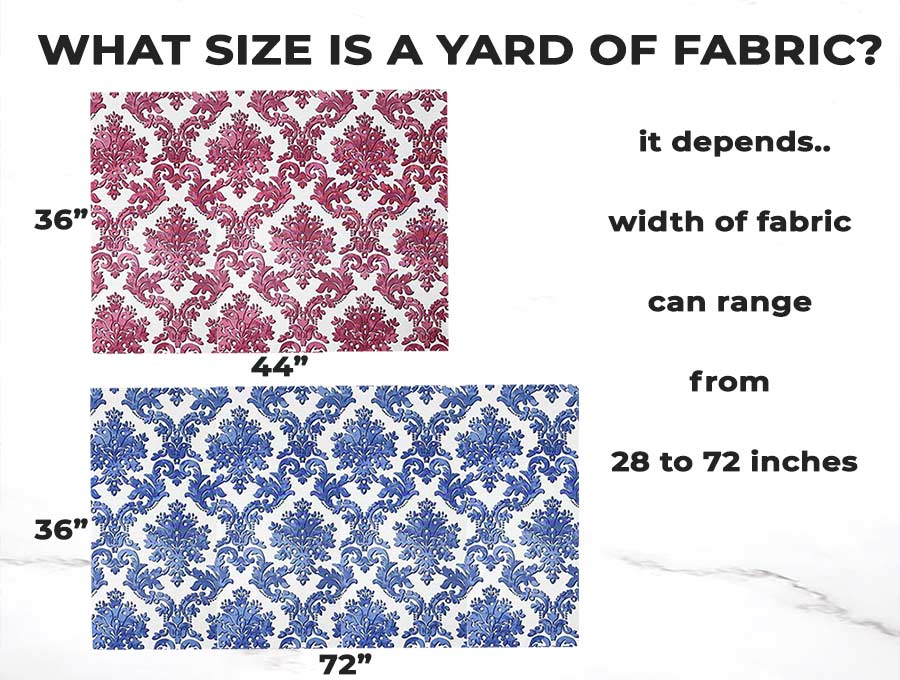
Image Source: hellosewing.com
Deciphering Fabric Width: More Than Just Length
When you buy fabric, you’re not just buying a length; you’re also buying a width. This width is a fundamental aspect of fabric dimensions and directly impacts how you plan your sewing projects. It’s a key component of fabric measurements that every sewer, quilter, or crafter needs to grasp. Think of it this way: a yard of fabric is like a rectangle. You know the length (36 inches), but the width can change the size of that rectangle considerably. This variability in fabric width is why simply knowing you need “a yard” isn’t enough; you need to know the fabric roll width to make informed decisions.
The Concept of Bolt Fabric Width
Fabric is typically sold on large rolls called bolts. The bolt fabric width is the consistent width of the material as it’s manufactured and wound around the cardboard tube. This bolt width fabric is usually determined by the machinery used in its production and the type of textile being made. For instance, the machines that weave cotton broadcloth might be set to a different width than those that create upholstery fabric or sheer curtains.
Standard Fabric Widths: A Look at the Norms
While there isn’t one single standard fabric widths, there are certainly common ranges that you’ll encounter most frequently. Knowing these common fabric widths will help you anticipate what you might find in a fabric store and how to adjust your patterns accordingly. These are the widths that most manufacturers aim for due to production efficiency and market demand.
Cotton Fabrics for Apparel and Quilting
Cotton fabrics, especially those used for quilting and general apparel, often fall into a few primary width categories. These are the workhorses of the sewing world, and their widths are pretty predictable.
- 44-45 inches (approximately 112-114 cm): This is perhaps the most ubiquitous width for quilting cottons and many lightweight apparel fabrics. When you see a vibrant floral print or a classic gingham, it’s highly probable that it’s 45 inches wide. This width is fantastic for cutting strips and squares for quilting, and it’s manageable for many garment projects.
- 58-60 inches (approximately 147-152 cm): Many cottons, especially those designed for apparel or home decor, come in a wider width. This extra space is invaluable for cutting larger pattern pieces, like skirt panels, dress bodices, or wider sleeves, with fewer seams. It means you can often get more out of your yardage.
Broader Fabrics: For Home Decor and Beyond
When you venture into home decor fabrics or specialized apparel, the widths can expand considerably. These wider fabrics are designed to minimize seams in larger projects like curtains, upholstery, or tablecloths.
- 72 inches (approximately 183 cm): You’ll find some home decor fabrics, like certain drapery materials or heavier cottons, at this width. This is a significant jump from the 45-inch standard and allows for very wide curtains or upholstery without needing to join multiple panels.
- 90 inches (approximately 229 cm): This width is particularly common for “extra-wide” quilt backing fabrics. Quilters often need a single piece of fabric for the back of their quilts that’s wider than the quilt itself, and 90-inch backing fabric provides this convenience. It’s also found in some home decor textiles.
- 108 inches (approximately 274 cm): This is another popular width for quilt backing and also for some home decor items. A 108-inch width means you can back most standard-sized quilts with a single cut of fabric, saving time and the effort of piecing. It’s also great for wider drapery or upholstery needs.
- 118-120 inches (approximately 300-305 cm): These are considered very wide fabrics. You’ll often see them labeled as “extra-wide quilt backing” or used for specific home decor applications where seamless coverage is desired, such as large tablecloths or bedspreads.
Why Fabric Width Matters for Your Projects
The yardage fabric width is not just a technical detail; it’s a critical factor in project planning and material purchasing. Ignoring it can lead to frustrating shopping trips and unexpected costs.
Efficiency in Cutting
The width of the fabric directly influences how many pattern pieces you can fit onto a given length of fabric. A wider piece of fabric means you can often lay out your pattern pieces more efficiently, potentially reducing the total yardage you need to buy.
- Example: Imagine you need to cut two skirt panels, each 45 inches wide.
- If your fabric is 45 inches wide, you might be able to fit both panels side-by-side across the width of the fabric, meaning you could potentially cut them from a shorter length than if you had to place them end-to-end.
- If your fabric is 60 inches wide, you have even more flexibility. You could likely place both 45-inch wide panels comfortably within the 60-inch width, again saving on the total length needed.
- If your fabric is only 36 inches wide, you would have to cut each 45-inch panel by placing it along the length of the fabric, requiring a much greater yardage.
Pattern Layout and Seams
Some sewing patterns are specifically drafted with certain standard fabric widths in mind. The pattern envelope or instructions will often provide a cutting layout diagram. This diagram shows you how to arrange your pattern pieces on the fabric.
- Wider fabrics often allow for layouts that minimize the number of seams, especially for garments like dresses, skirts, and trousers. This can lead to a cleaner look and a more streamlined construction process.
- Narrower fabrics might require piecing together larger pattern pieces or creating more seams, which can affect the drape and appearance of the finished item.
Cost-Effectiveness
Buying fabric by the yard means you pay for a specific length. However, the price per yard can vary based on the fabric type and, yes, its width. If you need a certain amount of fabric for a project and have a choice between two fabrics with similar patterns and fiber content, but different widths, the wider fabric might be more cost-effective.
- If a 45-inch wide fabric is $10 per yard and a 60-inch wide fabric is $12 per yard, and your pattern requires you to buy 3 yards of fabric, you might think the 45-inch is cheaper ($30 vs. $36).
- However, if the wider fabric allows you to cut your pattern pieces from only 2.5 yards due to better layout efficiency, your total cost for the wider fabric would be $30 (2.5 yards * $12/yard), which is the same as the narrower fabric, but you’d have more leftover fabric. This calculation becomes even more pronounced with very wide fabrics like 108-inch backing.
Measuring and Identifying Fabric Width
When you’re at the fabric store or browsing online, how do you determine the width of the fabric you’re looking at?
In the Store
- Look for Labels: Fabric bolts are usually wrapped in paper or plastic sleeves that contain important information, including the fiber content, care instructions, and, crucially, the fabric width.
- Ask a Sales Associate: Don’t hesitate to ask for assistance. Sales associates are typically knowledgeable about the typical fabric width for different types of materials.
- Measure it Yourself: If the label is missing or unclear, most stores have a measuring tape or a large ruler handy. You can measure the usable width of the fabric across the bolt, excluding the selvage edges.
Online Shopping
- Product Description: Online fabric retailers will always list the fabric width in the product description. This is usually stated in inches and often in centimeters as well.
- Product Specifications: Look for a “Specifications” or “Details” section. Here, you’ll find precise fabric measurements.
- Look for “Yardage” or “Width”: The term “yardage fabric width” itself might be used, or simply “width.”
Factors Influencing Fabric Width
Several elements contribute to the bolt fabric width:
- Weaving or Knitting Machinery: The looms and knitting machines are manufactured to specific widths. Changing the width of the machine is a significant undertaking, so manufacturers often produce large runs of fabric at common widths.
- End Use: As discussed, fabrics for home decor or large bedding items are intentionally made wider to reduce seams.
- Material Cost and Production Efficiency: There’s a balance between producing very wide fabrics and the cost and efficiency of doing so. Very wide fabrics can be more challenging to handle during manufacturing and transport.
- Market Demand: Manufacturers produce fabrics in widths that are most in demand by consumers and designers. The prevalence of certain standard fabric widths is a reflection of what sewers and crafters typically need.
Fabric Width vs. Usable Width: The Selvage Factor
When you measure fabric roll width, you’ll notice a finished edge along both sides of the fabric. These are called the selvages. The selvages are woven tighter than the rest of the fabric to prevent fraying.
- Usable Width: The usable width is the fabric width excluding the selvages. Most patterns are designed to be cut from the usable width of the fabric.
- Why Selvages Matter: Selvages can sometimes be slightly different in texture or tension. They can also cause fabric to pucker if they are sewn into a seam. It’s generally recommended to trim them off, especially if you are quilting or working with delicate fabrics.
- Measurement Consideration: When planning your cuts, always consider the usable width. If a fabric is listed as 45 inches wide, the usable width might be closer to 43 or 44 inches after trimming the selvages. This is important for patterns with large pieces that might just fit within the stated width.
Common Questions About Fabric Width
What is the standard width of fabric?
There isn’t a single “standard” width for all fabrics, but the most common widths you’ll encounter are 44-45 inches for quilting and apparel cottons, and 58-60 inches for broader apparel and home decor fabrics.
Can I substitute a fabric of a different width in a pattern?
Yes, you can, but you’ll need to adjust your yardage calculation. If you’re using a wider fabric than the pattern suggests, you might need less yardage. If you’re using a narrower fabric, you’ll likely need more. Always consult the pattern’s cutting layout guide and consider how your pattern pieces will fit.
Who decides the width of fabric?
Fabric width is largely determined by the machinery used in manufacturing. Manufacturers produce fabrics in widths that are efficient for their equipment and meet market demand.
Does the width of fabric affect the drape?
While the fiber content and weave are the primary determinants of drape, the width can indirectly influence it. Wider fabrics may have fewer seams, which can contribute to a smoother, uninterrupted drape in large pieces. Also, some wider fabrics, like those for drapery, are specifically engineered for their hanging qualities.
What is yardage fabric width?
“Yardage fabric width” refers to the width of the fabric that is sold by the yard. It’s the dimension of the fabric perpendicular to its length.
Is bolt fabric width the same as usable fabric width?
No. Bolt fabric width is the total width of the fabric as it comes off the loom, including the selvages. Usable fabric width is the width of the fabric after the selvages have been trimmed off.
Planning Your Fabric Purchases
To make your fabric shopping successful and your projects run smoothly, keep these tips in mind:
- Always check the width: Before purchasing, confirm the fabric’s width, either by checking the bolt label, the online product description, or by asking a store associate.
- Consider your pattern: Look at the pattern’s fabric requirements. It will usually list recommended widths and show cutting layouts for different widths.
- Think about your project: If you’re making curtains, a tablecloth, or a large quilt, wider fabrics will be your best friend. For smaller items or garments where you need lots of different small pieces, narrower widths might be perfectly fine.
- Visualize your layout: Even if you don’t have the pattern pieces yet, try to visualize how your project’s main components would fit onto different widths of fabric.
By paying close attention to the width of the fabric you purchase, you ensure that your projects are not only achievable but also efficient and cost-effective. It’s a fundamental aspect of fabric measurements that can save you time, money, and frustration. So, the next time you’re reaching for that yard of fabric, remember to look beyond the length and consider the crucial dimension of its width!
Frequently Asked Questions (FAQ)
Q1: If a pattern says I need 2 yards of fabric, does that mean I need 72 inches of length regardless of the width?
A1: Not necessarily. Patterns usually provide yardage requirements based on specific fabric widths. If the pattern is designed for 45-inch wide fabric and you’re using 60-inch wide fabric, you might be able to get away with less than 2 yards because your pattern pieces will fit more efficiently across the wider width. Always check the pattern’s cutting layout for guidance.
Q2: Do I always need to trim off the selvages?
A2: It’s generally recommended, especially for quilting and projects where precise measurements are critical, or if the selvages are significantly different in texture from the main fabric. For some garment projects, leaving them might not be noticeable, but trimming them ensures a cleaner finish and consistent fabric width for cutting.
Q3: Can I combine different widths of fabric in one project?
A3: You can, but it requires careful planning. If a pattern calls for a specific layout, you’ll need to ensure that the different widths you choose can accommodate all the pattern pieces. This might involve piecing together wider sections or rearranging layouts to make them fit.
Q4: Are home decor fabrics always wider than apparel fabrics?
A4: Not always, but it’s common for home decor fabrics intended for large items like upholstery, curtains, or tablecloths to be wider than typical apparel fabrics. This is to minimize seams. However, you can find apparel fabrics that are also 60 inches or wider, especially for dresses, skirts, and flowing garments.
Q5: What does it mean when fabric is described as “quilting weight” or “apparel weight”?
A5: “Quilting weight” typically refers to tightly woven cotton fabrics, usually 44-45 inches wide, known for their stability and ease of use in quilting. “Apparel weight” is a broader term and can encompass a wide range of fabrics suitable for clothing, varying greatly in fiber content, weave, and width.