
Can you plant lawn seed yourself? Yes, absolutely! Planting lawn seed is a rewarding project that can transform your outdoor space. Whether you’re starting a new lawn from scratch or revitalizing an existing one, this guide will walk you through every step. We’ll cover everything from choosing the right seed to keeping your new grass healthy and strong.
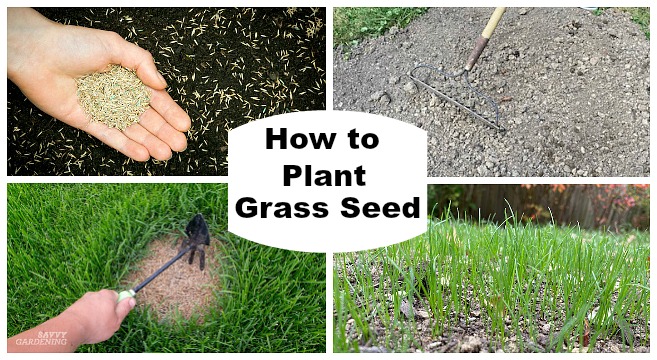
Image Source: savvygardening.com
Preparing Your Soil: The Foundation of a Great Lawn
Before you even think about spreading seed, preparing soil for seeding is crucial. This is where the magic begins for successful grass seed germination. Think of it as setting the stage for your new lawn.
Clearing the Area: A Clean Slate
First, you need to clear the area. Remove any existing grass, weeds, rocks, and debris.
* Weeds: Pull them out by the roots. For stubborn weeds, consider a natural herbicide.
* Rocks and Debris: Rake the area thoroughly. Larger rocks can be picked out by hand.
* Old Grass: If you have a lot of old, unhealthy grass, you might need to remove it. You can do this with a sod cutter or by tilling.
Soil Testing: Know What You’re Working With
A soil test tells you a lot about your soil’s health and what it needs.
* pH Level: Most grasses prefer a slightly acidic to neutral pH, between 6.0 and 7.0. If your pH is off, you’ll need to adjust it.
* Nutrient Levels: The test will show if your soil is lacking essential nutrients like nitrogen, phosphorus, and potassium.
Improving Soil Structure: Giving Roots Room to Grow
Healthy soil has good drainage and allows air and water to reach the roots.
* Adding Organic Matter: Compost, well-rotted manure, or peat moss are excellent for improving soil structure. Mix about 2-4 inches of organic matter into the top 4-6 inches of your soil.
* Aeration: If your soil is compacted, use a core aerator to create small holes. This helps water, air, and nutrients penetrate the soil.
Leveling the Ground: A Smooth Surface
A level surface makes mowing easier and ensures even watering.
* Raking: Use a stiff garden rake to smooth out any bumps or low spots.
* Topdressing: For minor imperfections, you can add a thin layer of topsoil or a compost-soil mix and rake it smooth.
Choosing the Best Grass Seed for Your Climate and Needs
Selecting the best grass seed types is vital for a lawn that thrives. It’s not a one-size-fits-all situation. Consider your region, the amount of sunlight your yard receives, and how you’ll use the lawn.
Cool-Season Grasses vs. Warm-Season Grasses
- Cool-Season Grasses: These grasses grow best in cooler temperatures, typically in the northern parts of the United States. They turn green in spring and fall but may go dormant in hot summers. Examples include:
- Kentucky Bluegrass
- Perennial Ryegrass
- Tall Fescue
- Fine Fescues
- Warm-Season Grasses: These grasses prefer warmer temperatures and are common in the southern United States. They are more drought-tolerant but turn brown and go dormant in the winter. Examples include:
- Bermuda Grass
- Zoysia Grass
- Centipede Grass
- St. Augustine Grass
Factors to Consider When Selecting Seed
- Sunlight: Some grasses need full sun, while others tolerate shade.
- Traffic: If your lawn will see a lot of foot traffic, choose a durable grass like Tall Fescue or Bermuda Grass.
- Drought Tolerance: If you live in a dry area, select drought-resistant varieties.
- Disease Resistance: Look for seed mixes that are resistant to common lawn diseases in your region.
- Weed Resistance: Some grass types are naturally better at outcompeting weeds.
Seed Mixes vs. Single Species
Many lawn seed products are sold as mixes of different grass types. This can offer several benefits:
* Adaptability: A mix can help your lawn adapt to varying conditions within your yard (e.g., sunny and shady spots).
* Resilience: If one type of grass struggles, the others can help keep the lawn looking good.
* Disease and Pest Resistance: Different species may have different resistances, providing broader protection.
The Best Time to Plant Grass Seed
Timing is everything for successful lawn establishment. The best time to plant grass seed depends on your climate and the type of grass you choose.
Cool-Season Grasses: Fall is Prime Time
For cool-season grasses, the fall is generally the best time to plant grass seed.
* Why Fall?
* Soil Temperatures: Soil temperatures are still warm enough for grass seed germination, but air temperatures are cooling down.
* Weed Competition: Many summer annual weeds are dying off, reducing competition for your new seedlings.
* Moisture: Fall often brings more consistent rainfall.
* Root Development: Grass has time to establish a strong root system before winter.
* When in Fall: Aim for late summer to early fall (August to October in many northern regions). Avoid planting too late, as seeds need about 4-6 weeks to establish before the ground freezes.
Warm-Season Grasses: Late Spring to Early Summer
For warm-season grasses, the best time to plant grass seed is late spring to early summer.
* Why Late Spring/Early Summer?
* Soil Temperatures: Soil needs to be consistently warm (above 70°F) for good grass seed germination.
* Growth Period: This timing allows the grass to establish itself during its peak growing season.
* When in Spring/Summer: Plant after the last frost has passed and when soil temperatures have warmed up sufficiently.
Spring Planting: A Secondary Option
Spring can also be a good time to plant, especially for cool-season grasses.
* Pros: The weather is warming up, and there’s plenty of moisture.
* Cons: You’ll face more competition from summer annual weeds, and the young grass might struggle with summer heat and drought if it hasn’t fully established. If you plant in spring, be extra vigilant with watering and weed control.
How to Plant Lawn Seed: Step-by-Step
Now that your soil is prepped and you’ve chosen your seed, it’s time for the planting process.
Step 1: Spreading the Seed
You want to distribute the seed evenly across the prepared soil.
* Seeding Rate: Always follow the recommended seeding rate on the seed bag. Too much seed can lead to weak, crowded seedlings. Too little will result in thin patches.
* Using a Spreader: A broadcast spreader or a drop spreader is ideal for even application.
* Broadcast Spreader: Covers a wider area, good for large lawns. Set it to the recommended rate.
* Drop Spreader: More precise, good for smaller areas or if you want to ensure very even coverage.
* Applying in Two Directions: For the most uniform coverage, spread half the seed going in one direction (e.g., north-south) and the other half going in the perpendicular direction (e.g., east-west).
Step 2: Ensuring Seed-to-Soil Contact
Good grass seed germination requires the seed to be in direct contact with the soil.
* Raking In: Gently rake the seed into the top 1/8 to 1/4 inch of soil. Be careful not to bury the seed too deeply, as this can hinder germination.
* Using a Roller: After raking, you can use a lawn roller filled with water to press the seed into the soil. This improves contact and helps retain moisture.
* Topdressing (Optional): A very thin layer of compost or topsoil can be applied after raking to help hold moisture and protect the seed.
Step 3: Watering the Newly Seeded Area
Proper watering is absolutely critical for grass seed germination and the survival of young seedlings.
* Initial Watering: Water the entire seeded area immediately after planting. Use a fine spray to avoid washing away the seed. The goal is to moisten the soil thoroughly.
* Consistent Moisture: For the next 2-4 weeks, keep the soil consistently moist. This means watering lightly several times a day, especially during dry spells. The surface should never dry out.
* Gradual Reduction: As seedlings grow and establish, you can gradually reduce the frequency of watering but increase the amount each time. Aim to water deeply enough to encourage root growth.
Step 4: Fertilizing New Lawn
Applying the right fertilizer at the right time helps your new lawn get off to a strong start.
* Starter Fertilizer: Use a starter fertilizer that is specifically formulated for new lawns. These fertilizers typically have a higher phosphorus content, which is essential for root development.
* When to Apply: You can apply a starter fertilizer just before seeding or a few days after. Follow the product’s instructions carefully.
* Subsequent Fertilization: After the grass has been mowed a few times, you can switch to a more general-purpose lawn fertilizer. Stick to a schedule of fertilizing new lawn every 4-6 weeks during the growing season, as recommended for your specific grass type.
Lawn Care After Seeding: Nurturing Your New Grass
Once your grass starts to sprout, the job isn’t over. Ongoing lawn care after seeding is essential for a lush, healthy lawn.
Watering: The Golden Rule
Continue to monitor moisture levels closely.
* Mowing Height: Once the grass reaches about 3 inches tall, it’s time for the first mow.
* Mowing Technique:
* Sharp Blade: Always use a sharp mower blade. A dull blade tears the grass, making it susceptible to disease.
* Height: Never remove more than one-third of the grass blade at a time. Raise your mower height to at least 3 inches for the first few mows.
* Mulch Clippings: Leave the clippings on the lawn (mulching). They act as a natural fertilizer.
Weed Control: Staying Ahead of the Competition
Weeds will try to compete for resources.
* Manual Removal: Hand-pulling weeds is effective, especially when the grass is young and the area is small.
* Herbicides: If you must use herbicides, choose one specifically labeled for use on new lawns or newly seeded areas. Read and follow the label instructions precisely, as young grass is more sensitive. Spot treatment is often best.
Overseeding Lawn: Filling in Thin Spots
If you notice thin areas or bare patches after the initial growth, you might consider overseeding lawn.
* When to Overseed: The best times for overseeding are typically fall for cool-season grasses and late spring/early summer for warm-season grasses.
* Process:
1. Mow the lawn shorter than usual.
2. Core aerate the lawn to improve soil contact and reduce thatch.
3. Spread the overseeding grass seed at the recommended rate.
4. Rake it in to ensure good seed-to-soil contact.
5. Apply a starter fertilizer.
6. Water consistently until the seed germinates and the grass establishes.
Considerations for Planting Sod
While this guide focuses on seeding, it’s worth briefly mentioning sod. Planting sod offers an instant lawn, but the soil preparation for sod is remarkably similar to preparing for seed. You still need to clear, test, amend, and level the soil. The key difference is that with sod, you’re laying pre-grown turfgrass. This skips the grass seed germination phase and provides an immediate aesthetic result. However, sod is generally more expensive and requires careful handling and immediate watering to prevent it from drying out.
Troubleshooting Common Seeding Problems
Even with the best preparation, you might encounter issues.
Poor Germination
- Possible Causes:
- Seed planted too deep or too shallow.
- Soil too dry or too wet.
- Poor seed-to-soil contact.
- Old or poor-quality seed.
- Extreme temperatures.
- Solutions:
- Review your watering and seeding techniques.
- Ensure proper soil contact.
- Test seed viability if concerned.
- Wait for more favorable weather conditions.
Uneven Growth
- Possible Causes:
- Uneven seed distribution.
- Varying soil conditions (e.g., compacted areas, poor drainage).
- Uneven watering.
- Solutions:
- Overseed thin areas.
- Aerate and topdress to improve soil.
- Adjust watering practices for even coverage.
Weed Infestation
- Possible Causes:
- Existing weed seeds in the soil.
- Weeds are more aggressive than the new grass.
- Improper watering or fertilization that favors weeds.
- Solutions:
- Focus on proper lawn care after seeding to help grass outcompete weeds.
- Hand-pull weeds promptly.
- Use pre-emergent or post-emergent herbicides cautiously, ensuring they are safe for young grass.
Frequently Asked Questions (FAQ)
Q1: How long does it take for grass seed to germinate?
A1: Grass seed germination times vary widely depending on the grass type, soil temperature, moisture, and seed quality. Most common lawn grasses will germinate within 7 to 21 days. Some, like Kentucky Bluegrass, can take up to 30 days.
Q2: Can I seed my lawn when it’s hot outside?
A2: It’s generally not recommended to plant seed during extreme heat. For cool-season grasses, aim for fall or early spring. For warm-season grasses, late spring to early summer is best, after the risk of frost has passed and soil temperatures are consistently warm.
Q3: How often should I water my new lawn?
A3: Keep the soil consistently moist but not waterlogged. For the first 2-4 weeks, this might mean watering lightly 1-3 times a day, depending on the weather. As the grass grows, gradually increase the duration of watering and decrease the frequency to encourage deep root growth.
Q4: What is the best way to fertilize a new lawn?
A4: Use a starter fertilizer with a higher phosphorus content to promote root development. Apply it just before seeding or shortly after. Continue fertilizing new lawn according to a schedule appropriate for your grass type and soil needs.
Q5: Is overseeding my lawn a good idea?
A5: Yes, overseeding lawn is an excellent way to fill in thin or bare spots, improve the density and health of your lawn, and introduce newer, more resilient grass varieties. The best times are typically fall for cool-season grasses and late spring/early summer for warm-season grasses.
Q6: What is the difference between preparing soil for seeding and preparing soil for sod?
A6: The fundamental soil preparation for sod and seeding is very similar: clearing, testing, amending, and leveling. The primary difference is that sod installation immediately follows soil preparation, while seeding requires a waiting period for grass seed germination and establishment. You need good soil contact for seed, whereas sod needs a firm, level bed.
Q7: How do I know which is the best grass seed type for my area?
A7: Research your local climate and consult with local garden centers or extension offices. They can advise on the best grass seed types that are adapted to your region’s temperature, rainfall, and soil conditions. Consider sun exposure and intended use of the lawn.
Planting lawn seed can seem daunting, but by following these expert tips, you’ll be well on your way to cultivating a beautiful and resilient lawn. Remember that patience and consistent care are key throughout the entire process, from preparing soil for seeding to the ongoing lawn care after seeding. Good luck!