
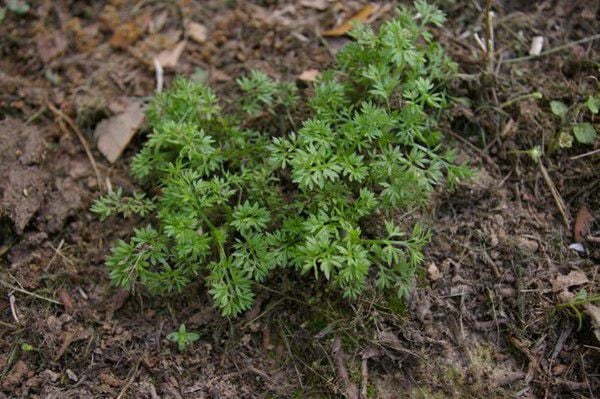
Image Source: bloximages.newyork1.vip.townnews.com
How To Get Rid Of Stickers In Your Yard Permanently
Can you get rid of stickers in your yard permanently? Yes, with consistent effort and the right strategies, you can significantly reduce and, over time, permanently eliminate sticker plants from your yard.
Deciphering the Sticker Problem
Stickers, those prickly little plant parts that cling to your clothes, pets, and bare feet, are more than just a nuisance; they can be a persistent problem in any yard. These “stickers” are often the seed-bearing structures of various weeds, designed to hitch a ride to new locations. Tackling them requires a multifaceted approach to weed removal and proper lawn care. Effective sticker plant control involves understanding the life cycle of these unwelcome guests and implementing a combination of methods to disrupt their growth and spread.
Identifying Common Sticker Culprits
Before you can eliminate them, it’s helpful to know what you’re dealing with. Different regions have different common sticker-producing weeds. Some prevalent offenders include:
- Burr Clover (Medicago polymorpha): Produces small, coiled burrs that are notoriously sticky.
- Sandbur (Cenchrus spp.): Known for its sharp, spiny burs that attach easily to fur and fabric.
- Goosegrass (Eleusine indica): While not always producing distinct “stickers” in the same way as burrs, its seed heads can be rough and irritating.
- Caltrop (Tribulus terrestris): Features hard, sharp, woody fruits with multiple spines that are extremely painful to step on.
- Field Bindweed (Convolvulus arvensis): While it has attractive flowers, its seed pods can be somewhat prickly and contribute to its invasive spread.
Knowing the specific plants in your yard is crucial for choosing the most effective weed removal methods. Your local extension office can be a great resource for identifying common weeds in your area.
A Comprehensive Strategy for Sticker Plant Control
Achieving permanent sticker removal isn’t a one-time fix. It’s about establishing healthy lawn practices and consistently applying control measures. This approach to yard maintenance focuses on making your lawn less hospitable to weeds and directly combating existing infestations.
1. Healthy Lawn Foundation: The First Line of Defense
A thick, healthy lawn is the best defense against weeds. When grass is dense, it crowds out weed seedlings, limiting their access to sunlight, water, and nutrients. Focusing on good lawn care practices is paramount.
-
Proper Mowing:
- Mow High: Set your mower to a higher setting. Taller grass shades the soil, preventing weed seeds from germinating. Aim for a height of 3-4 inches for most cool-season grasses.
- Sharp Blades: Dull mower blades tear grass, making it susceptible to disease and stress. Sharp blades make clean cuts, promoting faster healing.
- Mulch Clippings: Leave grass clippings on the lawn. They act as a natural fertilizer and help retain soil moisture.
-
Smart Watering:
- Deep and Infrequent: Water your lawn deeply but less often. This encourages grass roots to grow deeper, making the turf more drought-tolerant and resilient.
- Morning Watering: Water in the early morning to allow the grass blades to dry before nightfall, reducing the risk of fungal diseases.
-
Effective Fertilization:
- Soil Testing: Get a soil test to determine your lawn’s nutrient needs. This prevents over-fertilization, which can favor weed growth.
- Balanced Nutrition: Use a fertilizer appropriate for your grass type and the season. Follow the recommended application rates to avoid burning your lawn.
2. Manual Weed Removal: The Hands-On Approach
For smaller infestations or when you want to avoid chemical solutions, manual weed removal is an effective method. This is a key component of natural weed removal.
- Timing is Key: Pull weeds when the soil is moist, making it easier to remove the entire root system.
- Get the Roots: Ensure you pull the entire root. Many sticker plants, if left with even a small portion of the root, can regrow. Use a weeding tool for stubborn taproots.
- Dispose Properly: Do not compost weeds that have gone to seed, especially sticker-producing ones, as they can spread seeds in your compost. Bag them and discard them in the trash.
3. Natural Weed Removal Tactics
Beyond manual pulling, several natural methods can help control sticker weeds:
- Corn Gluten Meal: This pre-emergent herbicide can prevent weed seeds (including many sticker-producing ones) from germinating. Apply it in early spring before weed seeds begin to sprout.
- Vinegar: Household vinegar (acetic acid) can kill young, actively growing weeds on contact. However, it is non-selective, meaning it will also harm grass, and it doesn’t kill the roots of established perennial weeds. Be cautious and spot-treat.
- Boiling Water: Pouring boiling water directly onto weeds can kill them instantly, including their roots. This is best for weeds in cracks and crevices or on hard surfaces.
4. Chemical Weed Control: When and How
Sometimes, chemical solutions are necessary for effective weed removal, especially for widespread or persistent sticker problems. Using a weed killer requires careful consideration and proper application.
- Pre-Emergent Herbicides: These are applied before weed seeds germinate, preventing them from sprouting. They are most effective in early spring and fall. Look for products specifically labeled for controlling the types of weeds you have.
- Post-Emergent Herbicides: These are applied to actively growing weeds. They work by being absorbed by the plant and disrupting its growth processes.
- Selective vs. Non-Selective:
- Selective herbicides target specific types of weeds (e.g., broadleaf weeds) while leaving desirable grasses unharmed.
- Non-selective herbicides kill all plants they come into contact with. These are best for clearing areas before planting or for use on hard surfaces.
- Herbicide Application Best Practices:
- Read the Label: Always read and follow the product label directions precisely. This includes application rates, safety precautions, and environmental considerations.
- Timing: Apply herbicides when weeds are young and actively growing, and when temperatures are moderate (typically between 60-85°F). Avoid applying before rain, as it can wash the herbicide away.
- Wind Conditions: Do not apply herbicides on windy days to prevent drift onto desirable plants or neighboring properties.
- Personal Protective Equipment (PPE): Wear appropriate PPE, such as gloves, long sleeves, and eye protection.
- Selective vs. Non-Selective:
5. Tackling Invasive Species Management
Many sticker-producing plants are considered invasive species. Their aggressive growth and ability to outcompete native vegetation make controlling them crucial for the ecological health of your yard and surrounding areas. Invasive species management requires persistence and a commitment to preventing their spread.
6. Prevention is Key: Stopping Stickers Before They Start
- Mulching: Apply a thick layer of mulch (2-3 inches) around trees, shrubs, and in garden beds. Mulch suppresses weed growth by blocking sunlight.
- Bare Soil Avoidance: Keep bare patches of soil to a minimum. Plant ground cover or overseed thin areas of your lawn to prevent weeds from taking root.
- Clean Equipment: Clean your mower, trimmer, and other yard tools after use, especially if you’ve been in an area with sticker weeds, to avoid spreading seeds.
- Inspect New Plants: Before planting anything new, inspect it carefully for any signs of weeds or weed seeds.
Long-Term Sticker Eradication: A Persistent Effort
Achieving permanent weed removal, especially from stubborn sticker plants, is a marathon, not a sprint. It requires consistent yard maintenance and a willingness to adapt your strategies.
Year-Round Strategy Example:
| Season | Focus of Control | Methods |
|---|---|---|
| Early Spring | Pre-emergent control, early weed detection | Apply pre-emergent herbicide; hand-pull any early seedlings; ensure lawn is properly fertilized. |
| Late Spring | Actively growing weed control, lawn health | Spot-treat emerging sticker weeds with post-emergent herbicide or manual removal; continue proper mowing and watering. |
| Summer | Lawn health, vigilance against new growth | Mow high, water deeply; continue to hand-pull any visible sticker weeds before they go to seed; be mindful of heat stress on lawn and weeds. |
| Fall | Dormant seeding control, lawn renovation | Apply post-emergent herbicide for any remaining weeds; overseed thin lawn areas; consider a fall fertilizer application; clean up fallen seed heads. |
| Winter | Planning and preparation | Assess areas where stickers were prevalent; plan for next year’s control measures; identify and remove any dormant weeds or invasive plants before spring growth. |
Frequently Asked Questions About Sticker Removal
Q1: How do I stop stickers from getting on my dog?
A1: Regularly check your dog’s fur after walks, especially in areas known for sticker plants. Grooming can help remove them before they become embedded. Consider dog booties or protective dog suits for walks in heavily infested areas.
Q2: Are there natural weed killers that are safe for my lawn?
A2: Some natural weed killers, like corn gluten meal (pre-emergent), are safe and beneficial for lawns. Others, like vinegar and boiling water, are non-selective and can harm your grass if not used very carefully as spot treatments.
Q3: My neighbor’s yard is full of stickers. How can I stop them from spreading to mine?
A3: Maintain a healthy, dense lawn as a barrier. Consider planting a dense hedge or shrub border along the property line. Regularly inspect your yard for any early signs of sticker weeds and remove them immediately before they establish. You can also talk to your neighbor about the issue and offer suggestions for control.
Q4: When is the best time to apply herbicide for sticker weeds?
A4: The best time depends on the type of herbicide and the weed’s life cycle. Pre-emergent herbicides are best applied in early spring before seeds germinate. Post-emergent herbicides are most effective when weeds are young and actively growing, typically in late spring or early fall. Always read the product label for specific timing recommendations.
Q5: Can I dig up the entire sticker plant to get rid of it?
A5: Yes, digging up the entire plant, including its root system, is a very effective manual weed removal method. This is particularly important for perennial sticker weeds that can regrow from root fragments.
By combining diligent lawn care, strategic manual and chemical weed removal, and a proactive approach to invasive species management, you can effectively control and ultimately eliminate sticker plants from your yard, making your outdoor spaces much more enjoyable.