
What can I do to treat grubs in my lawn? You can treat grubs in your lawn using a variety of natural and chemical methods, focusing on timing, identification, and prevention for the best results. This guide provides comprehensive information on how to get rid of grubs and prevent them from returning. We’ll delve into identifying grub damage in lawn, effective lawn grub treatment options, and sustainable grub killer for lawns.
Dealing with grubs in your lawn can be frustrating. These C-shaped, white larvae, the immature stage of certain beetles, feed on grass roots, leading to unsightly brown patches and weakened turf. However, you don’t always need harsh chemicals to tackle this common lawn problem. This guide is your go-to resource for natural grub removal and organic grub control, offering practical advice for DIY lawn grub control and robust lawn grub prevention strategies.
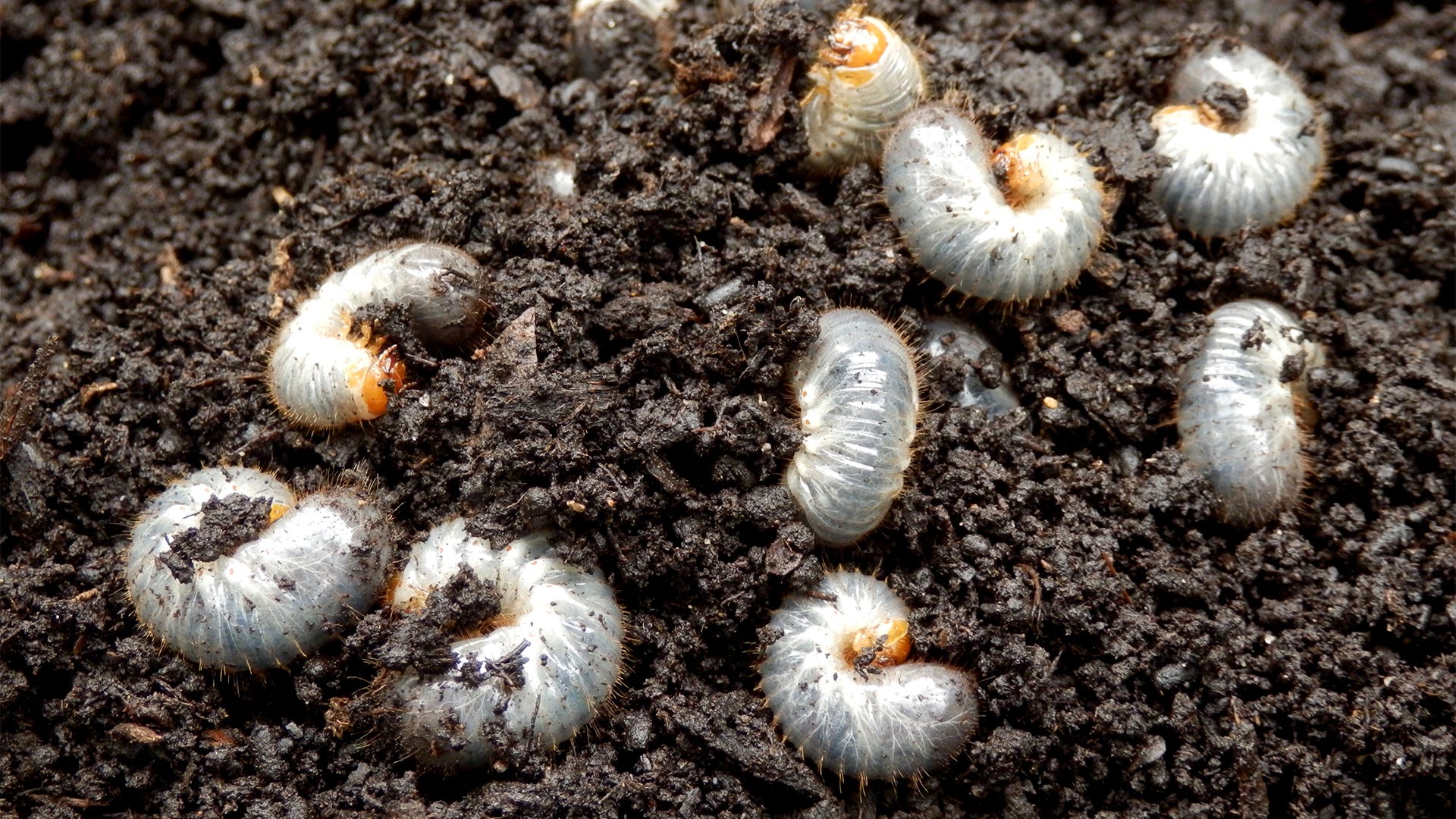
Image Source: www.saferbrand.com
Identifying Grub Damage in Lawn
Spotting the early signs of grub activity is crucial for effective lawn grub treatment. Grubs work unseen beneath the soil surface, but their feeding habits cause noticeable damage above ground.
Common Signs of Grub Infestation
- Irregular Brown Patches: These patches often start small and expand. Initially, they might look like drought stress, but they won’t green up even with ample watering.
- Spongy Feel: Lift a section of damaged turf. If it peels away easily like a carpet, with few roots holding it to the soil, grubs are likely the culprits. The grubs have eaten the roots that anchor the grass.
- Increased Activity of Animals: Birds, moles, and skunks are attracted to lawns with grub infestations because grubs are a food source. You might see digging or burrowing activity from these animals.
- Visible Grubs: Gently dig into the soil in affected areas. You should be able to find C-shaped, white grubs with dark heads. A healthy lawn might have a few grubs, but more than 5-10 per square foot indicates a problem.
Grub Identification: Knowing Your Enemy
Before you choose a grub killer for lawns, it’s important to know which type of grub you’re dealing with. Different species have slightly different life cycles and optimal treatment times.
Common Types of Grubs in Lawns
- Japanese Beetle Grubs: These are perhaps the most common. They are milky white with a distinct brown head and a Y-shaped pattern of spines on their rear end. They feed heavily in the late summer and fall.
- European Chafer Grubs: Similar in appearance to Japanese beetle grubs, they also have a Y-shaped pattern on their rear. They are active feeders in early fall.
- Asiatic Garden Beetle Grubs: These are slightly smaller and have a rasp-like rasp pattern on their rear end, not the Y-shape.
- Masked Chafers (Green June Beetle Grubs): These are larger grubs with a blue-gray color and a distinct blue-gray grub pattern on their rear end. They are often found closer to the soil surface.
Table 1: Grub Identification Characteristics
| Grub Type | Appearance | Feeding Time |
|---|---|---|
| Japanese Beetle | Milky white, brown head, Y-shaped spines rear | Late Summer/Fall |
| European Chafer | Milky white, brown head, Y-shaped spines rear | Early Fall |
| Asiatic Garden Beetle | Milky white, brown head, rasp-like pattern rear | Late Summer/Fall |
| Masked Chafer/Green June Beetle | Blue-gray, large, distinct blue-gray pattern rear | Late Summer/Fall |
Natural Grub Removal Strategies
When you need to get rid of grubs, you have several effective natural grub removal options. These methods are safer for your family, pets, and the environment.
1. Milky Spore
Milky spore is a natural biological control agent. It’s a bacterium ( Paenibacillus popilliae) that specifically targets Japanese beetle grubs.
How it Works:
- When grubs ingest milky spore spores while feeding, the bacteria multiply inside the grub.
- The grub eventually dies, releasing more spores into the soil.
- This creates a long-lasting grub infestation treatment. The spores can remain viable in the soil for up to 10-20 years.
Application:
- Apply milky spore powder to your lawn in late summer or early fall when grubs are present.
- Follow package directions carefully for the correct application rate. You might need to reapply annually for the first few years to build up sufficient spore levels in the soil for effective lawn grub prevention.
- It’s most effective against Japanese beetle grubs.
2. Nematodes
Beneficial nematodes are microscopic roundworms that are natural predators of grubs. There are several species of nematodes that target grubs, but Heterorhabditis bacteriophora (Hb) and Steinernema carpocapsae (Sc) are most common for lawn grub control.
How it Works:
- Nematodes seek out and penetrate grubs.
- Once inside, they release bacteria that kill the grub.
- The nematodes then reproduce within the dead grub, and their offspring disperse to find more grubs.
Application:
- Purchase live nematodes from a reputable supplier. They are typically shipped in a moist medium.
- Apply them to the lawn when soil temperatures are between 55°F and 85°F (13°C and 29°C).
- Water the lawn thoroughly before application.
- Mix the nematodes with water according to the product’s instructions.
- Apply the mixture evenly over the infested area using a hose-end sprayer or watering can.
- Immediately after application, water the lawn again. This helps carry the nematodes down into the soil where the grubs are active.
- Apply in the late afternoon or on a cloudy day, as nematodes are sensitive to UV light.
3. Neem Oil
Neem oil is derived from the seeds of the neem tree and has insecticidal properties. It acts as a repellent and growth regulator.
How it Works:
- When grubs ingest neem oil, it disrupts their hormonal system, preventing them from molting and growing.
- It also acts as an antifeedant, making the grubs stop eating.
Application:
- Mix concentrated neem oil with water according to product instructions.
- Apply the mixture to the lawn using a sprayer, ensuring thorough coverage of the affected areas.
- Apply in the early morning or late evening when temperatures are cooler and the sun is less intense.
- It’s best applied when grubs are young and actively feeding, typically in late summer or early fall.
4. Corn Gluten Meal
While not a direct grub killer, corn gluten meal is a natural pre-emergent herbicide that can also deter some soil insects. It works by inhibiting root development in germinating seeds, but it also has some insecticidal properties.
How it Works:
- When applied at the right time, it can disrupt the grub life cycle by interfering with egg hatching and larval development, although its efficacy against established grubs is less pronounced.
- It also acts as a natural fertilizer.
Application:
- Apply corn gluten meal in the spring or fall.
- Distribute it evenly across the lawn at a rate of about 20 pounds per 1,000 square feet.
- Water it in lightly.
5. Beneficial Insects
Encouraging natural predators can also help control grub populations over time.
Natural Predators:
- Birds: Many bird species feed on grubs and beetles.
- Ground Beetles: These predatory insects hunt grubs in the soil.
- Moles and Skunks: While their digging can be a nuisance, they are also eating grubs.
How to Encourage Them:
- Reduce or eliminate the use of broad-spectrum insecticides.
- Provide habitats for beneficial insects, such as ground cover plants and water sources.
- Avoid excessive mowing, which can disturb beneficial insect populations.
Effective Lawn Grub Prevention
The best approach to managing grubs is through proactive lawn grub prevention. A healthy, vigorous lawn is more resilient to grub damage.
1. Healthy Lawn Practices
- Proper Mowing: Mow your lawn at the highest recommended setting for your grass type. Taller grass develops a deeper root system, making it more resistant to grub damage.
- Adequate Watering: Deep, infrequent watering encourages deep root growth. Avoid shallow, frequent watering, which can attract egg-laying beetles and keep grubs closer to the surface.
- Appropriate Fertilization: Feed your lawn with balanced fertilizers to promote strong root development. Over-fertilizing, especially with high nitrogen content in the fall, can sometimes attract egg-laying beetles.
2. Scouting and Monitoring
Regularly inspect your lawn for early signs of grub activity. Early detection makes lawn grub treatment much easier.
- Timing: Scout for grubs in late summer and early fall when they are actively feeding near the surface.
- Method: Dig up small sections of turf in suspect areas. If you find more than 5-10 grubs per square foot, consider treatment.
3. Cultural Controls
- Aeration: Aerating your lawn helps improve soil structure and drainage, which can make it less hospitable to grubs.
- Dethatching: Excessive thatch can harbor grubs and provide them with a protective layer. Dethatch your lawn if the thatch layer is more than half an inch thick.
Timing Your Grub Killer for Lawns
The timing of your grub killer for lawns application is crucial for success. Grubs are most vulnerable at specific stages of their life cycle.
Grub Life Cycle and Treatment Windows
- Egg Laying: Adult beetles lay eggs in the soil during the summer months (typically July and August).
- Larval Stage (Grub): Newly hatched grubs are small and begin feeding on grass roots. This is the most critical time for treatment.
- Early Fall (Late August – October): Grubs are actively feeding and growing, moving closer to the surface. This is the ideal time for most grub treatments. They are actively consuming roots before overwintering.
- Spring (April – May): Grubs that overwintered as larvae become active again and feed on grass roots before pupating. Spring treatment is also effective, especially for heavier infestations, but the grubs are larger and may have already caused significant damage.
- Pupal Stage: Grubs pupate and transform into adult beetles. This stage is less susceptible to treatment.
- Adult Stage: Adult beetles emerge from the soil to mate and lay eggs, restarting the cycle.
Key Treatment Windows:
- Late Summer/Early Fall: The most effective time for targeting young, actively feeding grubs. This is the best strategy for both controlling current infestations and for lawn grub prevention.
- Spring: Effective for controlling overwintered grubs before they cause extensive damage, but they are larger and harder to kill.
Choosing the Best Grub Killer for Lawns
When you need a grub killer for lawns, consider both natural and, if necessary, targeted chemical options. Always prioritize safety and environmental impact.
Natural Options (Reiterated for clarity)
- Beneficial Nematodes: Highly effective when applied at the right time and temperature.
- Milky Spore: A long-term solution specifically for Japanese beetle grubs.
- Neem Oil: Disrupts grub development and acts as a deterrent.
Chemical Options (Use with Caution and as a Last Resort)
While this guide focuses on natural solutions, it’s important to be aware of chemical options if infestations are severe and natural methods haven’t been sufficient. Always read and follow label instructions meticulously.
- Imidacloprid: A systemic insecticide that is absorbed by the plant roots. It can be applied as a granular or liquid formulation. Best applied in mid-summer to kill newly hatched grubs.
- Chlorantraniliprole: Another effective systemic insecticide that targets a broad range of soil insects, including grubs. It offers a good window of application.
- Trichlorfon: A contact insecticide that works quickly but has a shorter residual effect.
Important Considerations for Chemical Use:
- Targeted Application: Apply only to affected areas.
- Timing: Follow label directions for the most effective application window.
- Pollinator Safety: Many insecticides are harmful to bees and other pollinators. Avoid application when flowers are blooming or when pollinators are active. Apply in the early morning or late evening.
DIY Lawn Grub Control: A Step-by-Step Approach
Implementing DIY lawn grub control can save you money and give you control over the products you use.
Step 1: Identification and Assessment
- Confirm the Problem: Dig into suspect areas to identify grubs and estimate their numbers.
- Identify the Grub Type: If possible, try to identify the specific grub species to optimize your treatment.
Step 2: Choose Your Natural Treatment
- Based on your identification and preference, select the best natural grub removal method: milky spore, beneficial nematodes, or neem oil.
Step 3: Prepare for Application
- Gather Supplies: You’ll need your chosen grub treatment, a spreader or sprayer, water, and potentially a hose.
- Check Weather: Ensure favorable conditions (e.g., no heavy rain immediately after application, appropriate soil temperature for nematodes).
Step 4: Apply the Treatment
- Follow Instructions: Carefully read and follow the application instructions on your chosen product.
- Even Coverage: Apply the treatment evenly across the affected areas. For nematodes, ensure thorough watering after application to move them into the soil.
Step 5: Post-Treatment Care and Monitoring
- Watering: Water your lawn appropriately after application to help the treatment work and to keep the grass healthy.
- Monitor: Keep an eye on the lawn for several weeks to assess the effectiveness of the treatment. You may need a second application if the infestation is severe.
- Prevention: Continue with good lawn care practices to prevent future grub infestations.
Grub Infestation Treatment: What to Expect
A grub infestation treatment, whether natural or chemical, requires patience and consistent effort.
- Natural Treatments: May take longer to show significant results, as they work with biological processes. Milky spore, for example, builds up over time. Beneficial nematodes work relatively quickly but require the right conditions.
- Chemical Treatments: Tend to provide faster results, but their effects may be short-lived, and they can have unintended consequences for the ecosystem.
- Long-Term Management: The goal is not just to eliminate the current grub population but to implement lawn grub prevention strategies for the future. A healthy lawn is your best defense.
Frequently Asked Questions (FAQ)
Q1: When is the best time to treat grubs?
The most effective time to treat grubs is late summer or early fall (late August to October) when they are young and actively feeding near the soil surface. Spring treatment (April to May) is also effective for overwintered grubs.
Q2: How many grubs are too many?
If you find more than 5-10 grubs per square foot when digging up sections of your lawn, it generally indicates an infestation that warrants treatment.
Q3: Can I use beneficial nematodes on my lawn?
Yes, beneficial nematodes are an excellent natural option for grub control. Ensure you purchase them from a reputable supplier and apply them correctly when soil temperatures are between 55°F and 85°F (13°C and 29°C), followed by thorough watering.
Q4: How long does milky spore take to work?
Milky spore is a long-term solution. It typically takes 2-3 years of consistent application to build up sufficient levels in the soil to effectively control Japanese beetle grubs.
Q5: Will my pets be safe if I use natural grub treatments?
Natural grub treatments like milky spore and beneficial nematodes are generally safe for pets. Neem oil can be a deterrent but is also considered safe when used as directed. Always supervise pets when applying any lawn treatment.
Q6: How can I prevent grubs from coming back?
Consistent lawn grub prevention is key. This includes maintaining a healthy lawn through proper mowing, watering, and fertilization, aerating, dethatching, and regularly scouting for early signs of infestation.
By following this comprehensive guide, you can effectively tackle grub problems in your lawn using natural and sustainable methods, ensuring a healthy, vibrant, and grub-free landscape.