
Can you get rid of mushrooms in your lawn? Yes, you can get rid of mushrooms in your lawn, and often the best way is to address the underlying conditions that encourage their growth. While mushrooms themselves aren’t usually harmful to your lawn, they can be unsightly and indicate an imbalance in your lawn’s ecosystem. This guide will explore natural solutions and pet-safe methods for effective mushroom control.
Mushrooms popping up in your yard can be a bit of a puzzle. They appear suddenly, often after rain, and can range from tiny little caps to larger, more prominent specimens. While they might be a talking point, for many homeowners, they represent an unwelcome addition to their otherwise pristine lawn care regimen. Dealing with this common lawn fungus requires a thoughtful approach, focusing on both immediate mushroom removal and long-term lawn health. This article dives deep into how to tackle these fungal invaders using natural, eco-friendly, and most importantly, pet-safe methods.
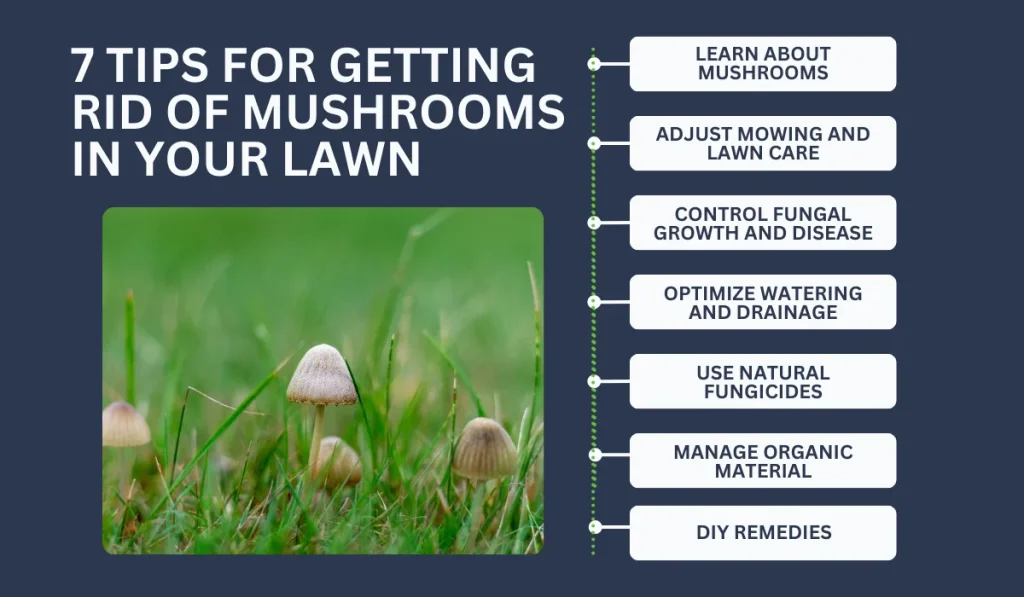
Image Source: sodlawn.com
Why Do Mushrooms Appear in My Lawn?
Fungal growth in your lawn is a natural process, and mushrooms are simply the fruiting bodies of these fungi. They thrive in specific conditions, and recognizing these factors is the first step to effective mushroom control.
The Role of Moisture
Excess moisture is a primary culprit behind mushroom growth. This can stem from several sources:
- Poor Drainage: Compacted soil prevents water from draining effectively, creating a consistently damp environment where fungi flourish.
- Overwatering: While a healthy lawn needs water, too much can lead to waterlogged soil.
- Rainfall: Prolonged periods of rain naturally increase soil moisture.
- Dew: Heavy dew in the mornings can also provide enough moisture for fungi.
Organic Matter and Thatch
Mushrooms feed on decaying organic matter. If your lawn has a thick layer of thatch – that spongy mat of dead grass, roots, and debris just above the soil surface – it provides an ideal food source for fungi. Excessive organic material in the soil, such as buried wood or roots from old trees or shrubs, can also fuel mushroom growth.
Soil Conditions
- Compaction: As mentioned, compacted soil restricts air and water movement, leading to dampness that favors fungi.
- Low Nitrogen Levels: Sometimes, mushrooms can indicate a nitrogen deficiency in the soil. Fungi can break down organic matter more readily than grass when nitrogen is scarce.
- Shady Areas: Areas of your lawn that receive less sunlight tend to stay cooler and moister, creating a more hospitable environment for mushrooms.
Mycelium: The Hidden Network
It’s important to remember that the mushrooms you see are just the tip of the iceberg. They are the reproductive structures of a larger underground network of fungal threads called mycelium. This mycelium can be extensive and live in the soil for years, feeding on organic matter.
Natural Methods to Get Rid of Mushrooms
The good news is that you don’t need harsh chemicals to manage mushroom growth. Natural methods focus on altering the conditions that allow fungi to thrive, promoting a healthier lawn ecosystem.
Mechanical Removal
The simplest way to deal with visible mushrooms is direct removal.
- Hand-Pulling: Gently pull mushrooms from the base. This is most effective when the soil is slightly moist, making extraction easier.
- Collection: Use a rake or a shovel to collect the mushrooms. Dispose of them away from your lawn to prevent spore dispersal.
- Bagging and Discarding: Place the collected mushrooms in a plastic bag and discard them in the trash. Avoid composting them if you suspect they might be toxic or if you want to be absolutely sure they don’t re-sprout.
While mechanical removal gets rid of the visible mushrooms, it doesn’t address the underlying mycelial network. However, consistent removal can reduce the spread of spores.
Addressing Drainage Issues
Improving drainage is crucial for long-term mushroom control.
- Aeration: Core aeration is a highly effective lawn treatment. It involves removing small plugs of soil, which alleviates compaction, improves air circulation, and allows water to penetrate deeper into the soil. This process helps dry out the upper layers where mushrooms often appear.
- When to Aerate: Fall and spring are generally the best times for aeration, depending on your grass type.
- Dethatching: If you have a thick thatch layer, dethatching is necessary. This process removes the excess dead organic material, reducing the food source for fungi and improving water and air penetration.
- Dethatching Tools: You can use a power dethatcher or a rake designed for dethatching.
Modifying Watering Practices
Consistent, appropriate watering is key to lawn health.
- Water Deeply and Infrequently: Encourage deep root growth by watering thoroughly but less often. This promotes a more drought-tolerant lawn and reduces the consistently moist surface conditions that mushrooms love.
- Water in the Morning: Watering early in the day allows the grass blades and soil surface to dry out before evening, minimizing the time moisture lingers.
- Check Soil Moisture: Use a moisture meter or simply stick your finger a few inches into the soil. If it feels moist, you likely don’t need to water.
Adjusting Fertilization
While mushrooms can sometimes indicate a lack of nitrogen, over-fertilizing can also contribute to fungal problems.
- Balanced Fertilization: Use a balanced fertilizer that provides the nutrients your lawn needs without excess.
- Slow-Release Fertilizers: These release nutrients gradually, preventing sudden growth spurts that can stress the lawn and make it more susceptible to disease.
- Soil Testing: Consider a soil test to determine your lawn’s specific nutrient needs. This helps you fertilize precisely what’s required, promoting strong grass growth that can outcompete fungi.
Sunlight and Airflow
- Prune Overhanging Branches: If shaded areas are a problem, trim back trees and shrubs to allow more sunlight and air circulation to reach the lawn.
- Remove Debris: Regularly rake up leaves, grass clippings, and other organic debris that can hold moisture and provide food for fungi.
Pet-Safe Mushroom Removal Options
When dealing with a pet-friendly yard, it’s essential to opt for organic mushroom removal and pet-safe lawn treatment methods. The natural approaches discussed above are inherently pet-safe as they avoid synthetic chemicals.
Baking Soda (Sodium Bicarbonate)
Baking soda can alter the soil pH, making it less hospitable to certain types of fungi.
- Application: Mix 1-2 tablespoons of baking soda with a gallon of water. Spray this solution directly onto the affected areas where mushrooms are growing.
- Frequency: You may need to reapply this solution every few weeks during periods of high mushroom activity.
- Caution: While generally safe, excessive use of baking soda can affect soil pH, so use it judiciously.
Vinegar (Acetic Acid)
Vinegar can act as a natural fungicide by altering the soil’s pH.
- Application: Mix equal parts white vinegar and water in a spray bottle. Spray directly onto the mushrooms and the surrounding soil.
- Frequency: Similar to baking soda, reapplication may be necessary.
- Caution: Vinegar is acidic and can harm grass if applied undiluted or in large quantities. Test on a small area first.
Corn Gluten Meal
Corn gluten meal is a natural pre-emergent herbicide and fertilizer that can also inhibit fungal growth. It works by interfering with the development of fungal root structures.
- Application: Apply a thin layer of corn gluten meal over your lawn, especially in areas where mushrooms frequently appear. Follow product instructions for application rates.
- Timing: It’s most effective when applied in early spring and fall, but can be used throughout the growing season.
Beneficial Microbes
Introducing beneficial microbes to your soil can help break down organic matter more efficiently, reducing the food supply for pathogenic fungi.
- Compost Tea: Applying compost tea, which is rich in beneficial bacteria and fungi, can introduce these helpful microbes to your lawn.
- Compost Application: Top-dressing your lawn with a thin layer of high-quality compost also enriches the soil with beneficial microorganisms.
Preventing Mushrooms in Your Lawn
The most effective way to kill lawn mushrooms is to prevent mushrooms from growing in the first place by maintaining a healthy, well-balanced lawn.
Establishing a Healthy Lawn
- Proper Mowing: Mow your lawn at the correct height for your grass type. Taller grass shades the soil, keeping it cooler and moister, but excessively long grass can also lead to thatch buildup. Aim for the higher end of the recommended mowing height.
- Core Aeration: As mentioned earlier, regular aeration is vital for preventing soil compaction and improving drainage.
- Dethatching: Periodically remove thatch to ensure good air and water penetration.
- Overseeding: Fill in bare spots with grass seed. Healthy, dense turf is more resistant to fungal invasions.
Consistent Maintenance
- Clean Up Debris: Regularly remove fallen leaves, grass clippings, and other organic debris.
- Irrigation Management: Stick to a watering schedule that promotes deep root growth and allows the soil surface to dry out between waterings.
- Balanced Nutrition: Use soil tests to guide your fertilization program, ensuring your lawn receives the right nutrients without over-fertilizing.
Identifying and Removing Buried Organic Matter
If you suspect buried wood or other organic debris is the source, excavating and removing it might be necessary. This is a more involved lawn treatment but can effectively solve persistent mushroom problems.
What If Mushrooms Keep Coming Back?
If you’ve tried various natural methods and mushrooms continue to be a persistent problem, consider the following:
- Persistent Mycelium: The mycelial network can be very resilient. It might take several seasons of consistent lawn care and improved conditions for the fungal growth to significantly decrease.
- Underlying Soil Issues: If your soil has very poor drainage or is heavily compacted, you might need more intensive soil amendment strategies, such as adding compost or sand to improve drainage.
- Environmental Factors: In some cases, particularly wet or humid climates, mushrooms may always be a minor issue. The goal then becomes managing them to a level where they are not noticeable or problematic.
- Professional Advice: If you’re struggling to identify the root cause or implement effective solutions, consult a local landscaping or lawn care professional. They can assess your specific conditions and recommend targeted treatments.
Table: Common Causes and Natural Solutions for Lawn Mushrooms
| Cause | Natural Solution | Pet-Safe? |
|---|---|---|
| Excess Moisture | Improve drainage (aeration, dethatching), water deeply and infrequently, water in the morning. | Yes |
| Thick Thatch Layer | Dethatch regularly to remove dead organic material. | Yes |
| Buried Organic Matter | Remove any visible buried wood or debris. | Yes |
| Soil Compaction | Core aeration to loosen soil, improve air and water flow. | Yes |
| Low Nitrogen Levels | Balanced fertilization, use slow-release nitrogen fertilizers, consider a soil test. | Yes |
| Shady Areas | Trim overhanging tree branches to increase sunlight and air circulation. | Yes |
| General Fungal Growth | Apply baking soda solution (diluted), vinegar solution (diluted), or corn gluten meal. Introduce beneficial microbes via compost tea or compost top-dressing. | Yes |
| Accidental Spore Transfer | Collect and discard mushrooms promptly in sealed bags. | Yes |
Frequently Asked Questions (FAQ)
Q1: Are the mushrooms in my lawn poisonous?
While many common lawn mushrooms are not toxic, some can be. It’s impossible to tell just by looking. To be safe, always assume lawn mushrooms could be poisonous, especially if you have pets or small children who might ingest them. Prompt removal and disposal are recommended.
Q2: Can I just spray something to kill the mushrooms immediately?
While quick fixes exist, they often involve chemicals that are not pet-safe and may harm your lawn’s beneficial microorganisms. Natural methods focus on addressing the root causes, leading to a healthier lawn that is less prone to fungal growth. Immediate mushroom removal is best done mechanically.
Q3: How long does it take for natural mushroom removal methods to work?
The timeline varies depending on the severity of the fungal growth and the specific methods used. You might see a reduction in mushrooms within a few weeks, but achieving long-term mushroom control and promoting overall lawn health can take several months to a season or more. Consistent lawn care is key.
Q4: Will removing the mushrooms stop them from coming back?
Removing the visible mushrooms (the fruiting bodies) helps reduce spore dispersal but doesn’t eliminate the underlying mycelial network. To prevent mushrooms from returning, you must address the conditions that allow them to thrive, such as excess moisture, poor drainage, and excessive organic matter.
Q5: Is it okay to leave mushrooms in the lawn?
If you don’t mind the appearance, leaving small numbers of mushrooms in the lawn is generally not harmful to the grass itself. They are a sign of a healthy soil ecosystem, albeit one that might be slightly out of balance for your aesthetic preferences. However, if you have pets or children, removal is a good safety precaution.
By focusing on improving your lawn’s overall health through natural and pet-safe lawn treatment methods, you can effectively manage and prevent mushrooms, creating a beautiful and safe outdoor space for your entire family, including your furry friends. Consistent, proactive lawn care is your best strategy for keeping those unwelcome fungal guests at bay.