
Can you start a lawn mower without gas? No, a gas lawn mower absolutely needs fuel to run. This guide will walk you through starting your lawn mower, from basic checks to common troubleshooting steps. Getting your mower going is often simpler than you think, and knowing the right steps can save you time and frustration.
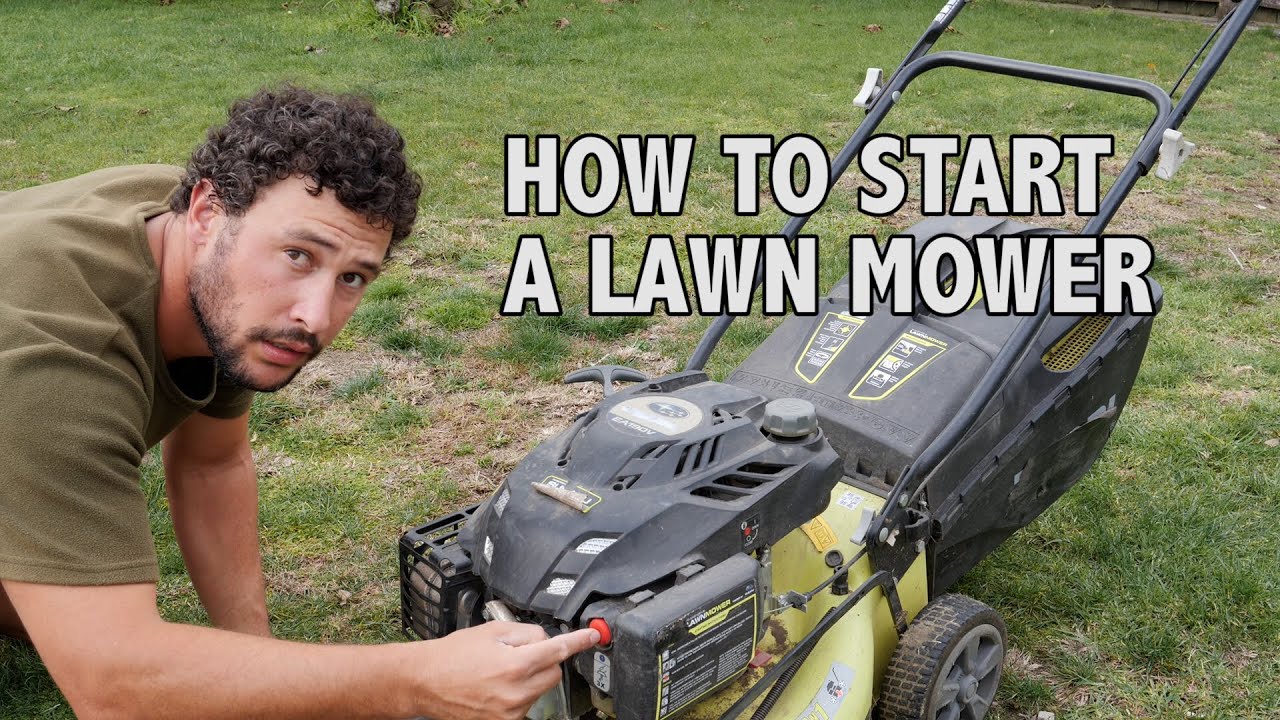
Image Source: i.ytimg.com
Getting Your Mower Ready: Pre-Start Checks
Before you even think about pulling the starter cord, a few quick checks can prevent a lot of trouble. Making sure your mower is in good shape is the first step to a successful start.
Essential Checks Before You Start
- Fuel Level: This might seem obvious, but many lawn mower starting problems stem from an empty tank. Ensure you have fresh gasoline. Stale gas can cause your lawn mower won’t start.
- Oil Level: Low oil can damage the engine. Check your oil dipstick and add oil if needed. Use the type of oil recommended in your owner’s manual.
- Air Filter: A clogged air filter restricts airflow, making it hard for the engine to run. Inspect it and clean or replace it if it looks dirty.
- Spark Plug: A dirty or worn spark plug is a common culprit when your lawn mower won’t start. We’ll cover how to check and clean it later.
- Safety First: Make sure the area around the mower is clear of debris. Always engage safety features as instructed in your manual.
Starting Your Gas Lawn Mower: Step-by-Step
Most gas lawn mower starting procedures are similar, whether it’s a simple push mower or a more complex riding mower.
The Basic Starting Sequence
- Fuel: Ensure you have fresh gasoline in the tank. If you stored the mower over winter, consider using a lawn mower fuel stabilizer to keep the gas fresh and prevent gumming.
- Choke: Most gas mowers have a choke lever. This enriches the fuel mixture for starting.
- Cold Engine: Move the choke lever to the “choke” or “start” position.
- Warm Engine: Move the choke lever to the “run” or “off” position. If the engine is warm, it usually doesn’t need the choke.
- Primer Bulb (If Equipped): Many newer mowers have a small rubber bulb. Press it 3-5 times until you see fuel inside. This pushes fuel into the carburetor.
- Throttle: Set the throttle to a “fast” or “start” position, usually marked with a rabbit or “start.”
- Pull the Starter Cord: Firmly grasp the starter handle and pull it with a smooth, strong motion. Don’t yank it wildly. You might need to pull it a few times.
- Adjust Choke: Once the engine starts, gradually move the choke lever towards the “run” or “off” position as the engine warms up. If you move it too quickly, the engine might stall.
Special Considerations for Electric Start Mowers
If you have an electric start lawn mower, the process is a bit different.
How to Start an Electric Start Lawn Mower
- Ensure Battery is Charged: Like a car, an electric start mower relies on a battery. Make sure it’s charged.
- Connect to Power (if applicable): Some electric start systems are corded. Ensure it’s properly plugged in.
- Engage Starter: Turn the key or press the start button. The starter motor will crank the engine.
- Choke and Throttle: You’ll still need to set the choke and throttle correctly, just like with a pull-start mower. The electric starter simply does the cranking for you.
- Adjust Choke: As the engine warms, adjust the choke.
Troubleshooting Common Lawn Mower Starting Problems
When your lawn mower won’t start, it can be frustrating. Don’t worry; most issues can be fixed with a systematic approach. Here’s how to troubleshoot a lawn mower:
My Push Mower Won’t Crank
If your push mower won’t crank, it means the engine isn’t turning over at all. This is different from an engine that cranks but doesn’t fire up.
Why Your Push Mower Won’t Crank
- Safety Features: Most mowers have safety interlocks.
- Bail Lever: On many push mowers, you need to hold down a safety bar (bail lever) against the handle for the engine to start or run.
- Blade Brake Clutch: Some models have a lever that stops the blade but allows the engine to run. Make sure this is disengaged if it’s preventing the engine from turning over.
- Dead Battery (Electric Start): If you have an electric start model, a dead or weak battery is the most common reason it won’t crank.
- Ignition Switch Issues: The switch itself might be faulty.
- Internal Engine Seizure: In rare cases, the engine might be seized, meaning internal parts are stuck. This is usually a more serious mechanical issue.
- Starter Solenoid (Electric Start): The solenoid is an electrical switch that sends power to the starter motor. If it fails, the engine won’t crank.
My Lawn Mower Won’t Start (But Cranks)
This is a very common scenario. The engine might turn over when you pull the cord, but it doesn’t catch and run. This usually means there’s a problem with fuel, air, or spark.
Fuel Issues
- No Fuel: Check the tank.
- Old or Stale Fuel: Gasoline degrades over time, especially if it sits for more than a month. Old fuel can clog the carburetor and prevent starting. If you suspect this, drain the old fuel and replace it with fresh gasoline. Using a lawn mower fuel stabilizer in any stored gas can prevent this issue.
- Clogged Fuel Filter: A dirty fuel filter restricts fuel flow to the engine. Replace it if it looks dirty.
- Blocked Fuel Lines: The lines carrying fuel from the tank to the carburetor could be kinked or clogged.
- Carburetor Problems: This is a frequent cause.
- Carburetor Cleaning Lawn Mower: The carburetor mixes fuel and air. If it’s dirty or gummed up (often from old fuel), it won’t deliver the right mixture. You might need to clean the carburetor. This involves disassembling it, cleaning out the jets and passages with carburetor cleaner, and reassembling it. If you’re not comfortable with this, a small engine repair shop can do it.
- Float Bowl: The float bowl can collect debris. Sometimes simply draining it can help.
Air Issues
- Dirty Air Filter: A clogged air filter starves the engine of air. Remove the air filter cover and inspect the filter. If it’s dirty, tap it gently to remove loose dirt. For paper filters, replacement is usually best. Foam filters can often be washed with soap and water, dried completely, and then lightly oiled.
- Blocked Air Intake: Ensure the air intake on the mower is not obstructed.
Spark Issues
- Spark Plug Lawn Mower: The spark plug ignites the fuel-air mixture.
- Inspect the Spark Plug: Remove the spark plug using a spark plug wrench. Look for signs of fouling (oil or carbon buildup), damage to the ceramic insulator, or a worn electrode.
- Clean the Spark Plug: You can clean a lightly fouled plug with a wire brush and carburetor cleaner.
- Check the Gap: The gap between the electrodes is crucial. Refer to your owner’s manual for the correct gap setting. You can use a gap tool to adjust it if necessary.
- Replace the Spark Plug: If the plug is heavily fouled, damaged, or old, it’s best to replace it with a new one. Make sure it’s the correct type for your mower.
- Loose Spark Plug Wire: Ensure the spark plug wire is securely attached to the spark plug.
- Faulty Ignition Coil: The ignition coil generates the high voltage for the spark plug. If it fails, there will be no spark. This is a more complex issue to diagnose.
My Lawn Mower Engine Won’t Turn Over
When your lawn mower engine won’t turn over, it means the crankshaft isn’t rotating. This is the most severe type of starting issue, indicating a mechanical problem.
Reasons the Lawn Mower Engine Won’t Turn Over
- Hydro-Lock: This occurs when liquid (usually fuel or oil) enters the cylinder and prevents the piston from moving. If you over-primed the engine or tilted the mower incorrectly, this could happen. To fix it, remove the spark plug and try to crank the engine. This will expel the liquid. Be prepared for some fuel to come out. Let it air out before replacing the plug and trying to start.
- Bent Connecting Rod or Piston: Internal damage can cause parts to jam.
- Seized Engine: Lack of oil, overheating, or foreign objects can cause the engine’s internal parts to seize or bind.
- Sheared Flywheel Key: The flywheel key aligns the flywheel to the crankshaft. If it shears (often from hitting a hard object), the timing will be off, and the engine may not turn over or will run very rough.
- Starter Motor Failure (Electric Start): If the electric starter motor is broken, it won’t be able to turn the engine.
Advanced Troubleshooting and Maintenance
Beyond the basic steps, some maintenance tasks can keep your mower running smoothly and prevent lawn mower starting problems.
Carburetor Cleaning Lawn Mower
When to Clean:
* Mower runs rough or stalls.
* Mower starts but dies quickly.
* Mower won’t start after sitting for a long time with old fuel.
Steps (General):
1. Disconnect Spark Plug: Always disconnect the spark plug wire before working on the carburetor.
2. Drain Fuel: Drain the fuel from the tank and carburetor bowl.
3. Remove Carburetor: Carefully unbolt and remove the carburetor. Note the fuel line and any linkage connections.
4. Disassemble: Gently take apart the carburetor. Remove the float bowl, jets, and any other accessible parts.
5. Clean: Use a dedicated carburetor cleaner spray. Spray into all the small passages and jets. Use a small wire or a specialized carburetor cleaning kit if needed to clear stubborn blockages.
6. Inspect: Check the float and needle valve for wear or damage.
7. Reassemble: Put the carburetor back together carefully.
8. Reinstall: Reattach the carburetor to the engine, reconnect fuel lines and linkages.
9. Test: Reconnect the spark plug wire and try starting the mower with fresh fuel.
Spark Plug Maintenance
A clean and properly gapped spark plug lawn mower is vital for good ignition.
Inspecting and Replacing Your Spark Plug
- Removal: Use a spark plug socket wrench of the correct size. Turn counter-clockwise.
- Inspection: Look for:
- Color: A healthy plug is usually tan or grayish-brown. Black and sooty can mean a rich fuel mixture or oil burning. White or blistered can mean it’s running too hot.
- Deposit Buildup: Carbon, oil, or fuel deposits can insulate the electrode, preventing a good spark.
- Damage: Cracked ceramic or worn electrodes need replacement.
- Cleaning: For light fouling, use a wire brush and carburetor cleaner. Ensure it’s completely dry before reinstalling.
- Gapping: Use a spark plug gap tool. The correct gap is usually in your owner’s manual.
- Replacement: Always replace with the exact same type of spark plug. It’s a cheap part that can solve many lawn mower won’t start issues.
Using Lawn Mower Fuel Stabilizer
When to Use:
* If you expect to store your mower for more than a month.
* During winter storage.
* If you are unsure about the freshness of your gasoline.
How to Use:
1. Add to Gas Can: Add the recommended amount of lawn mower fuel stabilizer to your gas can before filling it with fresh gasoline.
2. Fill Tank: Fill your mower’s fuel tank with the stabilized gasoline.
3. Run Engine: Start the mower and let it run for 5-10 minutes. This ensures the stabilized fuel circulates through the entire fuel system, including the carburetor.
Specific Scenarios and Solutions
Let’s look at some common “what-if” scenarios for how to start a lawn mower.
What if my mower only starts when I spray starting fluid into the carburetor?
This is a classic sign of a fuel delivery problem. Starting fluid provides a highly volatile mixture that the engine can ignite easily. If it starts with starting fluid but not with regular fuel, the issue is almost certainly with the fuel system, not the spark.
* Possible Causes:
* Empty fuel tank.
* Clogged fuel line.
* Clogged fuel filter.
* Dirty or clogged carburetor.
* Faulty fuel pump (on some models).
* Primer bulb not working.
What if my mower starts but dies after a few seconds?
This usually means the engine is getting enough starting fluid (if you used it) or a very small amount of fuel, but it’s not getting a consistent supply.
* Possible Causes:
* Carburetor Issues: The jets are partially clogged, allowing just enough fuel to start but not run.
* Fuel Cap Vent Blockage: The fuel cap needs a vent to allow air into the tank as fuel is used. If blocked, it creates a vacuum that stops fuel flow. Try loosening the fuel cap slightly.
* Loose Fuel Line Connection: A leak in the fuel line can introduce air and disrupt fuel flow.
* Dirty Air Filter: Restricting airflow can cause the engine to die.
What if my electric start lawn mower issues include clicking but no cranking?
A clicking sound from an electric start lawn mower typically indicates that the starter solenoid is trying to engage, but the starter motor isn’t getting enough power or is faulty.
* Possible Causes:
* Low Battery: The battery doesn’t have enough power to turn the starter motor. Try charging it.
* Poor Battery Connections: Corroded or loose battery terminals prevent adequate power flow. Clean and tighten them.
* Faulty Starter Solenoid: The solenoid might be engaging but not sending full power to the starter motor.
* Faulty Starter Motor: The motor itself may be worn out or have internal damage.
Seasonal Maintenance for Optimal Starting
Proper maintenance throughout the year will minimize lawn mower starting problems.
Spring Start-Up
- Check Fuel: Drain old fuel and refill with fresh, stabilized gasoline.
- Change Oil: Fresh oil is crucial for engine health.
- Replace Spark Plug: It’s a cheap maintenance item that’s often overlooked.
- Clean or Replace Air Filter: Ensure good airflow.
- Inspect and Sharpen Blade: A sharp blade cuts efficiently and is easier on the engine.
- Lubricate Moving Parts: Cables, wheels, and height adjusters.
Summer Use
- Check Oil Regularly: Especially during hot weather or heavy use.
- Clean Air Filter: If you mow dusty conditions.
- Keep Mower Clean: Remove grass clippings from the deck and engine.
Fall/Winter Storage
- Empty Fuel Tank OR Use Stabilizer: The most important step to prevent carburetor gumming.
- Run Engine Dry (Optional): If not using stabilizer, run the engine until it stops from lack of fuel.
- Change Oil: It’s a good time to change oil before storing.
- Clean Mower: Thoroughly clean the deck and body.
- Store Properly: In a dry, sheltered location.
- Charge Battery (Electric Start): If storing an electric start mower, ensure the battery is fully charged before storing. Consider using a trickle charger.
Frequently Asked Questions (FAQ)
Q1: How often should I change the oil in my lawn mower?
A1: It’s generally recommended to change the oil after the first 5 hours of use, and then every 25-50 hours of operation or annually, whichever comes first. Always consult your owner’s manual for specific recommendations.
Q2: Can I use regular car gasoline in my lawn mower?
A2: Yes, unleaded gasoline with an octane rating of 87 or higher is typically suitable for most lawn mowers. Avoid using E15 or E85 gasoline, as these higher ethanol blends can damage fuel system components.
Q3: My lawn mower keeps stalling, what could be wrong?
A3: Stalling can be caused by several things: a clogged air filter, a dirty carburetor, old fuel, or an engine that’s running too hot. Check these components first.
Q4: What is the best way to store lawn mower fuel?
A4: Store gasoline in approved containers in a cool, dry, well-ventilated area away from living spaces and ignition sources. Always use a lawn mower fuel stabilizer if the fuel will be stored for more than a month to prevent degradation.
Q5: How do I know if my spark plug needs replacing?
A5: Inspect the spark plug for fouling, damage to the electrodes, or a worn tip. If it looks dirty, oily, or worn, it’s time for a replacement. It’s a good preventative maintenance step to replace it annually.
By following these steps and understanding common troubleshooting techniques, you can confidently start your lawn mower and keep it running smoothly for years to come.