
Deciding how often to water your lawn is a common question for homeowners. The general rule is to water deeply and less frequently to encourage strong root growth, but the exact frequency depends on several factors. The best time to water your lawn is typically early in the morning, before the sun gets too hot.
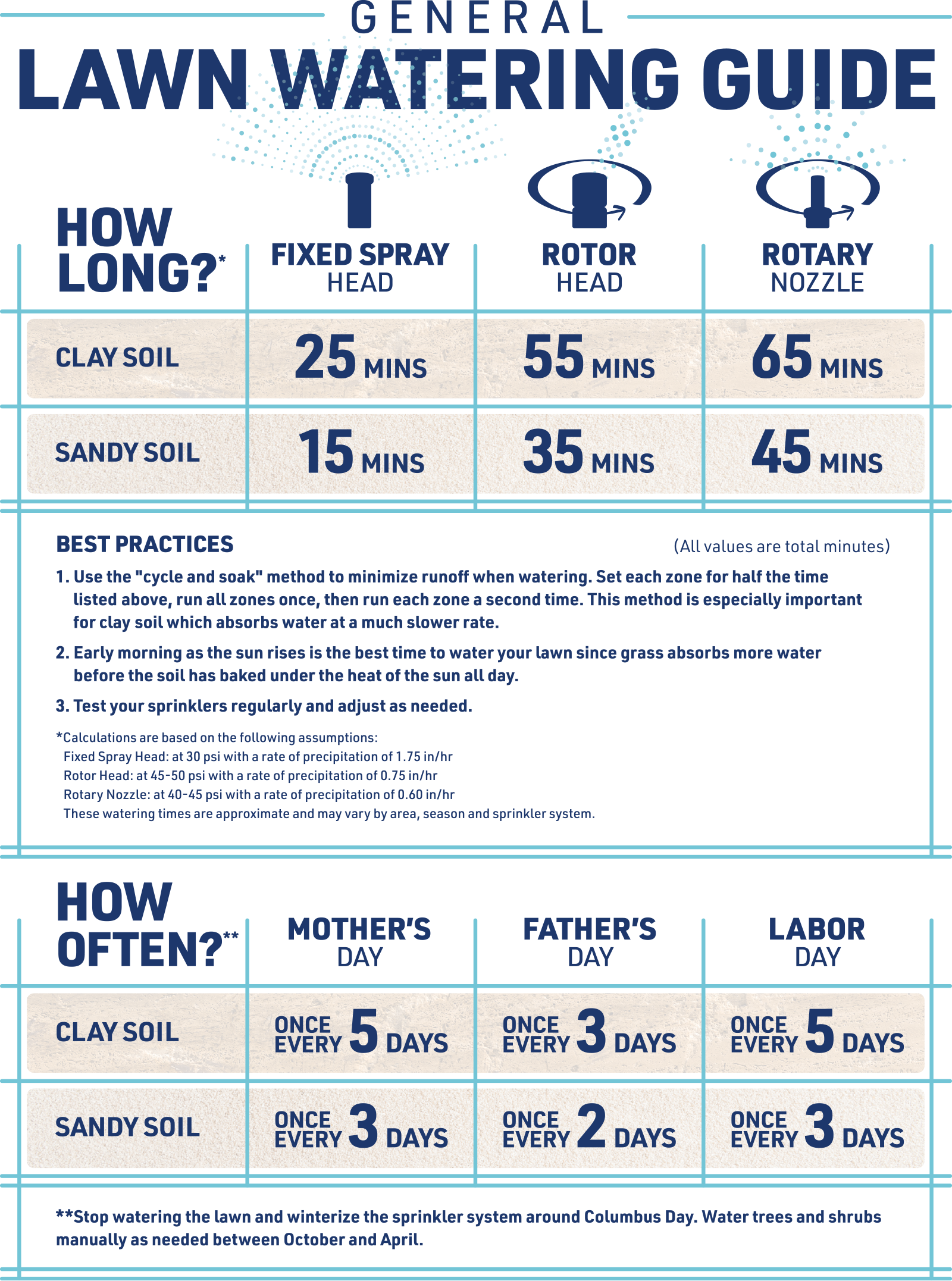
Image Source: grow.ifa.coop
The Big Picture of Lawn Watering
A lush, green lawn is the envy of the neighborhood. But achieving that vibrant carpet of grass isn’t just about mowing and fertilizing; it’s fundamentally about water. How often you water your lawn is a critical piece of the puzzle, impacting everything from root depth to disease resistance. It’s a question that sparks a lot of debate among lawn care enthusiasts. Is it daily little sprinkles or infrequent deep soaks? The answer, like most things in life, is nuanced and depends on a variety of elements.
Fathoming Your Lawn’s Thirst: Key Factors Affecting Watering Needs
The ideal lawn watering frequency isn’t a one-size-fits-all answer. Several factors affecting lawn watering play a significant role. Ignoring these can lead to overwatering or underwatering, both detrimental to your grass’s health.
Soil Type: The Foundation of Hydration
Your soil is the primary reservoir for your lawn’s water supply. Different soil types hold water differently.
- Sandy Soils: These soils drain quickly. Water doesn’t linger, meaning it can dry out faster. You’ll likely need to water more often, but still aim for depth when you do.
- Clay Soils: Clay soils hold onto water for much longer. Overwatering can lead to waterlogged conditions, which can suffocate roots and encourage fungal diseases. Water less frequently but ensure it penetrates deeply.
- Loam Soils: A good mix of sand, silt, and clay, loam soils offer excellent drainage and water retention. They are generally the most forgiving and require a balanced watering approach.
Weather Conditions: Nature’s Influence
The weather is a huge driver of your lawn’s water needs.
- Temperature: Hot, sunny days increase evaporation from the soil surface and transpiration from the grass blades. Your lawn will need more water during heatwaves.
- Wind: Windy conditions also speed up evaporation, drawing moisture out of the soil and off the grass.
- Rainfall: Obviously, natural rainfall reduces or eliminates the need for supplemental watering. Keep track of how much rain you’re getting.
Grass Type: Different Needs for Different Blades
Not all grasses are created equal when it comes to water consumption.
- Cool-Season Grasses (e.g., Kentucky Bluegrass, Fescues, Ryegrass) generally thrive in cooler temperatures and may require more frequent watering during hot summer spells.
- Warm-Season Grasses (e.g., Bermuda, Zoysia, St. Augustine) are more drought-tolerant once established and can often go longer periods without water.
Time of Year: Seasonal Demands
- Spring: As temperatures warm, your grass starts to grow actively and may need more water.
- Summer: This is often the peak demand period, especially during hot, dry spells.
- Fall: As temperatures cool and growth slows, watering needs decrease.
- Winter: Dormant grasses generally require little to no supplemental watering, especially in regions with regular winter precipitation.
Sun Exposure: The Sun’s Role
Lawns that receive full sun all day will dry out much faster than those in partial shade. The amount of direct sunlight directly impacts how quickly the soil loses moisture.
The Art of Watering: Deep vs. Shallow
The goal of watering is to moisten the soil deeply, encouraging roots to grow downwards in search of moisture. This is the essence of deep watering lawn techniques.
Deep Watering Lawn: The Gold Standard
Deep watering lawn means applying enough water to penetrate the soil to a depth of 4 to 6 inches. This encourages the grass roots to grow down into the soil, making the lawn more resilient to drought and stress.
- How to achieve it: Instead of short, frequent sprinklers, water for longer periods less often. For most established lawns, this means applying about 1 to 1.5 inches of water per week, spread over one or two watering sessions.
- Why it’s better: Deep watering promotes a healthier, more robust root system. Shallow watering, on the other hand, leads to weak, shallow roots that are more susceptible to drying out and stress.
Shallow Watering Lawn: The Common Pitfall
Shallow watering lawn involves applying small amounts of water frequently. This might make the surface of the grass look green temporarily, but it does more harm than good in the long run.
- The problem: Shallow watering encourages grass roots to stay near the surface. When the surface dries out, the grass quickly wilts and suffers. It also makes the lawn more vulnerable to heat stress and disease.
- When it might seem okay: For very new lawns or during extreme, short-lived heat waves where a quick spray might prevent immediate wilting, shallow watering might be considered. However, it should not be the standard practice.
Watering New Lawn: Getting Roots Established
A watering new lawn strategy is significantly different from maintaining an established one. New grass seed or sod needs consistent moisture to germinate and establish a root system.
Watering New Seed: Patience and Persistence
- Keep the surface moist: For new seed, the top half-inch of soil needs to be kept consistently moist, but not waterlogged. This often means light, frequent watering for the first few weeks.
- Sprinkle gently: Use a sprinkler that creates a fine mist to avoid washing away the seeds.
- Adjust frequency: As the grass starts to sprout and grow, you can gradually decrease the frequency and increase the duration of watering, moving towards a deeper watering schedule.
Watering New Sod: Helping It Settle In
- Initial soak: Water new sod immediately after laying it to ensure good contact between the sod and the soil below.
- Daily watering for the first week: Keep the sod moist for the first 7-10 days, watering daily or even twice a day if it’s hot and dry.
- Gradual transition: As the sod begins to root into the soil (you can test this by trying to lift a corner – it should resist), you can gradually transition to a less frequent, deeper watering schedule.
Watering Established Lawn: The Long-Term Strategy
Once your lawn is established, the focus shifts to promoting deep roots and efficient water use.
The 1-1.5 Inch Rule
A common guideline for watering established lawn is to provide 1 to 1.5 inches of water per week, either through rain or irrigation.
- How to measure: You can use a rain gauge or place several empty tuna cans or straight-sided containers around your lawn while the sprinklers are running. Measure the amount of water collected to determine how long you need to water to reach the target.
- Frequency: Instead of watering a little bit every day, aim to water deeply once or twice a week. This allows the soil to dry out slightly between waterings, encouraging roots to seek moisture deeper in the ground.
Adjusting for Conditions
- Hot and Dry: If temperatures are consistently above 80°F (27°C) and there’s no rain, you might need to increase the total weekly amount or water more frequently, but still aim for depth.
- Cooler or Cloudy: During cooler periods or when it’s cloudy, you can reduce watering frequency.
- Drought Tolerant Lawn Watering: For lawns specifically planted with drought tolerant lawn watering species, you can significantly reduce watering frequency. These grasses have adapted to withstand longer dry periods. Monitor the lawn for signs of stress rather than watering on a strict schedule.
The Best Time to Water Lawn: Maximizing Efficiency
Timing is crucial for effective lawn watering. Watering at the wrong time can lead to wasted water and unhealthy grass.
Early Morning: The Optimal Window
The best time to water lawn is generally between 4 a.m. and 10 a.m.
- Reduced Evaporation: Cooler morning temperatures mean less water is lost to evaporation before it can soak into the soil and reach the roots.
- Disease Prevention: Watering in the morning allows the grass blades to dry off throughout the day. Wet grass overnight can create a breeding ground for fungal diseases.
- Water Pressure: Water pressure is often higher in the early morning, leading to more efficient sprinkler performance.
Midday Watering: Generally Discouraged
Watering in the heat of the day is inefficient.
- High Evaporation: A significant portion of the water will evaporate before it reaches the soil.
- Leaf Scorch: While the old belief that water droplets act like magnifying glasses and scorch leaves is largely a myth, constantly wet leaves in high heat can still stress the grass.
Evening Watering: A Risky Choice
Watering in the late afternoon or evening can also be problematic.
- Lingering Moisture: If the grass blades remain wet overnight, it significantly increases the risk of fungal diseases like dollar spot, brown patch, and red thread.
- Lower Water Pressure: Water pressure can sometimes be lower in the evenings as more people use water for household needs.
Recognizing the Signs: Your Lawn’s Communication
Your lawn will tell you when it needs water. Learning to read these signs is key to lawn watering frequency management.
Signs of Under-Watered Lawn
An signs of underwatered lawn indicate your grass is stressed due to lack of moisture.
- Wilting and Flattening: Grass blades lose their stiffness and start to fold or lie flat. They may appear dull or bluish-gray.
- Footprints Remain: If you walk on the grass and your footprints stay visible for a while, it’s a sign the blades lack the moisture to spring back.
- Color Change: The grass will start to turn a dull green, then a brownish or straw-like color as it goes dormant to conserve moisture.
- Leaf Blade Curling: Individual grass blades may start to curl inwards to reduce water loss.
Signs of Overwatered Lawn
Conversely, too much water can be just as damaging. Signs of an signs of overwatered lawn are often subtle at first.
- Yellowing Grass: While underwatered grass turns brown, overwatered grass can turn yellow. This is often because the roots are drowning and can’t absorb nutrients properly.
- Mushy Soil: The ground will feel soggy and soft, even hours after watering.
- Fungal Growth: Mushrooms or other fungi may appear on the lawn.
- Increased Thatch: Overwatering can promote a thick, spongy layer of thatch that hinders water and air penetration.
- Weed Infestation: Certain weeds, like sedges, thrive in overly wet conditions.
Drought Tolerant Lawn Watering: Adapting to Dry Spells
Drought tolerant lawn watering involves adapting your watering practices to conserve water during dry periods.
- Embrace Dormancy: Many drought-tolerant grasses can go dormant during severe droughts. They will turn brown but can often green up again when rain returns. Allowing your lawn to go dormant is a water-saving strategy.
- Water Deeply, Infrequently: When you do water a drought-stressed lawn, water as deeply as possible to encourage any remaining roots to grow deeper.
- Reduce Mowing Height: Slightly increasing your mowing height can help the grass shade its own roots and reduce water loss.
- Avoid Fertilizing: Fertilizing during a drought encourages growth that the lawn can’t sustain with limited water.
- Monitor Foot Traffic: Limit heavy foot traffic on a drought-stressed lawn, as it can cause more damage when the grass is already weak.
Maximizing Your Sprinkler System’s Efficiency
Your irrigation system is your primary tool for watering, so ensuring it works well is important.
Sprinkler Types and Coverage
- Impact Sprinklers: Good for large areas, but can be less efficient and might throw water unevenly.
- Rotor Sprinklers: Similar to impact sprinklers, suitable for larger zones.
- Spray Sprinklers: Best for smaller, irregular-shaped areas.
- Soaker Hoses/Drip Irrigation: More efficient for garden beds, but can be used for lawns in specific setups.
What to Check
- Coverage: Ensure sprinklers are covering the entire lawn area without significant overlap or dry spots. Adjust sprinkler heads or add more zones if needed.
- Sprinkler Heads: Make sure heads are clean and not clogged. Check for leaks.
- Watering Schedule: If you have an automated system, program it for early morning watering.
Watering Established Lawn: A Practical Approach
Let’s put it all together for a practical watering established lawn routine.
- Know Your Soil: Understand whether you have sandy, clay, or loam soil.
- Identify Your Grass Type: Cool-season or warm-season?
- Observe the Weather: Is it hot, windy, rainy?
- Monitor the Lawn: Look for the signs of thirst mentioned earlier.
- Water Deeply: Aim for 4-6 inches of soil penetration.
- Water Infrequently: Typically once or twice a week is sufficient.
- Water in the Morning: The ideal time is between 4 a.m. and 10 a.m.
- Measure Your Water: Use cans to determine how long you need to water to apply 1 to 1.5 inches.
Example Watering Schedule (General Guideline for Established Lawn):
| Condition | Frequency | Duration per Session | Target Water Amount | Notes |
|---|---|---|---|---|
| Moderate Temps | 1-2 times per week | 20-30 minutes per zone | 1-1.5 inches total | Check soil moisture; adjust if rain occurs. |
| Hot & Dry (80°F+) | 2-3 times per week | 25-35 minutes per zone | 1.5-2 inches total | Monitor for signs of stress; ensure deep penetration. |
| Cool & Cloudy | 1 time per week | 15-25 minutes per zone | 0.5-1 inch total | Reduce frequency; lawn uses water slower. |
| Drought Tolerant | As needed | Varies | Varies | Allow dormancy; water deeply only when stressed and rain is scarce. |
| New Seed/Sod | Daily/Twice Daily | Light, frequent | Keep top 0.5 inch moist | Transition to deeper watering as roots establish. |
Conclusion: A Thriving Lawn Through Smart Watering
Achieving a lush, healthy lawn is within reach when you apply smart watering practices. It’s not about adhering to a rigid schedule, but rather about observing your lawn, understanding the factors affecting lawn watering, and responding appropriately. By prioritizing deep watering lawn techniques, watering at the best time to water lawn, and recognizing the signs of underwatered lawn and signs of overwatered lawn, you can cultivate a resilient and beautiful turf that enhances your home’s curb appeal and provides a vibrant outdoor space for years to come. Remember, a healthy lawn is a thirsty lawn, but it’s one that knows how to drink efficiently.
Frequently Asked Questions (FAQ)
Q1: How do I know if my lawn needs watering?
A: Look for signs like wilting grass blades that don’t spring back after being stepped on, a dull bluish-gray color, or grass that feels dry and brittle.
Q2: Can I water my lawn every day?
A: It’s generally not recommended to water your lawn every day. This promotes shallow root growth and can lead to disease. Aim for deep watering once or twice a week instead.
Q3: How long should I run my sprinklers?
A: The duration depends on your sprinkler type and water pressure. A good goal is to run them long enough to deliver 1 to 1.5 inches of water, which can take anywhere from 20-30 minutes per zone for efficient systems to much longer for less efficient ones. Use a rain gauge or cans to measure.
Q4: Is it okay to water my lawn at night?
A: Watering at night is generally discouraged. It leaves grass blades wet overnight, increasing the risk of fungal diseases. Early morning is the best time.
Q5: My lawn is turning brown. Is it underwatered or overwatered?
A: Both can cause browning. Underwatered lawns typically turn a straw-like brown and feel dry. Overwatered lawns may turn yellow or have patches that are brown and mushy, often accompanied by fungal growth.
Q6: How do I water a lawn on a slope?
A: On slopes, water in cycles. Run sprinklers for a short period until the surface is moist, then let it soak in for an hour or two before running them again. This prevents water from running off before it can penetrate the soil.
Q7: I have a drought-tolerant grass. How often should I water it?
A: Drought-tolerant grasses are designed to survive on less water. Water them deeply and infrequently, only when they show clear signs of stress, such as wilting and turning brown. They can often go dormant during extended dry periods.
Q8: Should I water my lawn when it’s very hot?
A: While lawns need water when it’s hot, watering in the peak heat of the day is inefficient due to evaporation. It’s better to water in the early morning. If your lawn is severely stressed during a heatwave, a very early morning deep watering is best.