
Moss in your lawn can be a frustrating sight. It’s a common problem for many homeowners, and figuring out how to get rid of it effectively is key to a healthy, vibrant lawn. What is moss, and why does it grow? Moss is a non-flowering, non-vascular plant that thrives in damp, shady conditions. It doesn’t have deep roots like grass, which makes it easy to spread across bare patches. Can you kill moss with common household items? While some household items might temporarily suppress moss, they are not recommended for effective and lasting lawn care moss treatment.
This guide will delve into the best ways to tackle moss, from understanding its causes to implementing the most effective lawn moss removal techniques. We’ll cover everything you need to know to kill moss on grass and eliminate moss from lawn for good.
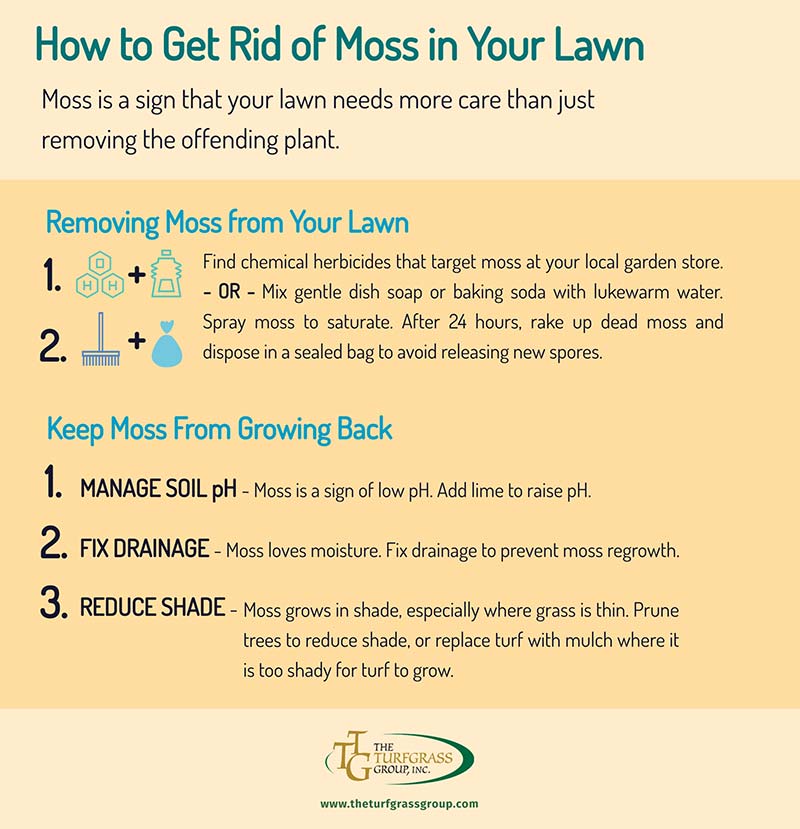
Image Source: theturfgrassgroup.com
Why Does Moss Grow In My Lawn?
Several factors contribute to moss taking over your lawn. Grasping these reasons is the first step toward a successful moss control for lawns strategy.
Environmental Conditions Favoring Moss
Moss loves conditions that grass struggles in.
- Shade: Deep shade from trees or buildings significantly reduces sunlight. Grass needs sunlight to grow strong, but moss can flourish with very little light. This is why you often find moss creeping into shaded corners of your yard.
- Moisture: Moss thrives in consistently damp soil. Poor drainage, excessive watering, or frequent rainfall can create the ideal environment for moss to spread.
- Poor Soil Conditions: Moss often signals underlying soil issues.
- Low Fertility: When your soil lacks essential nutrients, grass can become weak and thin, leaving space for moss to invade.
- Acidic Soil (Low pH): Moss prefers acidic conditions. If your soil pH is too low, grass will struggle, while moss will be quite happy.
- Compacted Soil: Compacted soil prevents air and water from reaching grass roots, hindering their growth and making them susceptible to moss. It also retains moisture, creating a perfect breeding ground for moss.
- Infrequent Mowing or Mowing Too Short: Mowing your grass too short weakens it, making it more vulnerable. Conversely, letting grass grow too long can lead to a thick thatch layer, which traps moisture and promotes moss growth.
Identifying the Root Causes
To effectively remove moss from garden areas, including your lawn, you need to address the root causes, not just the symptom.
- Drainage Issues: Is water pooling in certain areas of your lawn after rain? This indicates poor drainage.
- Soil Compaction: Can you easily push a screwdriver into your soil? If it’s difficult, your soil is likely compacted.
- Soil pH: A simple soil test can reveal if your soil is too acidic.
- Sunlight Levels: Observe how much direct sunlight different parts of your lawn receive throughout the day.
Effective Methods for Lawn Moss Removal
Now that we know why moss appears, let’s explore how to get rid of it. There are several effective lawn moss removal methods, ranging from manual removal to chemical treatments.
Manual Moss Removal
This is often the first step in lawn moss removal and can be done with simple tools.
- Raking: For light moss infestations, a stiff garden rake can physically remove moss. Rake vigorously in different directions to pull out as much moss as possible. This is best done when the moss is dry.
- Wire Brush: A stiff wire brush can be effective for stubborn patches of moss. Work it into the turf to loosen the moss and then rake it out.
- Spading Fork: For compacted soil, using a spading fork to aerate the lawn before removing moss can be beneficial. Poke the fork into the soil at intervals, especially in areas with heavy moss growth.
Using a Moss Killer (Chemical & Natural Approaches)
When manual methods aren’t enough, a dedicated moss killer or other treatments can be very effective.
Chemical Moss Killers
These products are designed to kill moss quickly. Always follow the manufacturer’s instructions carefully and wear protective gear.
- Iron-Based Moss Killers: These are among the best moss killer for lawns. Products containing ferrous sulfate (iron sulfate) or ferrous ammonium sulfate are common.
- How they work: Iron sulfate rapidly kills moss, turning it black. It also provides iron to the soil, which can benefit grass growth. However, iron can stain concrete and patios, so be careful with application.
- Application: Typically applied as a liquid spray or granules. Allow it to sit for a few days, then rake out the dead moss.
- Detergent-Based Moss Killers: Some products use detergents to break down the moss’s cell structure.
- How they work: These are generally less toxic than some other chemical options but still require careful handling.
- Application: Applied as a spray. The moss will die back and can then be raked out.
- Other Chemical Options: Some products contain active ingredients like quaternary ammonium compounds, which also effectively kill moss on grass.
Important Considerations for Chemical Moss Killers:
- Timing: Apply when the moss is actively growing, usually in spring or autumn.
- Weather: Avoid application before heavy rain, as it can wash the product away. Do not apply during extreme heat or drought.
- Safety: Keep pets and children off the treated lawn until it is safe, as specified on the product label.
- Lawn Health: While these products kill moss on grass, they are primarily moss killers, not fertilizers. Your lawn may need additional care afterward.
Natural Moss Removal Lawn Options
For those who prefer to avoid chemicals, there are natural moss removal lawn methods.
- Vinegar (Acetic Acid): Household vinegar (5% acetic acid) can be used. Mix it with water (1 part vinegar to 4 parts water) and spray directly onto the moss.
- Pros: Readily available, relatively inexpensive.
- Cons: Can harm grass if applied too concentrated or too often. It works by contact and does not address the underlying causes. Repeat applications may be necessary. It’s a natural moss removal lawn option but needs careful use.
- Baking Soda: Baking soda can also help. Sprinkle it directly onto the moss or make a paste with water and apply.
- Pros: Natural, helps raise soil pH (if your soil is too acidic).
- Cons: Can be harsh on grass if used excessively. Similar to vinegar, it’s a temporary solution and won’t fix the root problem.
- Boiling Water: Pouring boiling water directly onto moss can kill it.
- Pros: Simple, chemical-free.
- Cons: Very localized, can also kill grass, and is labor-intensive for larger areas.
- Lime: Agricultural lime can be used to raise the soil’s pH, making it less hospitable to moss and more favorable to grass.
- Pros: Addresses soil acidity, which is a common cause of moss.
- Cons: Takes time to work and requires a soil test to determine the correct amount needed. Applying too much lime can be detrimental to your lawn.
Table 1: Natural Moss Removal Options
| Method | How it Works | Pros | Cons |
|---|---|---|---|
| Vinegar | Acid burns moss tissue | Readily available, inexpensive | Can damage grass, requires repeat applications, doesn’t fix root cause |
| Baking Soda | Dehydrates moss, raises soil pH | Natural, can help acidic soil | Can damage grass, requires repeat applications, doesn’t fix root cause |
| Boiling Water | Heats and kills moss cells | Simple, chemical-free | Kills grass too, labor-intensive |
| Lime | Raises soil pH, making it less hospitable to moss | Addresses soil acidity, benefits grass growth | Takes time, requires soil test, over-application is harmful |
Steps to Eliminate Moss from Lawn and Prevent Future Growth
Simply killing the moss is only half the battle. To truly eliminate moss from lawn and keep it away, you need to address the conditions that allowed it to thrive in the first place. This is crucial for long-term lawn care moss success.
Step 1: Kill and Remove the Existing Moss
Start by treating the visible moss. Choose a method that suits your preference and the severity of the infestation. Whether you opt for a commercial moss killer or a natural moss removal lawn approach, the goal is to get rid of what’s there.
- Apply Moss Killer: Follow product instructions precisely.
- Wait for Action: Allow the moss killer time to work. You’ll typically see the moss turn black or brown.
- Rake Out Dead Moss: Once the moss is dead, use a stiff rake or scarifier to remove all the dead material. This is important to prevent the dead moss from decomposing and contributing to thatch.
Step 2: Aerate Your Lawn
Aeration is key to improving soil structure and drainage, which are vital for healthy grass and discouraging moss.
- Core Aeration: This process involves removing small plugs of soil from your lawn. This allows air, water, and nutrients to penetrate the soil more easily, reaching the grass roots. It also helps to alleviate soil compaction.
- Timing: Core aeration is best done in the spring or early autumn when the grass is actively growing.
Step 3: Scarify or Dethatch Your Lawn
Thatch is a layer of dead and living organic matter that builds up between the grass blades and the soil surface. A thick thatch layer can hold moisture and create an ideal environment for moss.
- Scarifying: This involves using a scarifier (also known as a dethatcher) to cut into the soil and pull out thatch and moss.
- Mechanical Dethatcher: You can rent or buy a powered dethatcher for larger lawns. For smaller areas, a stiff rake can work.
- Timing: Scarifying is best done after aerating and when the grass is actively growing.
Step 4: Improve Drainage
If poor drainage is a significant factor, you might need to implement more substantial solutions.
- Leveling: If low spots are collecting water, you might need to top-dress these areas with a soil and compost mix to level them out.
- French Drains: For severe drainage problems, installing French drains can be a long-term solution.
- Amend Soil: Incorporating organic matter like compost into the soil can improve its structure and drainage over time.
Step 5: Address Soil pH
Moss thrives in acidic soil. Use a soil test kit to determine your soil’s pH.
- Lowering Acidity: If your soil is too acidic (pH below 6.0), apply lime according to the soil test recommendations. This will make the soil more alkaline, which grass prefers and moss dislikes.
- Raising Acidity: If your soil is too alkaline for your grass type, you might use sulfur-based products, but this is less common for moss problems.
Step 6: Overseed Bare Patches
Moss often colonizes bare or thin areas of the lawn. Once you’ve removed the moss and improved the soil conditions, it’s time to encourage thicker grass growth.
- Choose the Right Seed: Select grass seed that is suitable for your climate and the specific conditions of your lawn (e.g., shade-tolerant varieties if the area is shady).
- Prepare the Area: Loosen the soil slightly in bare patches.
- Sow Seeds: Spread the grass seed evenly.
- Water and Fertilize: Keep the seedbed consistently moist until germination. Once the grass is established, fertilize your lawn to promote healthy growth. This is a critical part of prevent moss in lawn strategies.
Step 7: Ongoing Lawn Care Practices
Consistent, good lawn care moss practices are essential for keeping moss at bay.
- Proper Mowing: Mow your grass at the recommended height for your grass type. Avoid mowing too short.
- Regular Watering: Water deeply and less frequently to encourage deeper root growth. Avoid overwatering.
- Fertilize Appropriately: Feed your lawn with a balanced fertilizer at the right times of the year to keep grass healthy and dense.
- Improve Sunlight: Trim overhanging tree branches or shrubs that cast too much shade on your lawn.
When to Use the Best Moss Killer for Lawns
The best moss killer for lawns is one that is effective and suits your lawn’s needs. However, the timing of application is crucial.
- Spring: Early to mid-spring is an ideal time. The grass is starting to grow, and the moss is also active. Treating it now will help you get a head start on lawn moss removal.
- Autumn: Early autumn is another excellent time. The cooler temperatures and increased moisture provide ideal conditions for moss, but also for grass to recover and re-establish after treatment.
Table 2: Best Times to Apply Moss Killer
| Season | Advantages | Considerations |
|---|---|---|
| Spring | Moss is actively growing; grass is starting to recover. | Avoid extreme heat or drought. |
| Autumn | Cooler temperatures and moisture favor moss and grass recovery. | Apply early autumn before the first hard frost. |
| Summer | Generally not recommended due to heat stress on grass and reduced moss activity. | If necessary, apply on a cool, overcast day and water thoroughly afterwards. |
| Winter | Moss may be dormant, reducing the effectiveness of treatments. | Not recommended. |
Frequently Asked Questions (FAQ)
Q1: Can I just rake the moss out of my lawn?
A1: Raking can remove surface moss, especially if it’s a light infestation. However, it’s often a temporary solution. For lasting results and to eliminate moss from lawn, you need to address the underlying causes and potentially use a moss killer.
Q2: Is it okay to use household bleach on moss?
A2: It is not recommended to use household bleach on your lawn. Bleach can severely damage your grass, harm beneficial soil microbes, and potentially contaminate nearby water sources. Stick to products specifically designed for lawn care moss or known natural moss removal lawn safe methods.
Q3: How long does it take for moss killer to work?
A3: This varies depending on the product. Most chemical moss killer products will show results within a few days to a week, with the moss turning black. Natural methods might take longer. Always check the product label for specific waiting times before raking.
Q4: Will killing the moss also kill the grass?
A4: Some moss killers, especially if over-applied or used at the wrong concentration, can harm grass. It’s crucial to follow product instructions carefully. Natural methods like vinegar and baking soda can also damage grass if not used judiciously. Addressing the conditions that favor moss is the best way to prevent it from damaging your grass.
Q5: How often should I reapply moss killer?
A5: For most products, reapplication isn’t necessary if you’ve addressed the root causes. However, if moss returns, a spot treatment might be needed. The best approach is to focus on improving your lawn’s overall health to prevent moss in lawn.
Q6: My lawn is very shady. What’s the best way to deal with moss?
A6: In shady areas, the best approach is to encourage shade-tolerant grass species. Overseeding with a shade-mix and ensuring good soil aeration and drainage are key. While you can use a moss killer, long-term success depends on choosing the right grass for the conditions and managing moisture levels.
Q7: Can I remove moss from my garden paths and patios?
A7: Yes, you can remove moss from garden paths and patios. Many of the same principles apply. Stiff brushing and using appropriate cleaners (some commercial cleaners are available, or diluted vinegar) can work. However, be mindful that the porous nature of some materials might lead to moss returning if the underlying damp conditions aren’t addressed.
Conclusion
Dealing with moss in your lawn requires a multi-faceted approach. By understanding why moss thrives, you can implement the most effective strategies to kill moss on grass and achieve successful lawn moss removal. Whether you choose a potent moss killer or explore natural moss removal lawn options, remember that addressing underlying issues like poor drainage, soil compaction, and low fertility is paramount. Consistent and proper lawn care moss practices will not only help you eliminate moss from lawn but will also promote a healthier, greener, and more resilient lawn for years to come. Prioritizing these steps is the key to truly prevent moss in lawn and enjoy a beautiful outdoor space.