
Does your lawn have a lush, carpet-like feel, but it’s actually a spongy, green moss? You’re not alone! Many homeowners struggle with green moss on lawn, especially in shady or damp areas. The question, “Can I get rid of moss on my lawn easily?” is a common one, and the answer is yes, with the right approach. This guide will walk you through moss removal, how to kill moss on grass, and how to prevent moss in lawn for good.
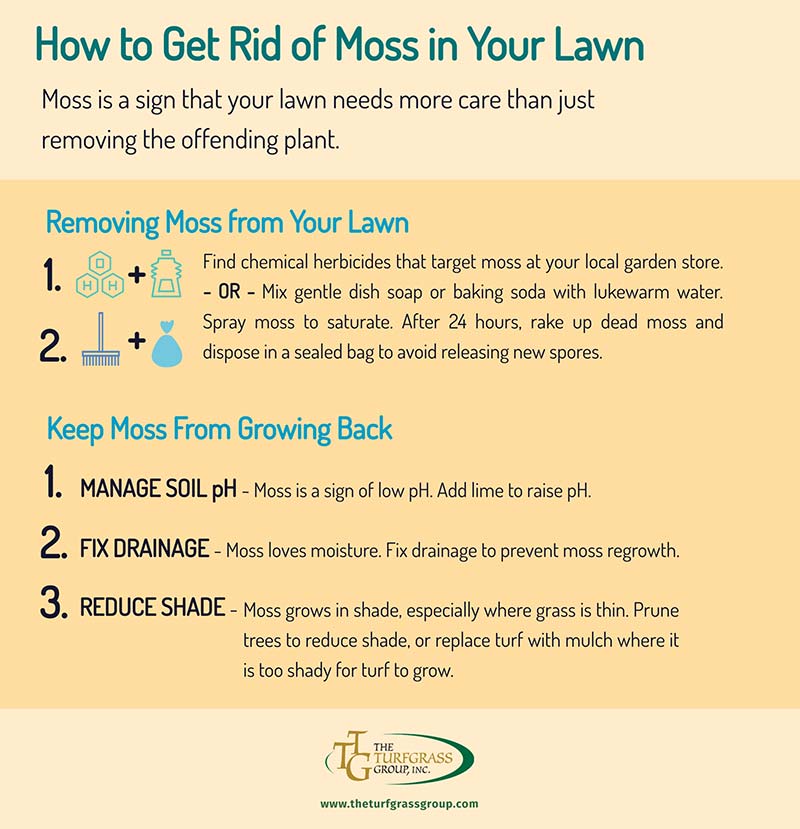
Image Source: theturfgrassgroup.com
What is Lawn Moss and Why Does it Grow?
Moss is a non-flowering plant that thrives in damp, shady environments with compacted soil. It doesn’t have roots like traditional grass; instead, it attaches itself to surfaces with tiny root-like structures called rhizoids. While it can create a soft surface, it often chokes out grass, making your lawn look thin and unhealthy.
Common Causes of Moss Growth
Several factors contribute to moss taking over your lawn:
- Shade: Most grass types need at least 4-6 hours of direct sunlight daily. Areas that receive less sun are prime real estate for moss.
- Dampness: Moss loves moisture. Poor drainage, overwatering, or excessive rainfall can create the perfect conditions.
- Compacted Soil: Compacted soil prevents water and air from reaching grass roots, making it harder for grass to grow and easier for moss to spread.
- Low Soil Fertility: When your soil lacks essential nutrients, grass struggles, creating an opening for moss.
- Low pH (Acidic Soil): Moss generally prefers slightly acidic soil, which is common in many regions.
- Overgrown Thatch: A thick layer of dead grass clippings and debris can hold moisture and block sunlight, favoring moss.
Fast Moss Removal: Your Step-by-Step Guide
Getting rid of moss quickly involves a two-pronged approach: killing the existing moss and addressing the underlying causes to prevent its return.
Step 1: Identify and Address the Root Causes
Before you start any moss treatment for lawns, it’s crucial to figure out why the moss is growing in the first place. Tackling these issues is key to long-term success.
Assessing Your Lawn’s Conditions
- Sunlight: Observe your lawn throughout the day. Which areas are consistently shady? Can you prune trees or shrubs to let in more light?
- Moisture: Does water pool on your lawn after rain? Is your irrigation system over-watering certain areas?
- Soil Compaction: Try pushing a screwdriver or a thin rod into the soil. If it’s difficult to push in, your soil is likely compacted.
- Soil pH: You can test your soil’s pH using a home testing kit or by sending a sample to your local extension office. Most grasses prefer a pH between 6.0 and 7.0.
Making Necessary Adjustments
- Improve Drainage: If you have drainage issues, consider aerating your lawn or installing French drains.
- Adjust Watering: Water your lawn deeply but infrequently to encourage deeper root growth. Avoid watering in the late afternoon or evening, as this can leave the grass wet overnight.
- De-compact Soil: Aeration is your best friend here. Use a core aerator to pull out small plugs of soil, allowing air, water, and nutrients to penetrate.
- Fertilize Appropriately: Feed your lawn with a balanced fertilizer, especially in the fall and spring, to encourage strong grass growth.
- Amend Soil pH: If your soil is too acidic, you can add lime to raise the pH. Follow product instructions carefully. If it’s too alkaline, you might add sulfur.
Step 2: Choose Your Moss Removal Method
Once you’ve started addressing the causes, it’s time to tackle the existing moss. Here are several effective moss control methods.
Chemical Moss Killers (The Fastest Option)
For rapid moss removal, chemical moss killers are often the most effective. They work by dehydrating and killing the moss.
Popular Active Ingredients
- Iron Sulfate (Ferrous Sulfate): This is a common and effective ingredient. It kills moss quickly, turning it black. It also helps to fertilize the lawn with iron, promoting greener grass. However, iron sulfate can stain concrete and patios, so be careful with application.
- Detergents (e.g., Potassium Salts of Fatty Acids): These act as surfactants, breaking down the moss’s cell walls. They are generally gentler than iron-based products and less likely to stain.
- Ammonium Sulfate: While primarily a fertilizer, it can also help kill moss, especially when applied at higher concentrations.
How to Use Chemical Moss Killers
- Read the Label: Always follow the manufacturer’s instructions precisely.
- Choose a Dry Day: Apply when rain is not expected for at least 24-48 hours, and the moss is dry.
- Apply Evenly: Use a spreader for granular products or a sprayer for liquid concentrates. Ensure even coverage.
- Observe and Rake: The moss will typically turn black or brown within a few days. Once dead, rake it out thoroughly.
Natural Moss Removal Techniques
If you prefer to avoid chemicals, there are several natural moss removal options. These might take a little longer but are eco-friendly.
1. Boiling Water
- How it Works: The heat from boiling water shocks and kills the moss.
- How to Use: Carefully pour boiling water directly onto the moss. Be cautious not to scald yourself or damage surrounding plants. This is best for small, isolated patches.
2. Vinegar Solution
- How it Works: The acetic acid in vinegar can dehydrate and kill moss.
- How to Use: Mix 1 part white vinegar with 3-4 parts water in a spray bottle. Spray directly onto the moss. Avoid spraying onto grass, as it can also harm it. Repeat as needed.
3. Baking Soda
- How it Works: Baking soda raises the pH of the soil and can desiccate the moss.
- How to Use: Sprinkle baking soda directly onto the mossy areas. You can also mix it with water to form a paste or spray. Use sparingly, as too much can harm your grass.
4. Dish Soap (Gentle Option)
- How it Works: A small amount of mild dish soap can break down the moss’s outer layer.
- How to Use: Mix a teaspoon of mild dish soap with a gallon of water. Spray onto the moss. This is a gentler approach, best for light moss infestations.
Step 3: Rake and Remove the Dead Moss
After applying your chosen moss treatment for lawns, it’s essential to remove the dead moss.
- Use a Stiff-Bristled Rake: A metal garden rake or a specific moss rake works best.
- Rake Vigorously: Work the rake over the mossy areas to lift and remove the dead material. This will also help loosen compacted soil.
- Dispose of Debris: Collect the removed moss and dispose of it properly.
Step 4: Reseed or Repair Bare Patches
Once the moss is gone, you’ll likely have bare spots where the moss was thriving. This is the perfect opportunity to reintroduce healthy grass.
- Prepare the Soil: Loosen the soil in the bare areas with a rake.
- Choose Appropriate Seed: Select a grass seed mix that suits your lawn’s conditions, especially considering sunlight and shade levels. For shady areas, consider fescue or shade-tolerant bluegrass varieties.
- Sow the Seed: Spread the seed evenly over the prepared soil.
- Cover Lightly: Gently rake the seed into the soil, covering it with a thin layer of topsoil or compost.
- Water Consistently: Keep the newly seeded area consistently moist until the grass is established.
Preventing Moss in Your Lawn: Long-Term Strategies
Killing moss is only half the battle. To truly keep your lawn moss-free, you need to focus on prevent moss in lawn by promoting healthy grass growth.
Aeration: The Cornerstone of Prevention
As mentioned, compacted soil is a major contributor to moss. Regular aeration is crucial.
- Frequency: Aerate your lawn once a year, ideally in the fall or spring when grass is actively growing.
- Tools: You can rent a core aerator or use manual spiking aerators.
Dethatching: Removing the Moss’s Foothold
A thick thatch layer can harbor moss.
- How it Works: Dethatching removes the layer of dead grass stems and roots that build up between the soil and the green grass blades.
- Frequency: Dethatch when the thatch layer exceeds ½ inch. This is usually done in the fall.
Fertilization: Nourishing Your Grass
A well-fed lawn is a dense lawn, which leaves less room for moss.
- Timing: Fertilize in the spring and fall.
- Type: Use a fertilizer appropriate for your grass type and the season. Consider slow-release fertilizers for sustained feeding.
Overseeding: Filling in Gaps
Overseeding regularly helps maintain a thick, healthy lawn.
- Best Time: Fall is generally the best time to overseed, as cooler temperatures and moisture favor seed germination.
- Benefits: It fills in thin patches and introduces more resilient grass varieties.
Watering Wisely: The Moisture Balance
- Deep and Infrequent: Water deeply (about 1 inch of water per week) but less often. This encourages grass to grow deeper roots, making it more drought-tolerant and competitive against moss.
- Morning Watering: Water in the morning so the grass can dry off during the day, reducing the chance of fungal diseases and moss growth.
Managing Shade: Letting in the Light
- Pruning: Trim low-hanging branches of trees and shrubs that cast shade on your lawn.
- Tree Removal: In extreme cases, consider removing trees that are causing persistent, deep shade.
- Shade-Tolerant Grasses: If significant shade is unavoidable, consider planting grass varieties specifically designed for shady conditions.
Best Moss Killer for Lawns: Making the Right Choice
Selecting the best moss killer for lawns depends on your preferences and the severity of the moss problem.
Chemical Options
| Product Type | Active Ingredient(s) | Pros | Cons | Best For |
|---|---|---|---|---|
| Granular Moss Killer | Iron Sulfate (Ferrous) | Kills moss quickly, fertilizes lawn, easy to apply | Can stain concrete, may require raking of dead moss | Moderate to severe moss infestations |
| Liquid Moss Killer | Iron Sulfate, Detergents | Fast-acting, precise application possible | Can be more expensive, potential for drift onto plants | Targeted application, quick results |
| Lawn Repair Products | Various (often Iron) | Combines moss killing with grass seed | May not be effective for severe infestations, slower results | Small patches, general lawn health improvement |
Natural Options
| Method | How it Works | Pros | Cons | Best For |
|---|---|---|---|---|
| Boiling Water | Heat shock | Natural, immediate effect | Only for small patches, labor-intensive | Tiny, isolated moss spots |
| Vinegar Solution | Acidity kills moss | Natural, readily available | Can harm grass, requires careful application | Small, manageable areas, targeted treatment |
| Baking Soda | Alters soil pH, desiccates | Natural, inexpensive | Can harm grass if overused, may need repeat apps | Small patches, mild moss issues |
| Dish Soap Solution | Breaks down moss layer | Gentle, natural | Less potent, may require repeated applications | Very light moss growth, sensitive lawns |
DIY Lawn Moss Removal: Tips for Success
When embarking on DIY lawn moss removal, keep these tips in mind:
- Timing is Key: The best time to treat moss is usually in spring or fall, when the grass is actively growing and temperatures are moderate. Avoid treating during hot, dry spells, as this can stress your lawn.
- Test Patch: If you’re using a new product or method, test it on a small, inconspicuous area of your lawn first to see how it affects the grass.
- Wear Protective Gear: If using chemical treatments, wear gloves, long sleeves, and eye protection.
- Follow Up: Don’t expect a one-time treatment to solve the problem permanently. Consistent maintenance and addressing the underlying causes are vital.
- Patience: While some methods offer fast results, others take time. Be patient and persistent.
Frequently Asked Questions (FAQ)
Q1: How quickly can I expect to see results after killing moss?
A: With chemical treatments like iron sulfate, you can often see moss turning black and dying within a few days to a week. Natural methods may take longer.
Q2: Can I kill moss and reseed my lawn at the same time?
A: It’s best to kill the moss first and then rake it out before reseeding. Some products combine moss killers with grass seed, but it’s often more effective to address the moss as a separate step.
Q3: Will moss kill my grass?
A: Moss doesn’t directly kill grass, but it outcompetes it for sunlight, water, and nutrients. It creates a dense mat that prevents grass from thriving, leading to thinner patches and eventually, dead grass.
Q4: Is there a way to remove moss without harming my grass?
A: Some natural methods, like boiling water or vinegar, can harm grass if not applied carefully. When using chemical moss killers, always follow label instructions and choose products formulated for lawn use. Addressing the underlying causes like shade and compaction is the best way to naturally discourage moss and encourage healthy grass.
Q5: My lawn is very shady. What are my options?
A: If your lawn is persistently shady, you may need to consider planting shade-tolerant grass varieties like fine fescues or certain types of bluegrass. You can also improve light by pruning trees and shrubs. In severe cases, consider replacing the lawn with shade-loving ground cover or a mulch bed.
By following these steps and focusing on the long-term health of your lawn, you can effectively tackle moss and enjoy a lush, green carpet that’s free from the fuzzy green invader. Remember, a healthy lawn is the best defense against moss.