
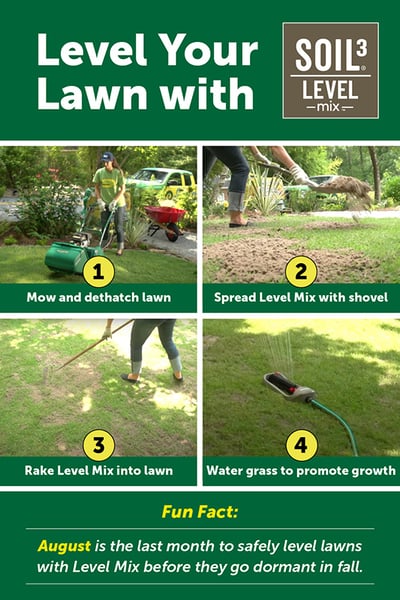
Image Source: info.supersod.com
How To Level A Lawn: Smooth Yard Results
What is the best way to level a lawn? The best way to level a lawn involves a combination of identifying low spots and high spots, then using the right tools and materials to fill or remove excess soil to create a smooth, even surface.
A bumpy, uneven lawn can be more than just an eyesore; it can also pose tripping hazards and make mowing difficult. Fortunately, repairing bumpy lawn areas and filling low spots in lawn areas is a manageable DIY project. Whether you’re dealing with minor dips or significant undulations, the process of lawn leveling techniques can transform your yard into a more functional and attractive space. This guide will walk you through the steps to achieve a beautifully flat yard, making your lawn care tasks much easier.
Why Level Your Lawn?
Before diving into the “how,” let’s consider the “why.” A level lawn offers several benefits:
- Safety: Eliminates tripping hazards for children, pets, and adults.
- Drainage: Promotes better water runoff, preventing waterlogging and root rot in low areas.
- Mowing: Allows for a more consistent and even cut, promoting healthier grass growth.
- Aesthetics: Creates a polished, professional look for your entire yard.
- Playability: Provides a better surface for outdoor activities like playing sports or setting up lawn furniture.
Assessing Your Uneven Lawn
The first step in leveling uneven grass is to thoroughly assess the current condition of your lawn. Walk across your entire yard, paying close attention to any areas that are noticeably lower or higher than the surrounding ground. You might also notice:
- Water pooling after rain.
- Grass that grows unevenly.
- Difficulty pushing a mower without it digging into the turf.
h5: Identifying Problem Areas
- Visual Inspection: Simply walking your lawn is the easiest way to spot major dips and humps.
- String and Stakes: For more precise identification, you can use stakes and string. Drive stakes into the ground at the perimeter of a suspect area. Stretch a string taut between them. If the string dips or rises significantly, you know there’s an issue.
- A Long Board or Level: Place a long, straight board or a large level across different sections of your lawn. Any gaps or unevenness will be immediately apparent.
Lawn Leveling Tools You’ll Need
Gathering the right equipment is crucial for efficient lawn leveling. Here are some common lawn leveling tools you might need:
- Shovel: For digging and moving larger amounts of soil.
- Rake: A sturdy garden rake for spreading soil and smoothing the surface. A landscape rake or a power rake can be helpful for larger areas.
- Wheelbarrow: For transporting soil, compost, or sand.
- Tamper: A flat-bottomed tool to compact the soil, especially after filling low spots. This prevents the fill material from settling too much later.
- Leveling Rake/Screen: A specialized tool, often with a long handle and a flat metal bar, designed for spreading and leveling soil or sand evenly. You can also use a stiff metal rake or a homemade lawn leveler.
- Garden Hose: To help settle the fill material.
- Measuring Tape: For assessing the depth of low spots.
- Gloves and Safety Glasses: For protection.
Lawn Leveling Techniques: Step-by-Step
There are two primary methods for lawn leveling: filling low spots and removing high spots. Often, you’ll need to do a combination of both.
Filling Low Spots in Lawn
This is the most common method and is ideal for dips and depressions.
h4: Method 1: Using Soil and Compost Mix
This method is excellent for smaller to medium-sized low spots.
- Prepare the Low Spot: Loosen the soil in the low area with a shovel or garden fork. This helps the new soil blend with the existing soil and promotes root penetration. Remove any debris, rocks, or weeds.
- Gather Your Materials: The best fill material is a mixture of topsoil and compost. Aim for a ratio of 60% topsoil to 40% compost. Compost provides nutrients and improves soil structure, helping grass establish more quickly. For very shallow dips, a sand and compost mix can also work well.
- Add the Fill Material: Begin filling the low spot with your soil and compost mixture. Add the material in thin layers, no more than 1-2 inches at a time. This is important to avoid smothering the existing grass.
- Spread and Level: Use your rake or leveling rake to spread the new material evenly across the low area. Ensure it’s flush with the surrounding lawn height.
- Compact the Soil: Gently tamp down the added soil with a tamper or by walking on it. This compacts the soil, reducing the chance of it sinking further after watering.
- Seed the Area: Once the surface is leveled, re-seed the treated area with grass seed that matches your existing lawn.
- Water Gently: Water the newly seeded area gently but thoroughly. Keep the soil consistently moist until the new grass has germinated and established.
- Repeat if Necessary: For deeper depressions, you may need to repeat the process of adding thin layers of soil and seeding over several weeks.
h4: Method 2: Top Dressing a Lawn
Top dressing a lawn is a fantastic soil amendment for lawn that also helps to level it over time, particularly for minor imperfections. It involves spreading a thin layer of soil, compost, or a soil-compost mix over the entire lawn surface.
- Choose Your Material: A good top dressing mix is usually about 70% screened topsoil and 30% compost. Sand can also be added for improved drainage.
- Apply in Thin Layers: Spread the material evenly across the lawn using a rake or a specialized top dressing spreader. Apply in thin layers, no more than 1/4 to 1/2 inch at a time.
- Work it In: Use a rake or a landscape rake to gently work the top dressing into the grass blades, ensuring it doesn’t smother the turf.
- Water: Water the lawn lightly after top dressing.
- Patience is Key: Top dressing is best done over multiple applications, perhaps in spring and fall, to gradually fill in minor undulations and improve soil health.
h4: Method 3: Using Sand for Deeper Fills
While sand alone can be problematic due to its poor nutrient content, a mixture of sand and compost is excellent for filling low spots, especially those with poor drainage.
- Prepare the Area: As with other methods, loosen the soil in the low spot.
- Mix Your Materials: A common recommendation is a 60% sand, 40% compost mix. Ensure the sand is coarse, not fine play sand, as coarse sand drains better.
- Apply in Layers: Fill the low spot with your sand-compost mix, adding in layers of 1-2 inches.
- Level and Compact: Rake the material smooth and compact it as described previously.
- Seed and Water: Seed the area and keep it moist.
Removing High Spots
If you have areas where the soil is too high, you’ll need to remove some of the excess soil.
- Identify the Mound: Pinpoint the raised area.
- Slice and Lift: Use a sharp spade or a sod cutter to cut the turf into manageable sections. Carefully lift the sod and set it aside, keeping the root side down to preserve it.
- Remove Soil: Use a shovel to remove the excess soil from the mound until the area is level with the surrounding lawn.
- Rake Smooth: Rake the exposed soil smooth.
- Replace Sod or Reseed: Lay the reserved sod back down, pressing it firmly into the soil. If the removed sod is too dry or damaged, you can reseed the area.
- Water Thoroughly: Water the area well to help the sod (or new grass) establish.
Grading a Yard for Significant Issues
For larger areas with considerable slopes or severe unevenness, a more involved process called grading a yard might be necessary. This often involves reshaping the land on a larger scale.
h5: When to Consider Professional Grading
- Major Drainage Problems: If your entire yard slopes towards your house or has large standing water areas.
- Significant Undulations: Large mounds and dips that cannot be managed with simple filling or removal.
- Building or Renovation: After construction projects that have disturbed the yard’s natural grade.
If you decide to tackle grading yourself, it requires careful planning and often heavier equipment. The goal is to create a gentle slope away from structures, ensuring water drains away from the foundation.
Best Way to Level a Lawn for Different Scenarios
The “best” method depends on the severity of the unevenness:
- Minor Dips and Bumps (less than 1-2 inches): Top dressing is often sufficient and improves soil health.
- Moderate Low Spots (2-4 inches): Filling with a soil-compost mix in layers is effective.
- Deeper Low Spots (over 4 inches): May require multiple applications of fill material or a more aggressive approach, potentially involving removing sod, adding soil, and re-sodding.
- High Spots: Removing excess soil and re-sodding or reseeding.
Homemade Lawn Leveler
Looking for a budget-friendly option? You can create a homemade lawn leveler with readily available materials:
h5: DIY Lawn Leveler
-
Materials:
- A sturdy plank of wood (e.g., 2×6 or 2×8, about 4-6 feet long)
- Screws or nails
- An old broom or rake handle (for the handle)
- Optional: A metal screen or mesh for finer leveling.
-
Construction:
- Attach the broom or rake handle securely to the wooden plank. You can screw it in from the underside or use brackets.
- For a finer leveling tool, you can attach a metal screen to the bottom of the plank. Ensure there are no sharp edges.
-
How to Use:
- Spread your leveling material (soil, compost, or a mix) over the uneven area.
- Use your homemade leveler to drag the material, pushing it into the low spots and leveling it out. The long handle gives you leverage and control.
Maintaining a Level Lawn
Once you’ve achieved a level lawn, regular maintenance will help keep it that way:
- Monitor for New Low Spots: After heavy rains, check for any new areas where water might be pooling.
- Gentle Top Dressing: Continue with occasional light top dressing to maintain soil health and smooth out minor imperfections that can develop over time.
- Aeration: Aerating your lawn periodically helps prevent soil compaction, which can contribute to unevenness.
- Proper Mowing: Avoid scalping your lawn, which can damage the turf and lead to soil erosion and unevenness.
Troubleshooting Common Leveling Issues
- Settling Too Much: If your fill material settles significantly after watering, you likely didn’t compact it enough. In future applications, tamp down the soil more firmly.
- Smothering Grass: If you add too much material at once, you can smother existing grass. Always apply fill in thin layers (1-2 inches) and allow grass to establish before adding more.
- Weeds in Fill Material: Use high-quality, screened topsoil and compost to minimize weed seeds. If weeds appear, pull them promptly.
- Water Drainage After Leveling: Ensure that after leveling, your lawn slopes gently away from buildings to prevent water damage.
Frequently Asked Questions (FAQ)
Q1: How long does it take to level a lawn?
A1: The time it takes depends on the size of your lawn and the extent of the unevenness. Minor leveling can be done in a few hours. Significant grading or correcting deep low spots might take several days spread over weeks or months due to the need for layering and allowing the grass to establish.
Q2: Can I level my lawn in the summer?
A2: It’s generally best to avoid major leveling during the hottest parts of summer, as newly seeded areas can dry out quickly. Early spring or fall are ideal times for lawn leveling as the weather is cooler, and grass grows more readily. However, minor filling of low spots can be done cautiously in summer if you are diligent with watering.
Q3: What is the best soil to use for filling low spots?
A3: A mix of 60% screened topsoil and 40% compost is usually recommended. Compost adds nutrients and improves soil structure, helping the grass establish faster. For areas prone to waterlogging, adding a small amount of coarse sand can improve drainage.
Q4: How deep of a low spot can I fill?
A4: You can fill low spots that are several inches deep, but it’s crucial to do so in thin layers (1-2 inches at a time). Adding too much soil at once can suffocate the existing grass and prevent new grass from growing. For very deep depressions, you might need to remove the sod, add soil, and re-sod.
Q5: Do I need to reseed after leveling?
A5: Yes, almost always. After adding soil to low spots or removing high spots, the soil surface is disturbed. You’ll need to reseed with grass seed that matches your existing lawn to fill in these areas and achieve a uniform appearance.
Q6: How often should I top dress my lawn?
A6: For maintaining a level lawn and improving soil health, top dressing once or twice a year (spring and fall) is beneficial. For correcting minor unevenness, you might top dress more frequently with thin layers.
By following these comprehensive steps and choosing the right lawn leveling techniques, you can transform your uneven yard into a smooth, beautiful, and functional space. Remember to be patient, use the appropriate lawn leveling tools, and adapt the methods to your specific lawn needs. Enjoy your beautifully leveled lawn!