
Want a lush, green lawn but don’t know where to start with grass seed? The best time to grass seed is typically during the cooler months of fall or early spring when temperatures are mild, allowing for better germination and less stress on young grass. This guide will walk you through everything you need to know, from preparing your soil to keeping your new lawn healthy, making the process straightforward and successful. We’ll cover how to get your lawn growing beautifully, whether you’re starting from scratch or overseeding a lawn to fill in bare spots.
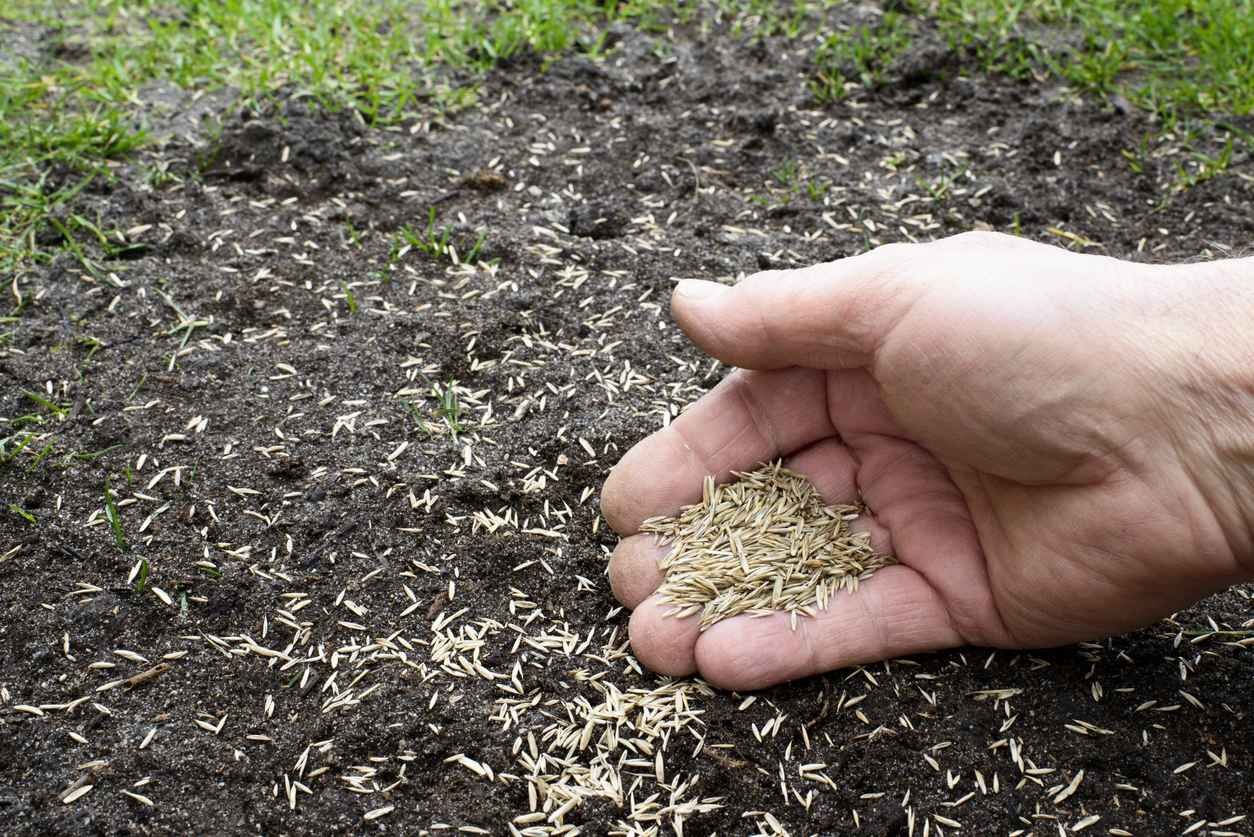
Image Source: www.chippersinc.com
Why Choose Grass Seed Over Sod?
When considering a new lawn, you might wonder about sod vs grass seed. While sod offers instant gratification, seeding provides a more cost-effective and customizable approach. You have a wider selection of grass types to choose from, allowing you to tailor your lawn to your specific climate, soil conditions, and desired aesthetic. Plus, the process of establishing a lawn from seed can lead to a more resilient and deeply rooted turf over time.
Preparing Soil for Grass Seed: The Foundation of Success
Before you even think about spreading seeds, preparing soil for grass seed is crucial. This step is as important as the seeding itself, as healthy soil leads to healthy grass.
Step 1: Clear the Area
- Remove Debris: Pick up any rocks, sticks, leaves, or old sod.
- Weed Control: If your area is heavily infested with weeds, consider using a non-selective herbicide. Wait the recommended time before proceeding. Alternatively, you can manually remove weeds, ensuring you get the roots.
Step 2: Test Your Soil
- pH Level: A soil test will tell you the pH of your soil. Most grasses prefer a slightly acidic to neutral pH (6.0 to 7.0). If your pH is too high or too low, you’ll need to amend it.
- Nutrient Content: The test will also reveal deficiencies in essential nutrients like nitrogen, phosphorus, and potassium.
Step 3: Amend the Soil
- Adjusting pH:
- Too acidic (low pH): Add lime. Follow the recommendations from your soil test.
- Too alkaline (high pH): Add sulfur or organic matter.
- Improving Soil Structure: If your soil is compacted or clay-heavy, incorporate organic matter like compost or well-rotted manure. This improves drainage and aeration. For sandy soil, compost helps retain moisture and nutrients.
- Nutrient Boost: If your soil test indicated nutrient deficiencies, add a starter fertilizer. These fertilizers are specially formulated with phosphorus to encourage root development, which is vital for new seedlings.
Step 4: Loosen the Soil
- Tilling or Aeration: For new lawns or heavily compacted areas, till the soil to a depth of 4-6 inches. This breaks up compacted layers and creates a good seedbed. If you’re overseeding, a core aerator can help open up the soil.
- Raking: After tilling or aerating, use a rake to break up any large clumps of soil and create a smooth, level surface. Remove any remaining debris.
Choosing the Right Grass Seed: Types of Grass Seed for Your Needs
Selecting the appropriate types of grass seed is vital for a thriving lawn. Different grass varieties are suited to various climates, sun exposure levels, and desired appearances.
Cool-Season Grasses
These grasses thrive in cooler temperatures (spring and fall) and go dormant in hot summer weather. They are common in the northern United States and Canada.
- Kentucky Bluegrass: Forms a dense, attractive turf. It can tolerate moderate shade and is cold-hardy. However, it requires consistent moisture and can be slow to establish.
- Perennial Ryegrass: Germinates quickly, providing rapid cover. It’s durable and can handle moderate foot traffic. It prefers cooler temperatures and can struggle in extreme heat.
- Fine Fescues: Includes Chewings, Creeping Red, and Hard Fescues. They are excellent in shady areas and tolerate poor soils and drought. They have a fine texture.
- Tall Fescue: A durable grass that tolerates heat and drought better than other cool-season grasses. It has a coarser texture but forms a dense lawn that resists weeds and disease.
Warm-Season Grasses
These grasses thrive in hot summer temperatures and go dormant in the cold winter months. They are typically found in the southern United States.
- Bermuda Grass: Very heat and drought-tolerant, excellent for high-traffic areas. It turns brown in winter but greens up quickly in spring.
- Zoysia Grass: Slow to establish but forms a dense, durable turf that chokes out weeds. It’s relatively drought-tolerant and can handle moderate shade.
- Centipede Grass: Tolerates heat and humidity well, and requires less fertilizer than other warm-season grasses. It prefers acidic soil and has a finer texture.
- St. Augustine Grass: Known for its wide blades and shade tolerance. It thrives in warm, humid climates but is not very cold-hardy.
Factors to Consider When Choosing Seed:
- Climate: Match your grass type to your region’s typical temperatures and rainfall.
- Sunlight: Does your lawn get full sun, partial shade, or deep shade?
- Foot Traffic: Will your lawn be used for play and recreation, or is it primarily ornamental?
- Water Availability: Some grasses are more drought-tolerant than others.
- Desired Appearance: Do you want a fine texture, a dark green color, or a low-maintenance lawn?
Pro Tip: Consider purchasing a premium grass seed blend. Blends often contain a mix of grass varieties that complement each other, offering better overall performance and resilience.
Seeding Your Lawn: The Art of Spreading Grass Seed
Once your soil is prepared and you’ve chosen your seed, it’s time to get to work.
How to Grass Seed a Lawn: Step-by-Step
- Read the Seed Bag: Always follow the specific instructions on your chosen grass seed bag. It will provide recommended seeding rates.
- Calculate Seed Needs: Determine the square footage of your lawn. Most seed bags have coverage information. For example, if your lawn is 1,000 sq ft and the bag says it covers 5,000 sq ft, you’ll need 1/5 of a bag.
- Use a Spreader: A broadcast spreader is ideal for even distribution over larger areas. For smaller lawns, a handheld spreader can work.
- Calibrate your spreader: Adjust the settings according to the seed bag instructions.
- Divide and Conquer: Divide your seed into two equal halves. Load one half into the spreader.
- First Pass: Walk in straight, parallel lines, ensuring consistent overlap.
- Second Pass: Turn 90 degrees and repeat the process with the second half of the seed. This ensures even coverage and minimizes missed spots.
- Lightly Rake the Seed: After spreading, gently rake the seeded area. This lightly buries the seeds (about 1/8 to 1/4 inch deep) and ensures good contact with the soil. Don’t bury them too deep, as they won’t be able to sprout.
- Roll the Area (Optional but Recommended): If you have access to a lawn roller, lightly rolling the seeded area helps press the seeds into the soil, improving contact and moisture retention for better grass seed germination. Fill the roller with just enough water to make it heavy, not so much that it compacts the soil excessively.
Grass Seed Germination and Early Growth
Grass seed germination is the process by which a seed sprouts and begins to grow. Several factors influence its success.
Key Factors for Germination:
- Moisture: Seeds need consistent moisture to swell and sprout.
- Temperature: Each grass type has an optimal temperature range for germination.
- Soil Contact: Seeds must be in firm contact with the soil.
- Oxygen: Seeds need air to respire and begin the germination process.
What to Expect During Germination:
- Timeline: Germination times vary depending on the grass type. Ryegrass can sprout in 3-7 days, while bluegrass might take 14-21 days. Tall fescue typically germinates in 7-14 days.
- Appearance: You’ll start to see tiny green shoots emerging from the soil.
Watering New Grass Seed: The Key to Early Success
Proper watering is critical for new grass seed. Over or under-watering can significantly hinder germination and seedling development.
Watering New Grass Seed: The Right Way
- Frequency: Keep the top 1-2 inches of soil consistently moist. This often means watering lightly several times a day, especially in dry or hot weather.
- Duration: Water for shorter periods but more frequently. Aim to wet the soil surface without creating puddles.
- When to Stop: Once the grass reaches about 1 inch in height, you can gradually transition to less frequent, deeper watering to encourage root growth.
- Avoid Runoff: If water starts running off the surface, you’re watering too much or too fast. Reduce the duration and frequency.
- Morning Watering: Water in the early morning. This allows the grass to dry before nightfall, reducing the risk of fungal diseases.
Fertilizing New Grass Seed: Giving it a Boost
Fertilizing new grass seed provides essential nutrients to support healthy growth, especially root development.
When and How to Fertilize:
- Starter Fertilizer: Apply a starter fertilizer (often labeled “Starter” or containing higher phosphorus numbers like 10-20-10) at the time of seeding. This gives the seedlings the nutrients they need to establish a strong root system.
- Follow-up Feeding: Most new lawns benefit from a second feeding about 4-6 weeks after germination, using a balanced lawn fertilizer.
- Application: Use a spreader for even application, just like with seed.
- Water In: Always water the fertilizer into the soil after application. This prevents the fertilizer from burning the grass and helps it reach the roots.
Lawn Care After Seeding: Nurturing Your New Growth
Lawn care after seeding requires patience and consistent attention.
Mowing Your New Lawn:
- First Mowing: Wait until the new grass reaches about 3 inches in height.
- Mowing Height: Set your mower to a higher setting than you normally would. This helps the young grass develop a stronger root system. Avoid cutting off more than one-third of the grass blade at any time.
- Sharp Blades: Ensure your mower blades are sharp. Dull blades can tear the grass, making it susceptible to disease.
- Mulch Clippings: Leave the grass clippings on the lawn (mulching). They add nutrients back into the soil.
Ongoing Watering:
- Deep and Infrequent: As the grass matures, gradually transition to watering less often but for longer durations. This encourages deep root growth, making the lawn more drought-tolerant.
- Check Soil Moisture: Stick your finger into the soil. If it feels dry a few inches down, it’s time to water.
Weed Control:
- Be Gentle: Avoid using most broadleaf weed killers on a new lawn for at least 4-6 weeks after germination, as they can damage young grass.
- Manual Removal: Hand-pulling weeds is the safest method for young lawns.
- Healthy Lawn: A thick, healthy lawn is the best defense against weeds. Proper watering, mowing, and occasional fertilization will help prevent weed invasion.
Aeration and Dethatching (Later On):
- Timing: Wait until your lawn is well-established (usually a year or more) before performing aeration or dethatching. These processes can stress young grass.
Troubleshooting Grass Seed Not Growing: Common Issues and Solutions
It can be disheartening when your grass seed isn’t growing as expected. Here are some common reasons and how to fix them:
Problem: No Germination or Very Sparse Growth
- Possible Cause: Seed was not in good contact with the soil.
- Solution: Rake the area again and consider rolling. Ensure seeds are lightly covered.
- Possible Cause: Soil too dry.
- Solution: Increase watering frequency to keep the top layer of soil consistently moist.
- Possible Cause: Seed planted too deep or too shallow.
- Solution: Seeds planted too deep won’t sprout. Seeds planted too shallow can dry out and die. Aim for 1/8-1/4 inch depth.
- Possible Cause: Poor quality seed or old seed.
- Solution: Ensure you’re using a reputable brand and check the expiration date.
- Possible Cause: Wrong planting time or temperature.
- Solution: Double-check the optimal planting window for your grass type and region.
- Possible Cause: Seed washed away by heavy rain or watering.
- Solution: If seeds have washed into clumps, try to redistribute them gently. For future seeding, consider using a straw mulch to hold seeds in place.
Problem: Grass is Growing, But Thin and Weak
- Possible Cause: Insufficient nutrients.
- Solution: Apply a starter fertilizer at seeding and a balanced fertilizer about 4-6 weeks later.
- Possible Cause: Inconsistent watering.
- Solution: Maintain consistent moisture. As grass grows, transition to deeper, less frequent watering.
- Possible Cause: Too much shade.
- Solution: If your chosen grass type requires full sun, dense shade will inhibit growth. Consider a shade-tolerant grass variety for next time.
- Possible Cause: Soil compaction.
- Solution: Aerate the lawn once it’s established to improve air and water penetration.
Problem: Patchy Growth or Bare Spots After Initial Growth
- Possible Cause: Uneven seed distribution.
- Solution: Overseed the bare spots, ensuring good soil contact and consistent watering.
- Possible Cause: Pest or disease issues.
- Solution: Inspect the lawn for signs of insects or fungal diseases. Treat accordingly.
- Possible Cause: Foot traffic or heavy use too soon.
- Solution: Limit traffic on the new lawn until it’s well-established.
Frequently Asked Questions (FAQ)
Q1: How long does it take for grass seed to grow?
A1: The time it takes for grass seed to grow varies by type. Some, like perennial ryegrass, can germinate in as little as 3-7 days. Others, like Kentucky bluegrass, can take 14-21 days. It also depends on proper soil preparation, moisture, and temperature.
Q2: Can I grass seed my lawn in the summer?
A2: It’s generally not recommended to seed a lawn in the peak of summer, especially for cool-season grasses. The heat and potential drought stress can prevent germination or kill young seedlings. Fall and early spring are the best time to grass seed for most regions.
Q3: How much water does new grass seed need?
A3: New grass seed needs consistent moisture. The top 1-2 inches of soil should be kept moist. This often means watering lightly several times a day until the grass is about 1 inch tall. After that, transition to deeper, less frequent watering.
Q4: Should I put straw on top of my grass seed?
A4: Yes, a thin layer of straw (about 1/4 inch thick) can be beneficial. It helps retain moisture, keeps seeds from washing away, and can deter birds. Ensure it’s not too thick, as it can block sunlight from reaching the seedlings. Use seed-free straw to avoid introducing more weeds.
Q5: How often should I mow my new grass?
A5: Wait until the grass reaches about 3 inches tall before the first mowing. Mow with a higher setting and never remove more than one-third of the grass blade at a time. Sharp mower blades are crucial for a clean cut.
By following these steps and recommendations, you’ll be well on your way to establishing a beautiful, healthy lawn from seed. Happy seeding!