
What is the safest way to get rid of stickers in your yard? The safest way involves a combination of identification, manual removal, and prevention, often prioritizing non-chemical methods where possible.
Sticker weeds are a common nuisance for homeowners. These plants, characterized by their prickly seed pods, can cling to clothing, pets, and anything that brushes past them, making yard work and outdoor enjoyment a prickly affair. Effectively dealing with them requires a multi-pronged approach. This guide will walk you through how to tackle sticker weeds safely and effectively, covering everything from identification to long-term prevention.
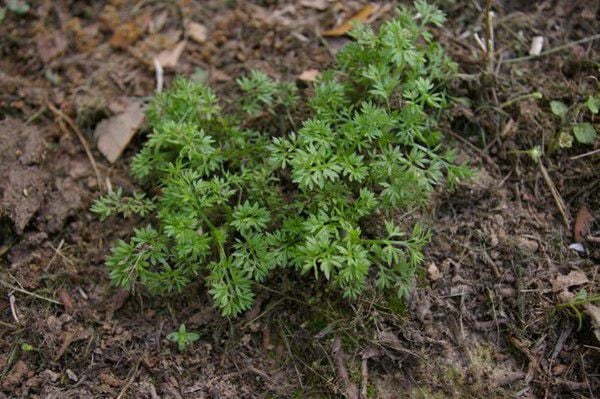
Image Source: bloximages.newyork1.vip.townnews.com
Identifying the Culprits: Sticker Plant Identification
Before you can tackle sticker weeds, you need to know what you’re dealing with. Different types of sticker weeds have different growth habits and may require slightly different control methods.
Common Sticker Weed Types
- Caltrop (Tribulus terrestris): Known for its sharp, woody burrs that can puncture tires and feet. It’s a low-growing, spreading annual.
- Sandbur (Cenchrus spp.): A grass that produces spiny seed heads that readily attach to fur and fabric. It’s often found in sandy or disturbed areas.
- Burlapweed / Goosefoot (Chenopodium spp.): While not all goosefoot species produce stickers, some do, with small, prickly seed clusters.
- Sticktights / Beggar’s Ticks (Bidens spp.): These have flat, barbed seeds that easily stick to surfaces. Many varieties grow tall with daisy-like flowers.
How to Identify:
- Observe the leaves: Are they broad or narrow? Do they have lobes?
- Examine the flowers: What color are they? How many petals?
- Look for the “stickers”: What do the seed pods or burrs look like? Are they round, spiky, barbed?
- Note the growth habit: Is it a low-growing ground cover, a tall upright plant, or a spreading vine?
Taking clear photos and consulting local extension office resources or gardening websites can help with sticker plant identification. Knowing the specific type of weed you have is the first step to effective weed control.
Effective Sticker Removal Strategies
Once you’ve identified the problem plants, it’s time to consider how to remove them. Your approach to sticker removal will depend on the type of weed, the extent of the infestation, and your preference for chemical versus non-chemical solutions.
Manual Methods: Digging Out Weeds and Pulling Tools
For smaller infestations or young plants, manual removal is often the safest and most environmentally friendly option.
Digging Out Weeds
- Timing is Key: The best time to pull weeds is when the soil is moist. This makes it easier to remove the entire plant, including the roots.
- Tools for the Job: Invest in good weed pulling tools. A trowel, hand cultivator, or a specialized weeding fork can help loosen the soil and provide leverage for pulling. For tap-rooted weeds like some types of caltrop, a dandelion weeder or a long-handled weeder can be very effective.
- Root Removal: Ensure you remove as much of the root system as possible. Leaving roots behind can allow the plant to regrow. For deep-rooted weeds, carefully dig around the plant to expose the root system before pulling.
Using Weed Pulling Tools
- Garden Claw/Cultivator: Excellent for loosening soil and grabbing smaller weeds.
- Dandelion Weeder/Crabgrass Killer: Designed to get under the root of tap-rooted weeds.
- Hori Hori Knife: A versatile tool that can be used for digging, cutting roots, and prying out weeds.
Safety First: Always wear sturdy gloves when digging out weeds to protect your hands from thorns, burrs, and potential skin irritants. Long sleeves and pants are also recommended.
Non-Chemical Weed Control Methods
Beyond manual removal, several other non-chemical approaches can help manage sticker weeds.
- Mulching: A thick layer of organic mulch (wood chips, straw, compost) can suppress weed growth by blocking sunlight. Ensure the mulch is applied at a depth of 2-3 inches, keeping it a few inches away from the base of desirable plants.
- Corn Gluten Meal: Applied as a pre-emergent in early spring, corn gluten meal can inhibit root development in germinating seeds. It’s most effective when applied before the sticker weed seeds have a chance to sprout.
- Boiling Water: For small patches of weeds in cracks or pathways, pouring boiling water directly onto the plants can kill them. Be very careful to avoid splashing on desired plants.
Natural Weed Killers
For those looking for gentler alternatives to synthetic herbicides, natural weed killers can be effective, especially on young weeds.
- Vinegar: Horticultural vinegar (20% acetic acid) is more potent than household vinegar (5%) and can kill young, actively growing weeds on contact. It’s a broad-spectrum killer, so it will damage any plant it touches. Apply on a sunny, warm day for best results.
- Salt: Salt can also kill weeds, but it can sterilize the soil, making it difficult for anything to grow there for a long time. Use with extreme caution and only in areas where you don’t want anything to grow, like pavement cracks. Diluting salt in water can make it easier to apply.
- Soapy Water: A mixture of dish soap and water can help break down the waxy coating on weed leaves, making them more susceptible to drying out. This is generally effective on smaller weeds.
Important Note on Natural Weed Killers: While often considered safer, these substances are still herbicides and can harm beneficial insects and soil microbes if not used carefully. They are typically contact killers, meaning they only kill the parts of the plant they touch, and may not kill the roots of established perennial weeds.
Chemical Weed Control: Herbicide Application
When sticker weeds become overwhelming or manual methods are impractical, chemical control may be considered. However, responsible herbicide application is crucial for safety and effectiveness.
Types of Herbicides
- Selective Herbicides: Target specific types of weeds (e.g., broadleaf weeds) without harming your lawn grass.
- Non-Selective Herbicides: Kill all plants they come into contact with. These are best used for clearing areas or spot treatment where no desirable plants are present.
Safe Herbicide Application Practices
- Read the Label: Always read and follow the instructions on the herbicide product label carefully. This is the most important step for safe and effective use.
- Choose the Right Time: Apply herbicides when weeds are actively growing and when there is no wind to prevent drift.
- Wear Protective Gear: Always wear gloves, long sleeves, long pants, and eye protection when handling and applying herbicides.
- Spot Treatment: If possible, use a spray bottle for spot treatment to avoid spraying desirable plants.
- Avoid Overlap: Overlapping sprayed areas can lead to over-application and damage.
- Watering: Do not water your lawn for at least 24 hours before or after applying most herbicides, as this can dilute their effectiveness. Check the product label for specific instructions.
- Storage: Store herbicides safely away from children and pets, in their original containers, and in a cool, dry place.
When to Consider Herbicides:
- Severe infestations where manual removal is not feasible.
- When specific weed species are particularly difficult to control manually.
- As part of a broader lawn care program.
Addressing Sticky Residue
Even after the plants are removed, you might be left with removing sticky residue from your tools, clothing, or pets.
For Tools and Surfaces:
- Scrubbing: For tools, a stiff brush and soapy water can often remove most of the residue.
- Rubbing Alcohol: Isopropyl alcohol can be effective at dissolving sticky substances.
- Oils: Vegetable oil or olive oil can help break down some types of sticky residue, making it easier to wipe away. Follow up with soap and water.
For Clothing:
- Wash Immediately: If clothes have stickers on them, try to brush or pick off as many as possible before washing.
- Cold Water Wash: Wash in cold water, as hot water can sometimes set stains or make the residue harder to remove.
- Pre-treatment: Consider pre-treating stubborn residue with a stain remover or a dab of liquid laundry detergent before washing.
- Dryer Sheets: Sometimes, rubbing a used dryer sheet on the residue can help lift it.
For Pets:
- Grooming Tools: Use a comb or brush to gently remove stickers from your pet’s fur.
- Water and Mild Soap: For remaining residue, a gentle rinse with pet-safe shampoo and water can help.
- Pet Wipes: Specialized pet grooming wipes can also be useful.
- Avoid Harsh Chemicals: Never use strong solvents or chemicals on your pets, as they can be toxic. If you’re having trouble, consult your veterinarian.
Preventing Sticker Weeds for Future Lawn Care
The best way to deal with sticker weeds is to prevent them from growing in the first place. Good lawn care practices are your best defense against these prickly pests.
Maintaining a Healthy Lawn
A dense, healthy lawn is the best deterrent against weeds.
- Proper Mowing: Mow your grass at the recommended height for your grass type. Taller grass shades the soil, making it harder for weed seeds to germinate.
- Adequate Watering: Water your lawn deeply but infrequently. This encourages deeper root growth, making your grass more resilient.
- Fertilization: Feed your lawn with appropriate fertilizers at the right times of year to promote strong growth.
- Aeration: Core aeration helps reduce soil compaction, allowing water, air, and nutrients to reach the grass roots more effectively.
Seeding and Overseeding
- Fill Bare Spots: Sticker weeds often take root in bare patches of lawn. Overseeding these areas with grass seed in the fall or spring can help outcompete weeds.
- Choose the Right Grass: Select grass varieties that are well-suited to your climate and lawn conditions.
Pre-Emergent Weed Control
Applying pre-emergent herbicides in early spring, before weed seeds germinate, can be very effective. These herbicides create a barrier in the soil that prevents weed seeds from sprouting. Timing is critical for pre-emergents.
Post-Emergent Weed Control
If weeds do sprout, early intervention with post-emergent herbicides or manual removal is more effective than waiting until they are well-established.
Other Preventive Measures
- Clean Equipment: Clean your lawn mower, trimmers, and other gardening tools after use, especially if you’ve been working in areas with sticker weeds, to avoid spreading seeds.
- Edge Properly: Properly edging your lawn can help prevent weeds from creeping in from surrounding areas.
- Manage Pathways: Keep sidewalks and driveways clear of debris where weeds can establish themselves.
Sticker Weed Control Checklist
To summarize, here’s a checklist to help you manage sticker weeds:
| Step | Action | Notes |
|---|---|---|
| Identification | Determine the specific type of sticker weed. | Use photos, local guides, or extension office resources. |
| Manual Removal | Pull or dig out young weeds, ensuring root removal. | Best done when soil is moist. Use appropriate weed pulling tools. |
| Non-Chemical Control | Apply mulch, consider corn gluten meal, or use boiling water for spot treatment. | Effective for suppression and young weeds. |
| Natural Weed Killers | Apply horticultural vinegar or salt solutions carefully to weeds. | Use with caution, as they can harm desirable plants and soil. |
| Chemical Control | If necessary, use selective or non-selective herbicides according to label directions. | Prioritize spot treatment and safe herbicide application. |
| Residue Removal | Clean tools, clothing, and pets of sticky residue. | Use soapy water, oils, or appropriate cleaners. |
| Prevention | Maintain a healthy lawn, seed bare spots, and consider pre-emergent treatments. | Good lawn care is the best long-term strategy for preventing sticker weeds. |
Frequently Asked Questions About Sticker Weeds
Q1: Can I use household vinegar to kill sticker weeds?
A1: Household vinegar (5% acetic acid) can kill very young, small weeds on contact, but it’s usually not strong enough for established plants. Horticultural vinegar (20% acetic acid) is more effective but should still be used with caution as it can damage any plant it touches.
Q2: How do I get stickers off my dog’s fur?
A2: Gently comb through your dog’s fur with a fine-toothed comb or a specialized de-shedding tool. For stubborn stickers, you can try wetting the area with water and a small amount of mild, pet-safe soap. If the stickers are deeply embedded or you’re concerned about your pet’s comfort, consult your veterinarian.
Q3: Are sticker weeds harmful to my lawn?
A3: Sticker weeds compete with your lawn grass for water, nutrients, and sunlight. Their prickly seed heads can also make your lawn unpleasant and difficult to use. While not directly harmful to the grass itself in terms of disease, they reduce the overall health and aesthetic appeal of your lawn.
Q4: When is the best time to treat sticker weeds?
A4: The best time to treat sticker weeds is when they are young and actively growing, usually in the spring or early summer, before they go to seed. Early intervention makes both manual and chemical control more effective.
Q5: Will mowing help get rid of sticker weeds?
A5: Mowing will temporarily remove the top growth and seed heads, which can prevent the spread of seeds and reduce the nuisance factor for a while. However, unless the entire plant and its roots are removed, mowing alone will not eliminate the problem, and the weeds may regrow. Regular mowing at the correct height is part of good lawn care and can help your grass outcompete weeds.
By following these steps, you can effectively manage and prevent sticker weeds, ensuring a more enjoyable and less prickly outdoor space. Remember that consistency in lawn care and proactive weed control are key to long-term success.