
Chiggers are tiny, red mites that can cause itchy welts on your skin. Can you get rid of chiggers in your yard? Yes, you can! This guide will show you how to eliminate chiggers from your lawn and prevent future infestations.
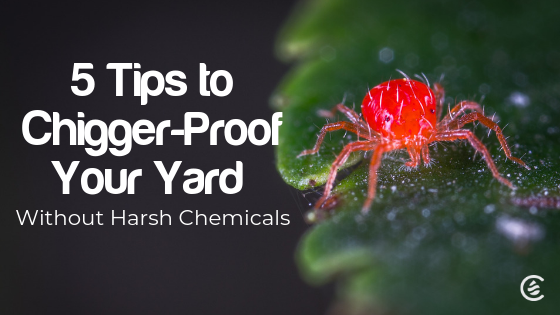
Image Source: cdn.shopify.com
How To Get Rid Of Chiggers In Yard: Complete Guide
Chiggers, those minuscule red mites that cause so much discomfort with their itchy bites, are a common nuisance in many yards. These tiny pests thrive in grassy, brushy, and wooded areas, making your lawn and garden a potential breeding ground. Dealing with a chigger infestation can be frustrating, but with the right approach, you can effectively reclaim your outdoor spaces. This comprehensive guide will equip you with the knowledge and strategies for yard chigger treatment and chigger prevention yard.
Deciphering the Chigger Problem
Before diving into solutions, it’s helpful to know what you’re dealing with. Chiggers are not insects; they are actually arachnids, related to ticks and spiders. Adult chiggers are often too small to see, but their larvae are the ones responsible for those maddening bites.
- What do chiggers look like? Chigger larvae are typically a bright red or orange color and are almost invisible to the naked eye. They are about 1/150th of an inch long.
- Where do chiggers live? They prefer damp, shady areas with thick vegetation. This includes tall grass, weeds, gardens, lawns, and areas near woods or brush piles. They often congregate in clusters.
- How do chiggers bite? Unlike mosquitoes, chiggers don’t bite or burrow into your skin. Instead, they attach themselves to your skin, usually around ankles, legs, waistlines, or other tight areas. They inject digestive enzymes into your skin, which liquefy your skin cells, allowing them to feed. This is what causes the intense itching and the red, raised welts, which are actually a reaction to the saliva.
Identifying a Chigger Infestation
Recognizing the signs of a chigger problem is the first step toward effective chigger infestation removal.
- The Itch: The most obvious sign is intense itching after spending time outdoors in grassy or wooded areas. The itching often starts a few hours after exposure and can last for days.
- Visible Mites: While difficult to spot, you might see clusters of tiny red specks on surfaces where chiggers are present, like leaves or the base of grass blades. A simple test is to place a piece of dark cardboard in an infested area for about 15-20 minutes. If chiggers are present, you’ll see small red dots on the cardboard.
- Bite Patterns: Chigger bites typically appear as small, red, itchy bumps. They often occur in clusters and can sometimes be mistaken for mosquito bites or hives.
Effective Chigger Control Methods
When it comes to how to get rid of chiggers in yard, a multi-pronged approach is usually most effective. This involves treating the current infestation and implementing preventative measures to stop them from returning.
1. Environmental Management: Modifying Your Yard
Chiggers love certain conditions, so altering your yard’s environment can significantly reduce their population.
Reducing Habitat
- Mow Your Lawn Regularly: Keeping your grass short is crucial. Chiggers like to hide in tall grass. Regular mowing removes their preferred hiding spots and exposes them to drying conditions.
- Weed Control: Remove weeds and overgrown vegetation, especially around the perimeter of your home, in garden beds, and along walkways. This eliminates more shelter for chiggers.
- Clear Brush and Debris: Chiggers often reside in leaf litter, mulch, and brush piles. Regularly clean up these areas.
- Improve Drainage: Chiggers prefer moist environments. Address any areas in your yard that collect water or remain soggy. Improving drainage can make your yard less hospitable to them.
Creating Barriers
- Gravel or Mulch Borders: Consider creating a border of gravel or coarse mulch around areas you want to protect, such as patios or play areas. Chiggers have difficulty crossing these barriers.
- Trim Overhanging Branches: If trees or shrubs have branches that hang low over your lawn or walkways, trim them back. This can prevent chiggers from dropping onto you from above.
2. Yard Chigger Treatment: Chemical and Natural Options
Once you’ve addressed the habitat, it’s time to tackle the chiggers directly. You have both chemical and natural chigger control methods at your disposal.
Chemical Treatments
For severe infestations, chemical treatments can be very effective. However, it’s important to use them cautiously and follow all instructions to ensure safety for yourself, pets, and beneficial insects.
-
Pesticide for Chiggers: Look for insecticides labeled for chiggers or mites. Many products contain active ingredients like permethrin, bifenthrin, or cypermethrin. These are often available as granules or concentrates that you can mix with water and apply as a spray.
- Application: Apply treatments to areas where chiggers are most active: tall grass, weeded areas, and the bases of plants. Focus on the edges of your property, especially near woods.
- Timing: The best time to apply pesticides is in the late morning or early afternoon when chiggers are most active on vegetation. Avoid applying when it’s windy or about to rain.
- Safety Precautions: Always wear protective clothing, gloves, and eye protection when applying pesticides. Keep children and pets away from treated areas until the product has dried completely. Read and follow all label directions carefully.
-
Safe Chigger Killer: When selecting a pesticide, look for options that are specifically formulated to be effective against mites and chiggers while minimizing harm to non-target organisms, if possible. Some products offer broad-spectrum insect control, but always check the label for chigger efficacy.
Natural Chigger Deterrents and Treatments
If you prefer a more eco-friendly approach, several natural methods can help control chiggers. These might require more frequent application but are generally safer for the environment.
-
Diatomaceous Earth (Food Grade): This is a natural powder made from fossilized aquatic organisms. It works by dehydrating the chiggers’ exoskeletons.
- Application: Lightly dust affected areas with food-grade diatomaceous earth. It’s most effective when dry. Apply around the base of plants, in shady areas, and on pathways.
- Caution: While natural, it can irritate eyes and lungs. Wear a mask and gloves when applying. Reapply after rain.
-
Nematodes: Certain types of beneficial nematodes, particularly Steinernema feltiae and Heterorhabditis bacteriophora, are microscopic roundworms that prey on chigger larvae.
- Application: Mix the nematodes with water according to product instructions and apply to infested areas of your lawn and garden. They are most effective when applied to moist soil.
- Timing: Apply when soil temperatures are between 50°F and 85°F.
-
Cedar Oil: Cedar oil has natural insecticidal and repellent properties.
- Application: Dilute cedar oil with water (follow product recommendations) and spray it on lawns, gardens, and around the foundation of your home.
-
Essential Oils: Some essential oils, like peppermint, lemon, eucalyptus, and lavender, are known to repel chiggers.
- Application: Mix a few drops of these oils with water and a mild soap (like castile soap) in a spray bottle. Lightly mist affected areas. Be sure to test on a small area first to avoid damaging plants.
3. Treating Chigger Bites in the Yard
While the primary goal is to get rid of chiggers in your yard, treating chigger bites yard is also important for comfort if you or your family have already been bitten.
- Wash the Area: As soon as you suspect a bite, wash the affected area thoroughly with soap and water. This helps remove any remaining chiggers.
- Cool Compresses: Apply cool, wet compresses to the bites to help reduce itching and inflammation.
- Anti-itch Creams: Over-the-counter hydrocortisone cream or calamine lotion can provide relief from itching.
- Antihistamines: Oral antihistamines can also help manage allergic reactions and reduce itching.
- Avoid Scratching: It’s tempting to scratch, but this can lead to infection and make the itching worse. Keep fingernails short and consider wearing gloves at night if you scratch in your sleep.
Preventing Chigger Bites Outside
The best way to deal with chiggers is to prevent them from bothering you in the first place. Implementing good chigger prevention yard practices will save you a lot of discomfort.
Personal Protection
- Wear Protective Clothing: When venturing into areas known to have chiggers, wear long sleeves, long pants, socks, and closed-toe shoes. Tuck your pants into your socks.
- Use Insect Repellent: Apply an EPA-approved insect repellent containing DEET, picaridin, or oil of lemon eucalyptus to exposed skin and clothing. Follow label instructions carefully.
- Treat Clothing: Permethrin is an insecticide that can be applied to clothing and gear. It can be purchased as a spray and is effective for several washes.
- Shower After Outdoor Activities: Take a hot shower or bath immediately after spending time in chigger-prone areas. This helps wash off any chiggers that may have attached to your skin.
- Wash Clothes Promptly: Wash any clothing worn outdoors in hot water immediately after coming inside.
Yard Maintenance for Prevention
- Maintain a Healthy Lawn: A dense, healthy lawn is less inviting to chiggers than patchy, overgrown areas.
- Discourage Wildlife: Chiggers can hitchhike on animals like rodents and birds. Try to discourage these animals from frequenting your yard by securing trash cans and removing potential food sources.
- Educate Family and Visitors: Make sure everyone in your household knows about chiggers and how to protect themselves.
Chigger Control Methods: A Comparative Look
To help you choose the best approach, here’s a quick comparison of different chigger control methods:
| Method | Effectiveness | Speed of Action | Longevity of Effect | Environmental Impact | Safety Concerns |
|---|---|---|---|---|---|
| Environmental Mods | Moderate | Slow | Long-term | Low | Low |
| Chemical Pesticides | High | Fast | Moderate (weeks) | Moderate to High | Moderate |
| Diatomaceous Earth | Moderate | Slow | Short (until wet) | Low | Low |
| Beneficial Nematodes | Moderate | Slow | Moderate (weeks) | Low | Low |
| Cedar Oil/Essential Oils | Low to Moderate | Moderate | Short (days) | Low | Low |
| Personal Protection | High (for you) | Immediate | While wearing | N/A | Low |
Frequently Asked Questions About Chiggers
Q1: How long do chigger bites itch?
A1: Chigger bites can itch for up to two weeks, sometimes longer, even after the chigger is gone. The itching is your body’s reaction to the chigger’s saliva.
Q2: Can chiggers kill my lawn?
A2: No, chiggers do not harm grass or plants directly. They feed on plant juices as adults but are parasitic on insects and animals as larvae. They are a nuisance to people and pets.
Q3: Are chiggers visible to the naked eye?
A3: Chigger larvae are very small, about 1/150th of an inch, and are typically red or orange. While difficult to see, with close observation in infested areas, you might spot them.
Q4: When is the best time of year for chigger activity?
A4: Chiggers are most active during the warmer months, typically from late spring through early fall, especially in humid conditions.
Q5: What is a safe chigger killer for use around children and pets?
A5: For a safer approach, consider natural deterrents like diatomaceous earth (food grade) and beneficial nematodes. Always supervise children and pets and follow product instructions carefully, even with natural options. When using chemical pesticides, ensure they are labeled as safe for use around pets and children after the treated area has dried.
Q6: How do I treat my dog for chiggers?
A6: Consult your veterinarian. They may recommend specific shampoos, topical treatments, or oral medications to rid your dog of chiggers and soothe their skin.
By following these detailed steps, you can effectively tackle chigger problems in your yard and enjoy your outdoor spaces itch-free. Remember that consistent maintenance and awareness are key to chigger prevention yard and long-term success.