
How often should you mow your lawn? The general rule of thumb is to mow your lawn when it has grown about one-third of its current height, typically every 5 to 7 days during the peak growing season.
Finding the right grass cutting frequency is key to a healthy, beautiful lawn. It’s not just about keeping things tidy; it’s about promoting strong root development and preventing common lawn problems. Too much or too little mowing can stress your grass, making it susceptible to diseases, weeds, and thinning. This guide will help you decipher the best lawn mowing schedule for your specific yard, considering factors like grass type, season, and your local climate.
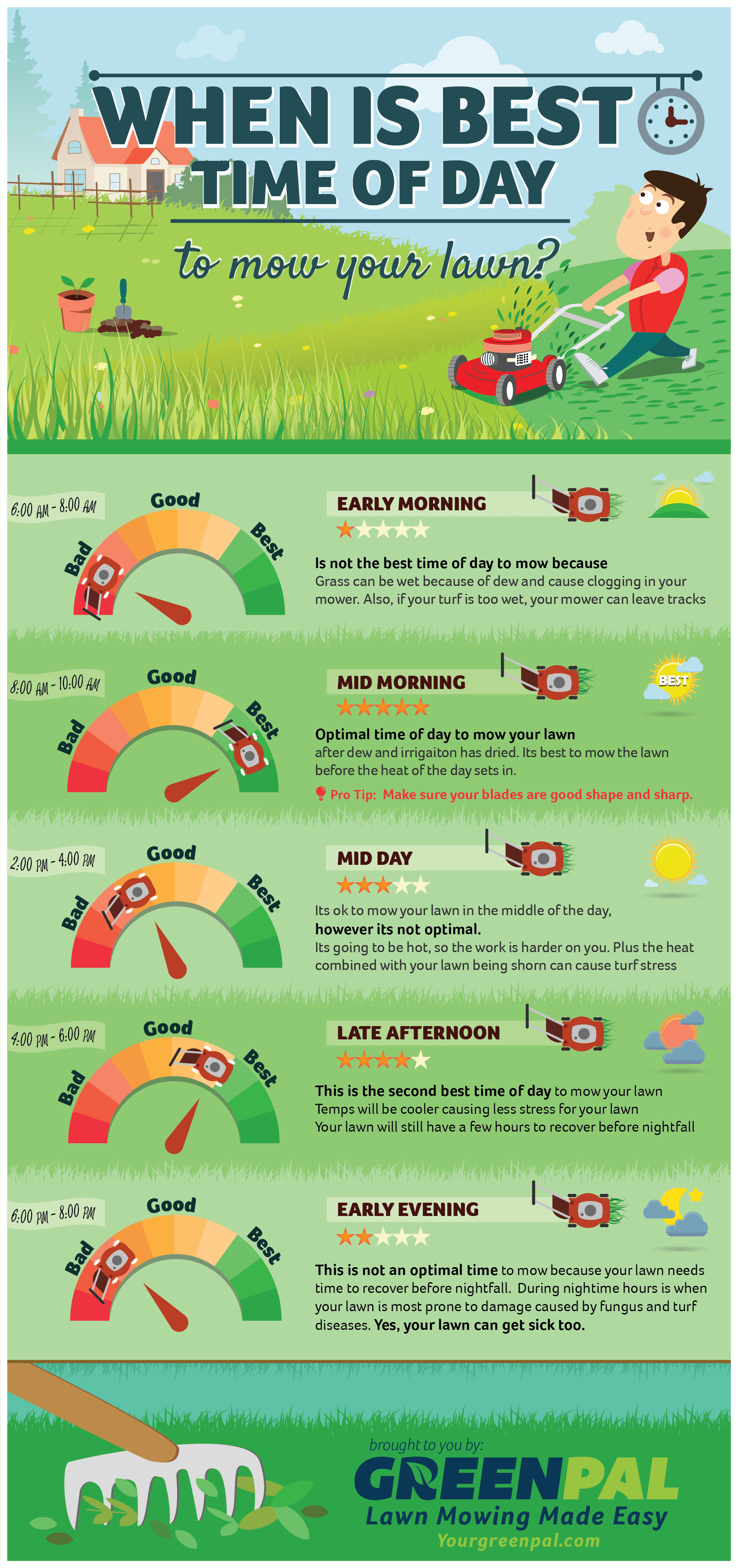
Image Source: greenpal-production.s3.amazonaws.com
Deciphering Your Grass Growth Rate
The most crucial factor in determining how often to mow lawn is your grass’s grass growth rate. This isn’t a static number. It fluctuates based on several elements:
Grass Type: A Foundation for Frequency
Different grass species have distinct growth habits. Knowing your grass type is your first step toward an effective lawn care frequency plan.
- Cool-Season Grasses: These grasses, like Kentucky Bluegrass, Fescues, and Ryegrass, thrive in cooler temperatures (spring and fall). They tend to grow more vigorously during these periods, requiring more frequent mowing.
- Warm-Season Grasses: Varieties such as Bermuda, Zoysia, and St. Augustine prefer warmer weather (summer). Their growth spurts usually occur during the heat of summer, demanding a shift in your grass cutting frequency.
Seasonal Influence on Growth
Your lawn mowing schedule must adapt to the changing seasons.
Spring Mowing: The Awakening
Spring mowing is critical. As temperatures rise and daylight hours increase, your lawn awakens from dormancy.
- Initial Mowing: Start mowing once the grass shows significant green growth and has reached about one-third more than its ideal height.
- Frequency Increase: Expect to mow more often in spring as grass growth is usually at its peak. This is the time to establish a consistent lawn care frequency. Aim for a lawn mowing schedule that keeps the grass at its recommended height.
- Mowing Height: Maintain a slightly higher mowing height in early spring to encourage deeper root growth.
Summer Mowing: Heat and Stress
Summer mowing requires a delicate balance. High temperatures and potential drought can stress your grass.
- Adjusting Frequency: You might need to reduce mowing frequency if your lawn is stressed or dormant due to heat. Mowing too frequently during extreme heat can weaken the grass.
- Mowing Height: Raising your mowing height in summer is highly recommended. Taller grass shades the soil, keeping it cooler and reducing water loss. This is a crucial aspect of a smart lawn mowing schedule during hot months.
- Best Time to Mow Lawn: Avoid mowing during the hottest part of the day. Early morning is ideal, allowing the grass blades to dry and preventing disease.
Fall Mowing: Preparing for Rest
Fall mowing is about preparing your lawn for winter dormancy.
- Continued Mowing: Continue mowing as needed until the grass stops actively growing.
- Final Mowing: The last mow of the season should be at a slightly lower height than during the summer. This helps prevent diseases like snow mold from accumulating and damaging the turf over winter.
- Leaf Management: If leaves are falling, rake or mulch them. Excessive leaf cover can smother the grass.
Climate and Local Conditions
Your geographical location plays a significant role. A lawn in a region with mild, wet springs will have a different grass cutting frequency than one in a dry, arid climate. Pay attention to rainfall patterns and typical temperature fluctuations in your area.
The Art of Mowing: Best Practices
Beyond the frequency, how you mow is just as important. Adhering to the “one-third rule” is a cornerstone of good lawn care frequency.
The One-Third Rule: A Vital Guideline
Never remove more than one-third of the grass blade length in a single mowing.
- Why it Matters: Cutting too much at once stresses the grass, removing too much of its surface area needed for photosynthesis. This weakens the plant, making it more vulnerable.
- Example: If your grass is 3 inches tall, you should mow it down to 2 inches, not to 1 inch. If your schedule dictates mowing every 5 days, and on day 5 it’s 4 inches tall, mow it to 3 inches.
Mowing Height: Setting the Right Level
The correct mowing height is crucial for a healthy lawn.
| Grass Type | Ideal Mowing Height (inches) | Notes |
|---|---|---|
| Cool-Season | ||
| Kentucky Bluegrass | 2.5 – 3.5 | Taller is better for drought tolerance and weed suppression. |
| Tall Fescue | 3 – 4 | Very drought and heat tolerant at higher heights. |
| Fine Fescues | 2.5 – 3.5 | Prefers slightly shorter, but taller is still beneficial in heat. |
| Perennial Ryegrass | 2 – 3 | Can tolerate shorter heights but benefits from taller in summer. |
| Warm-Season | ||
| Bermuda Grass | 0.5 – 1.5 | Can be mowed very low for a manicured look, but needs more care. |
| Zoysia Grass | 1 – 2 | Benefits from higher heights for better density. |
| St. Augustine | 3 – 4 | Thrives at higher heights, shades out weeds. |
| Centipede Grass | 1.5 – 2.5 | Sensitive to low mowing; prefers consistent height. |
Note: These are general guidelines. Always consult specific recommendations for your exact grass variety.
Best Time to Mow Lawn: Timing is Everything
The best time to mow lawn impacts grass health and your comfort.
- Morning: Early morning is generally the best time. The grass has had time to dry from dew, and the temperature is cooler. This reduces stress on the grass and allows the cut blades to heal before the heat of the day.
- Late Afternoon/Early Evening: This is a secondary good option, especially if you miss the morning window. However, avoid mowing too late, as wet grass overnight can encourage fungal diseases.
- Avoid Midday Heat: Never mow during the hottest part of the day, especially in summer. This is when the grass is most stressed, and mowing adds further strain.
Mower Blade Sharpness: The Unsung Hero
Sharp mower blades are vital for a clean cut.
- Clean Cuts vs. Torn Blades: Sharp blades slice the grass cleanly. Dull blades tear and shred the grass, leaving ragged edges.
- Consequences of Dull Blades: Torn grass blades are more susceptible to diseases and pests, and they can turn brown at the tips, giving your lawn a less attractive appearance.
- Frequency of Sharpening: Aim to sharpen your mower blades at least once a year, or more often if you have a large lawn or mow frequently.
Mulching vs. Bagging: What to Do with Clippings
Deciding whether to mulch or bag your grass clippings affects your lawn’s nutrient content and your cleanup effort.
- Mulching (Grasscycling): This is the practice of leaving finely chopped grass clippings on the lawn.
- Benefits: Clippings decompose and return valuable nitrogen and other nutrients to the soil, acting as a natural fertilizer. They also help retain soil moisture.
- When to Mulch: Mulch when clippings are short and dry. Avoid mulching if the grass is wet or if you’re removing a significant amount of length, as this can create clumps that smother the grass.
- Bagging: This involves collecting the clippings.
- Benefits: Useful for a very neat appearance or when dealing with excessive growth or disease.
- Considerations: You lose the nutrient benefit, and clippings must be disposed of, often in landfills.
Tailoring Your Lawn Mowing Schedule
Creating a personalized lawn mowing schedule involves more than just frequency. It’s about a holistic approach to lawn care frequency.
Factors to Monitor for Adjustments
- Rainfall: Increased rainfall generally leads to faster growth, requiring more frequent mowing. Dry spells may mean you can mow less often, or even skip a week.
- Fertilization: If you fertilize your lawn, expect a boost in growth and a need to adjust your grass cutting frequency accordingly.
- Aeration: After core aeration, your lawn might experience a period of rapid growth as it recovers.
- Weeds: Vigorous weed growth can compete with your grass for resources, and proper mowing can help manage some weed types.
Seasonal Mowing Adjustment Chart
This chart provides a general guideline for adjusting your lawn mowing schedule based on the season.
| Season | Typical Frequency (Days) | Mowing Height Adjustment | Clipping Management | Special Considerations |
|---|---|---|---|---|
| Spring | 5-7 | Slightly Higher (early) | Mulch | Monitor for increased growth; avoid cutting too short. |
| Summer | 7-10 (or as needed) | Higher | Mulch (if short) | Mow in cooler parts of the day; reduce if stressed/dormant. |
| Fall | 7-10 | Slightly Lower (late) | Mulch | Continue until growth stops; lower last cut for winter. |
| Winter | As needed (rarely) | Maintain Height | Bag/Remove | Avoid if frozen or dormant. |
Note: This is a general guide. Observe your lawn’s growth and adjust accordingly.
Creating Your Custom Schedule
- Identify Your Grass Type: This is step one.
- Determine Your Ideal Mowing Height: Refer to the table above or research your specific grass variety.
- Observe Your Lawn’s Growth: Don’t rely solely on a calendar. Look at your grass. When it’s grown about a third taller than your desired height, it’s time to mow.
- Note Seasonal Changes: Be prepared to adjust your lawn mowing schedule as seasons change.
- Factor in Weather: Rain, heat, and drought will influence growth rates.
- Check Blade Sharpness: Regularly inspect and sharpen your mower blades.
Advanced Lawn Care Frequency Considerations
Beyond the basics, several advanced strategies can further enhance your lawn’s health and appearance through effective lawn care frequency.
Mowing Patterns: Vary Your Approach
Changing your mowing pattern each time can prevent soil compaction and the development of ruts or worn areas. Alternating between horizontal, vertical, and diagonal patterns helps distribute the mower’s weight evenly.
Transitioning Between Heights
When you need to significantly change your mowing height, do it gradually. If your grass has grown much taller than usual, don’t cut it all at once. Instead, mow it down to an intermediate height and then mow again a few days later to reach your desired level. This prevents severe stress.
Dealing with Thatch
Thatch is a layer of dead and living grass stems and roots that accumulate between the green grass and the soil surface. Excessive thatch can block air, water, and nutrients from reaching the soil.
- Mowing and Thatch: While mowing itself doesn’t directly cause thatch, very frequent mowing of grass left to decompose on the lawn (mulching) can contribute to thatch buildup if the clippings don’t break down quickly.
- Dethatching: If thatch is a problem, you might need to dethatch your lawn annually or biannually. This is a separate process from mowing, usually done in early spring or fall, depending on your grass type.
Frequently Asked Questions (FAQ)
Q1: What is the rule of thumb for how often to mow?
The general rule of thumb is to mow your lawn when it has grown about one-third of its current height. For most lawns, this translates to mowing every 5 to 7 days during the peak growing season.
Q2: Can I mow my lawn when it’s wet?
It’s best to avoid mowing wet grass. Mowing wet grass can lead to an uneven cut, clumping, and increased risk of fungal diseases. It can also compact the soil and be harder on your mower.
Q3: How often should I sharpen my mower blades?
You should sharpen your mower blades at least once a year. If you have a large lawn, mow frequently, or notice a ragged cut on your grass, you may need to sharpen them more often, perhaps every 8-10 hours of use.
Q4: Is it okay to leave grass clippings on the lawn?
Yes, leaving grass clippings on the lawn, a practice called mulching or grasscycling, is generally beneficial. The clippings decompose and return valuable nutrients, especially nitrogen, to the soil. However, avoid leaving large clumps, which can smother the grass.
Q5: When is the best time of day to mow?
The best time to mow your lawn is in the early morning. This allows the grass to dry from dew, and the cooler temperatures reduce stress on the grass blades.
Q6: How does my grass type affect mowing frequency?
Different grass types have different growth rates and preferences. Cool-season grasses typically grow more in spring and fall, requiring more frequent mowing then. Warm-season grasses grow most in summer heat, demanding adjustments during those months. Always research the specific needs of your grass type.
Q7: What happens if I mow my lawn too short?
Mowing your lawn too short (scalping) stresses the grass, weakens its root system, makes it more susceptible to drought, weeds, and diseases, and can lead to browning. It also removes too much of the grass’s photosynthetic surface.
Q8: Should I adjust my mowing schedule for a new lawn?
Yes. For new lawns, wait until the grass is about 1/3 taller than your desired mowing height before the first cut. When mowing new grass, only remove the very tips of the blades (no more than a 1/4 inch) and mow frequently to encourage tillering (new grass blades growing from the base).
By carefully considering your grass type, the season, local climate, and employing best practices, you can establish a lawn mowing schedule that keeps your lawn healthy, vibrant, and the envy of the neighborhood. Consistent observation and adaptation are the keys to mastering your lawn care frequency and achieving a perfect lawn.