
Can you keep deer out of your garden naturally? Yes, you absolutely can by using a combination of proven methods that focus on deterring them rather than harming them. This article will guide you through effective, natural strategies for plant protection and preventing deer damage, ensuring your garden thrives without becoming a deer buffet.
Deer can be a significant challenge for any gardener. Their insatiable appetite can quickly decimate carefully cultivated plants, turning a dream garden into a frustrating wasteland. The good news is that you don’t need harsh chemicals or inhumane tactics to keep these beautiful but destructive animals at bay. By employing a multi-pronged approach, you can create a garden that is both appealing to you and unappealing to deer.
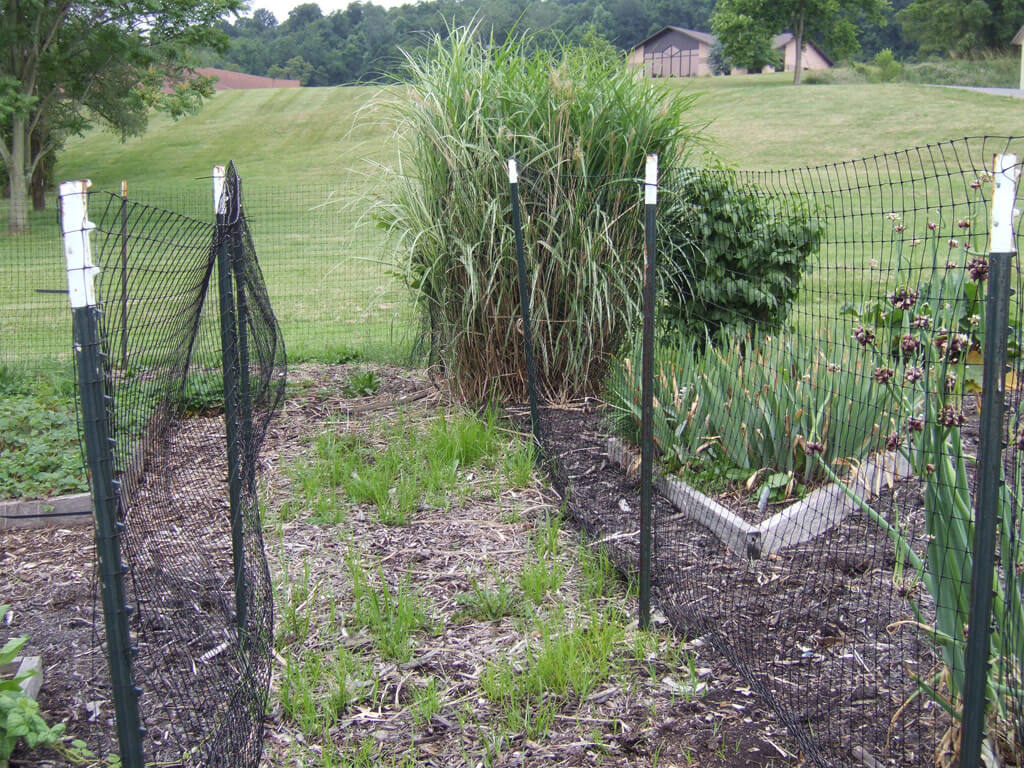
Image Source: cdn.shopify.com
Embracing Natural Deer Control Strategies
When we talk about natural deer control, we’re focusing on methods that work with nature, not against it. This means using scents, tastes, and physical barriers that deer find unpleasant or that simply prevent them from accessing your precious plants. It’s about making your garden less of a temptation and more of a hassle for them.
The Power of Scent: Utilizing Natural Deer Repellent
Deer have an incredible sense of smell, and they rely on it to find food and avoid danger. We can leverage this by using scents that deer find offensive or that mimic the smell of predators. A good deer repellent harnesses these natural aversions.
Common and Effective Scent Repellents:
- Rotten Eggs: The smell of sulfur is a strong deterrent. You can create a simple spray by mixing a few eggs with water and letting them sit for a few days until they begin to decompose. Strain the liquid and spray it around your garden.
- Garlic and Chili Pepper: Both garlic and chili peppers have pungent odors that deer dislike. A spray made from blended garlic cloves, hot peppers (or cayenne pepper), and water can be very effective. Add a drop of dish soap to help it stick to the plants.
- Predator Urine: The scent of coyote or wolf urine is a powerful warning to deer. You can purchase commercially available products or, if you have access, collect and use urine from these animals. Apply it around the perimeter of your garden or directly onto certain plants.
- Soap: Many deer are repelled by the scent of strong soaps, particularly those with a strong, clean fragrance. Bar soaps like Irish Spring are often recommended. You can grate the soap and sprinkle it around your plants or hang pieces of soap in mesh bags from branches.
- Human Hair or Blood Meal: These items carry the scent of humans or predators, respectively, and can act as a deterrent. Sprinkle them around your garden beds. Be sure to reapply after rain.
Important Considerations for Scent Repellents:
- Reapplication is Key: Rain, wind, and even irrigation can wash away or dilute scent repellents. You’ll need to reapply them regularly, especially after wet weather, to maintain their effectiveness.
- Rotate Scents: Deer can become accustomed to a single scent over time. Switching between different types of repellents can prevent them from getting used to any one particular smell.
- Targeted Application: For sprays, aim to coat the leaves and stems of plants that are particularly susceptible to deer browsing. For granular repellents, spread them around the base of plants or along the garden’s edge.
Taste Deterrents: Making Plants Unpalatable
If scent isn’t enough, you can also make your plants taste bad to deer. Similar to scent deterrents, taste deterrents exploit a deer’s dislike for certain flavors.
Natural Taste Deterrents:
- Bitter Sprays: Many commercially available deer repellents work by making plants taste bitter. You can replicate this with a homemade spray using ingredients like bitter apple spray (available at pet stores) or even diluted vinegar.
- Hot Pepper Sprays: As mentioned earlier, the capsaicin in chili peppers is not only a scent deterrent but also a taste deterrent. Deer will generally avoid plants that have been sprayed with a spicy concoction.
- Marigolds and Nasturtiums: Planting these brightly colored flowers around your garden can act as a natural deterrent. Deer tend to dislike their strong scents and bitter taste. They can also serve as companion plants, potentially deterring other pests as well.
The Ultimate Barrier: Garden Fencing and Other Physical Deterrents
While scent and taste deterrents are useful, sometimes the most effective way to keep deer out of the garden is to create a physical barrier. Garden fencing is a time-tested and highly effective method.
Types of Garden Fencing for Deer Prevention:
- Solid Fencing: This is the most reliable option. Deer can jump very high, so fences need to be at least 8 feet tall to prevent them from clearing it. While effective, solid fencing can be expensive and visually intrusive.
- Wire Mesh Fencing: A more affordable option is using sturdy wire mesh, often with openings of 4-6 inches. Again, height is crucial; aim for at least 8 feet. For added security, you can install a second, lower fence (around 3-4 feet tall) angled outwards at a 45-degree angle. This makes it difficult for deer to get a good leaping start.
- Electric Fencing: While it might seem counterintuitive to use “electric,” when installed correctly, it can be a very humane and effective deterrent. Deer are sensitive to the mild shock and learn to avoid the area. It’s often less visually imposing than solid fencing.
- Netting and Row Covers: For individual plants or smaller garden areas, strong netting or row covers can offer temporary protection. Ensure the netting is secured tightly to the ground to prevent deer from slipping underneath. This is particularly useful for protecting seedlings and young plants.
Other Physical Deterrents:
- Deer Netting: Specially designed deer netting can be draped over trees or shrubs to prevent deer browsing. It’s lightweight and can be secured with stakes or ties.
- Deer Frightening Devices: Devices that emit sudden noises, flashing lights, or motion-activated sprinklers can startle deer and make them wary of your garden. However, deer can become accustomed to these over time, so variety is important.
Strategic Planting: Creating a Deer-Unfriendly Environment
Beyond repellents and fences, the very plants you choose can make a difference in preventing deer damage. Some plants are naturally more appealing to deer than others.
Deer-Resistant Plants: A Gardener’s Ally
While no plant is entirely deer-proof, some are significantly less appealing to them due to their scent, texture, or taste. Incorporating these into your garden design can help divert deer pressure away from your most prized edible plants safe from deer.
Highly Deer-Resistant Plants:
| Plant Type | Examples | Why Deer Avoid Them |
|---|---|---|
| Herbs | Rosemary, Thyme, Sage, Mint, Lavender, Oregano | Strong scents and rough or fuzzy textures |
| Ornamentals | Peonies, Bleeding Hearts, Columbine, Astilbe, Daffodils, Foxglove | Bitter taste, toxic (foxglove), fuzzy leaves |
| Shrubs | Lilacs, Barberry, Forsythia, Rhododendrons, Spirea | Thorny (barberry), strong scents, toxic (rhodo) |
| Vegetables | Rhubarb, Asparagus, Potatoes, Onions, Garlic, Tomatoes (leaves) | Bitter taste, strong odors, toxic (leaves) |
Plants Deer Love (and therefore need more protection):
- Hostas
- Daylilies
- Tulips
- Zinnias
- Roses
- Berries (strawberries, raspberries, blueberries)
- Corn
- Beans
- Lettuce
By planting deer-resistant species around the perimeter of your garden or in buffer zones, you can often redirect deer away from more vulnerable plants.
Companion Planting for Deer Defense
Companion planting isn’t just about deterring insects; it can also play a role in natural deer control. Certain plants can mask the scent of more palatable plants or offer their own unappealing aromas.
- Strong-Scented Herbs: Planting rows of rosemary, sage, or mint around your vegetables can help mask the attractive smells of your crops.
- Marigolds and Nasturtiums: As mentioned before, these add color and can deter deer with their pungent or bitter qualities.
- Garlic and Onions: Their strong aromas can confuse deer and make it harder for them to pinpoint your garden as a food source.
Creating a Multi-Layered Defense System
The most successful plant protection strategies often involve combining multiple methods. Relying on just one animal deterrent might not be enough, especially if deer populations are high in your area.
- Fence + Repellent: A well-maintained fence is a primary barrier, but a regular application of a scent repellent along the fence line or on vulnerable plants can add an extra layer of deterrence.
- Deer-Resistant Plants + Companion Planting: Surround your favorite vegetables with deer-resistant flowers and herbs.
- Scent Rotations + Taste Deterrents: Alternate your homemade or purchased scent sprays with taste deterrents to keep deer guessing and prevent them from habituating.
Practical Tips for Implementation
- Start Early: Begin your deer control efforts before deer become accustomed to your garden as a regular food source.
- Observe Deer Behavior: Pay attention to when and how deer are entering your garden. This can help you identify the most vulnerable areas and the most effective deterrents.
- Consistency is Crucial: Regular reapplication of repellents and maintenance of barriers are essential for long-term success.
- Consider Your Surroundings: If you live near a wooded area with a large deer population, you may need more robust measures than someone in a more urban or suburban setting.
Addressing Common Garden Dilemmas
What if deer ignore my repellents?
Deer can become accustomed to certain repellents, especially if they are not reapplied frequently or if there are few other food options available. Try rotating scents, increasing the frequency of application, or using a combination of scent and taste deterrents. Ensure your repellent is applied effectively to cover all vulnerable parts of the plants.
Can I use a motion-activated sprinkler as an animal deterrent?
Yes, motion-activated sprinklers can be effective animal deterrents. The sudden burst of water can startle deer and make them wary of entering your garden. However, like other deterrents, deer can sometimes get used to them, so combining them with other methods is often best.
Are there edible plants safe from deer that I can grow without extra protection?
While no plant is completely deer-proof, some are much less appealing. Plants with strong scents (like many herbs), fuzzy or prickly textures, or bitter tastes are generally avoided by deer. Examples include rosemary, sage, lavender, marigolds, and ornamental grasses. However, in areas with high deer pressure, even these might experience some browsing.
How do I protect my vegetable garden specifically from deer browsing?
For vegetable gardens, a combination approach is typically most effective. Consider a sturdy fence, particularly around your most coveted edible plants safe from deer. Supplement this with regular applications of natural deer repellents, companion planting with strong-smelling herbs or flowers like marigolds, and by choosing vegetables that are less favored by deer when possible (e.g., onions, garlic, potatoes).
Frequently Asked Questions About Natural Deer Control
Q1: How tall does a fence need to be to keep deer out?
A1: To effectively keep deer out, fences typically need to be at least 8 feet tall. Deer are capable jumpers, and a shorter fence can be easily cleared.
Q2: How often should I reapply deer repellent?
A2: It’s best to reapply deer repellent every few weeks, and especially after rain or heavy dew. The frequency can vary depending on the specific product and weather conditions.
Q3: Can I plant flowers that deer love to distract them from my vegetables?
A3: While this is a common strategy, it’s not always successful. Deer might eat the “distraction” plants and your vegetables too if they’re hungry enough. It’s generally more effective to plant things deer dislike around your vegetables.
Q4: Are there any natural pest controls that also deter deer?
A4: Yes, strong-smelling plants like garlic, onions, and certain herbs can act as both natural pest deterrents and deer repellents due to their potent aromas.
Q5: What is the most effective natural deer repellent?
A5: The most effective natural deer repellent often depends on your specific location and the deer population. However, a combination of strong scents like rotten eggs, garlic, and predator urine, coupled with taste deterrents like hot pepper spray, is generally highly effective. Consistency in application is key.
By implementing these natural and effective strategies, you can transform your garden into a sanctuary for your plants, free from the ravages of deer browsing. Embrace the power of nature to create a beautiful and bountiful garden, protected without compromise.