
Can you get rid of clover in your yard? Yes, you can absolutely get rid of clover in your yard using a combination of methods, from manual removal to targeted treatments. Dealing with clover is a common yard challenge, but with the right approach, you can enjoy a healthier, more uniform lawn.
Clover, often recognized by its three-leaf clusters (though sometimes four!), can be a persistent weed in many lawns. While it does have some benefits, like fixing nitrogen in the soil, most homeowners prefer a uniform green carpet. If clover is taking over your lawn, this guide will walk you through proven strategies for effective clover removal and prevention.
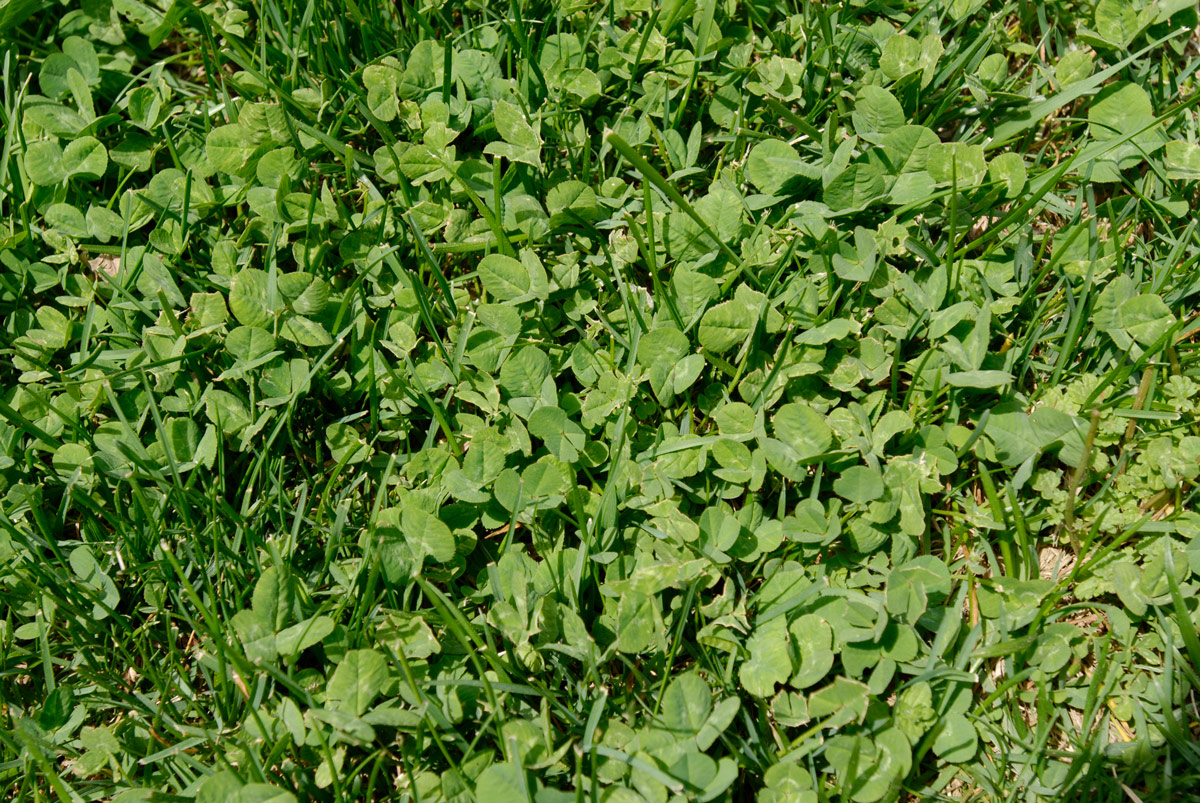
Image Source: naturalawn.com
Why Clover Invades Your Lawn
Before diving into clover removal, it’s helpful to understand why it thrives. Clover typically flourishes in lawns that are:
- Under-fertilized: Lacking essential nutrients, especially nitrogen, creates an opening for clover. Clover is a legume, meaning it can fix its own nitrogen from the air. This gives it a competitive edge when other grasses are starved.
- Improperly Mowed: Mowing too short weakens grass, making it susceptible to weed invasion. Taller grass shades the soil, keeping it cooler and moister, conditions clover enjoys.
- Poorly Aerated: Compacted soil hinders grass root development, making it harder for grass to compete for resources.
- Drought-Stressed: When grass is stressed by lack of water, it thins out, providing a perfect opportunity for clover to spread.
- Low pH (Acidic Soil): Clover tends to prefer slightly acidic soil conditions, whereas many desirable lawn grasses prefer a more neutral pH.
Strategies for Clover Removal
There are several effective ways to tackle clover in your yard. The best approach often involves a combination of methods.
Manual Clover Removal
For smaller infestations or if you prefer an organic approach, manual clover removal is a viable option.
- Tools: A good weeding tool, such as a dandelion digger or a hori hori knife, can be very effective. A garden trowel also works.
- Technique:
- Water the area thoroughly the day before to soften the soil.
- Carefully dig around the base of the clover plant, aiming to get as much of the root system as possible.
- Gently pull the plant from the ground.
- Fill any holes left behind with good quality topsoil and reseed with your lawn’s grass seed.
- Pros: Eco-friendly, precise, no chemicals involved.
- Cons: Time-consuming, labor-intensive, especially for large areas. Might not remove all the roots, leading to regrowth.
Natural Clover Control and Organic Methods
For those seeking a greener approach, several natural clover control methods can be employed. These focus on creating a healthier lawn environment and using less aggressive treatments.
- Corn Gluten Meal: This is a pre-emergent weed suppressor. Applied in early spring before clover seeds germinate, it can prevent new clover from sprouting. It also acts as a slow-release nitrogen fertilizer for your lawn.
- Application: Apply at a rate of 20 pounds per 1,000 square feet.
- Timing: Best applied in early spring and again in fall.
- Vinegar: Household vinegar (acetic acid) can kill clover on contact, especially when applied during hot, sunny weather.
- Type: Use horticultural vinegar (20% acetic acid) for more potent results. Household vinegar (5% acetic acid) will work but requires more applications and may not be as effective on established plants.
- Application: Spray directly onto the clover leaves. Be careful not to spray desirable grass, as it can also damage or kill it.
- Caution: Vinegar is a non-selective herbicide, meaning it kills any plant it touches. Use it sparingly and with precision.
- Boiling Water: Pouring boiling water directly onto clover patches can kill them.
- Caution: Similar to vinegar, this is non-selective and will kill any plant it contacts, including your grass. Best for small, isolated patches or cracks in pavement.
- Improving Lawn Health: The most effective natural clover control is a dense, healthy lawn.
- Fertilize Appropriately: Use a balanced fertilizer to ensure your grass has the nutrients it needs to compete.
- Mow High: Set your mower to a higher setting (3-4 inches for most cool-season grasses) to shade the soil and promote deeper root growth in your grass.
- Water Deeply and Infrequently: This encourages grass roots to grow deeper, making the lawn more resilient.
- Aerate Regularly: Aerating helps relieve soil compaction, allowing grass roots to access air, water, and nutrients more easily.
- Overseed: Fill in bare spots with grass seed to prevent weeds from establishing.
Chemical Clover Treatments (Herbicides)
When manual or natural methods aren’t enough, chemical herbicides can be a powerful tool for clover removal. It’s crucial to choose the right product and apply it correctly.
- Types of Herbicides for Clover:
- Selective Post-Emergent Herbicides: These are designed to kill specific weeds, like clover, without harming your lawn grass (if applied correctly).
- Broadleaf Herbicides: Clover is a broadleaf plant, so herbicides that target broadleaf weeds are effective.
- Key Active Ingredients to Look For:
- 2,4-D: A common and effective broadleaf herbicide.
- MCPP (Mecoprop): Often found in combination with 2,4-D.
- Dicamba: Another effective broadleaf killer.
- Triclopyr: Known for its effectiveness against woody plants and broadleaf weeds.
- Quinclorac: Can be effective against clover and crabgrass.
- Fluroxypyr: Another common ingredient in selective broadleaf herbicides.
- How to Apply Herbicides Effectively:
- Read the Label: This is the most important step. The product label will tell you what grass types it’s safe for, the correct dilution rates, application methods, and safety precautions.
- Timing: Apply when clover is actively growing, usually in late spring or early fall when temperatures are between 60°F and 85°F (15°C to 29°C). Avoid applying during extreme heat or drought conditions, as this can stress your lawn.
- Weather: Do not apply if rain is expected within 24 hours, as it can wash the herbicide away. Avoid windy conditions to prevent drift onto desirable plants or neighboring properties.
- Application Method: Use a spreader for granular herbicides or a sprayer for liquid formulations. Ensure even coverage.
- Follow-Up: Some clover may require a second application after a few weeks, especially if the infestation is severe.
Table 1: Common Herbicides for Clover Control
| Herbicide Type | Common Active Ingredients | Best For | Considerations |
|---|---|---|---|
| Selective Liquid | 2,4-D, MCPP, Dicamba, Fluroxypyr | Killing clover without harming most turfgrass | Check label for grass compatibility. Avoid windy days. May require repeat applications. |
| Selective Granular | Similar active ingredients as liquid, in granular form | Ease of application with a spreader | Less prone to drift than liquids. Ensure spreader is calibrated correctly. Water in after application. |
| Broadleaf Weed Control | Products containing a combination of the above | General broadleaf weed problems, including clover | Can be very effective. Always test on a small area if unsure about grass safety. |
| Non-Selective | Glyphosate | Killing all vegetation in an area | Use only for spot treatment on clover where you don’t mind killing the grass. Re-seed afterward. |
- Spot Treatment vs. Broadcast Application:
- Spot Treatment: Apply herbicide only to the clover patches. This is ideal for small infestations or if you are concerned about over-application.
- Broadcast Application: Apply herbicide over the entire lawn. This is more efficient for widespread clover but requires careful selection of a herbicide that is safe for your specific lawn grass.
Using a Clover Killer
When you’re specifically looking for a “clover killer,” you’ll want a selective herbicide that targets clover effectively. Many commercial weed killers are designed for this purpose. Look for products that list clover as a target weed on the label. These often contain a blend of active ingredients that work synergistically to eliminate clover while protecting your lawn.
Lawn Care Clover Strategies
Maintaining a healthy lawn is your best defense against clover. Consider these essential lawn care practices:
Proper Mowing Techniques
- Height: Mow your grass at the higher end of the recommended range for your grass type. For most cool-season grasses (like fescue, bluegrass, and rye), this means 3 to 4 inches. Taller grass shades the soil, making it harder for clover seeds to germinate and grow.
- Sharp Blades: Keep your mower blades sharp. Dull blades tear grass, creating weak spots that weeds can exploit. Sharp blades make clean cuts, promoting faster healing.
- Mulching: Leave grass clippings on the lawn (grasscycling). They decompose and return nutrients to the soil, acting as a natural fertilizer and helping to retain moisture.
Fertilization
- Nutrient Balance: Apply fertilizer according to soil test results. A balanced fertilizer will provide the necessary nutrients for strong grass growth. Clover thrives in low-nitrogen conditions, so ensuring your grass has adequate nitrogen is key.
- Timing: Fertilize at the appropriate times for your grass type (usually spring and fall for cool-season grasses).
Watering Wisely
- Deep and Infrequent: Water your lawn deeply to encourage deep root growth. This makes the grass more drought-tolerant and better able to compete with weeds. Aim for about 1 inch of water per week, applied in one or two watering sessions, rather than light, frequent watering.
- Avoid Overwatering: Overwatering can lead to shallow root systems and increase the risk of fungal diseases, which can weaken the lawn.
Aeration and Dethatching
- Aeration: Compacted soil restricts root growth and air circulation. Core aeration, which removes plugs of soil, helps to alleviate compaction, allowing grass roots to penetrate deeper and access water and nutrients more effectively. Aim to aerate once a year, ideally in the fall for cool-season grasses.
- Dethatching: A thick layer of thatch (dead grass and debris) can suffocate grass and create a favorable environment for weeds. Dethatching removes this layer, improving water and nutrient penetration to the soil.
Overseeding
- Fill Gaps: After aeration or if you have thin patches, overseeding with a quality grass seed mix appropriate for your climate and lawn type is crucial. This thickens the lawn and crowds out potential weed growth.
Prevent Clover From Returning
Once you’ve successfully removed clover, the focus shifts to preventing its return.
Maintain a Healthy Lawn Ecosystem
- Consistent Lawn Care: Adhering to proper mowing, watering, and fertilizing practices is your primary defense.
- Soil Health: Consider adding compost or other organic matter to improve soil structure and nutrient-holding capacity.
- pH Balance: Test your soil pH and amend it if necessary. Most turfgrasses prefer a pH between 6.0 and 7.0. Lime can be used to raise the pH of acidic soil, making it less hospitable to clover.
Pre-Emergent Weed Control
- Corn Gluten Meal: As mentioned earlier, corn gluten meal can act as a pre-emergent, preventing new weed seeds (including clover) from germinating. Apply in early spring and fall.
- Commercial Pre-Emergents: Other pre-emergent herbicides are available, but ensure they are labeled for use on your specific type of lawn grass and that they target clover seeds.
Addressing Underlying Soil Issues
- Soil Testing: Regularly test your soil to identify any nutrient deficiencies or pH imbalances that might be favoring clover growth.
- Compaction: Continue with regular aeration to prevent soil compaction.
When to Seek Professional Help
If you have a severe clover infestation or are struggling to get your lawn under control, consider hiring a professional lawn care service. They have access to a wider range of treatments and the expertise to diagnose and address the root causes of weed problems.
FAQ: Frequently Asked Questions about Clover in the Lawn
Q1: What is the best time to treat clover in my lawn?
A1: The best time to treat clover with herbicides is when it is actively growing, typically in late spring or early fall when temperatures are moderate (60-85°F). This allows the herbicide to be absorbed effectively by the plant.
Q2: Can I get rid of clover naturally without chemicals?
A2: Yes, you can get rid of clover naturally through manual removal, improving lawn health (mowing high, proper watering and fertilizing), using corn gluten meal as a pre-emergent, or applying vinegar or boiling water to small patches.
Q3: Will grass seed kill clover?
A3: Grass seed itself won’t kill clover, but overseeding a lawn with healthy grass seed will help thicken the turf and crowd out clover over time, making it harder for clover to establish.
Q4: Is clover bad for my lawn?
A4: While clover has some benefits (like nitrogen fixation), it is generally considered a weed in lawns because it creates an uneven texture and color. It thrives in conditions where grass struggles, indicating potential underlying lawn health issues.
Q5: How quickly does a clover treatment work?
A5: The speed of a clover treatment depends on the method used. Manual removal is instant. Chemical treatments can show signs of wilting within days, with complete kill-off often taking 1-3 weeks. Natural methods like vinegar may require multiple applications.
Q6: What is a good clover killer for a fescue lawn?
A6: For a fescue lawn, look for a selective broadleaf herbicide that is labeled as safe for fescue. Common active ingredients include 2,4-D, MCPP, Dicamba, and Fluroxypyr. Always check the product label to confirm compatibility.
Q7: How do I prevent clover from coming back after I remove it?
A7: Prevention involves maintaining a dense, healthy lawn through proper mowing, watering, and fertilizing. Regular aeration, dethatching, and overseeding also help. Applying corn gluten meal in spring and fall can also act as a pre-emergent barrier.
By following these detailed steps and focusing on consistent, proactive lawn care, you can effectively get rid of clover and enjoy a beautiful, healthy lawn.