
Can you have rats in your yard? Yes, you can have rats in your yard. Seeing rats in your yard can be alarming and unhygienic. This guide will walk you through everything you need to know about rat control and effective rodent removal for your outdoor spaces. We’ll cover how to identify a rat infestation, implement rodent proofing yard strategies, and discuss various methods for pest control for rats, including outdoor rat bait, rat traps for yard, natural rat repellent, and how to choose a safe rat killer.
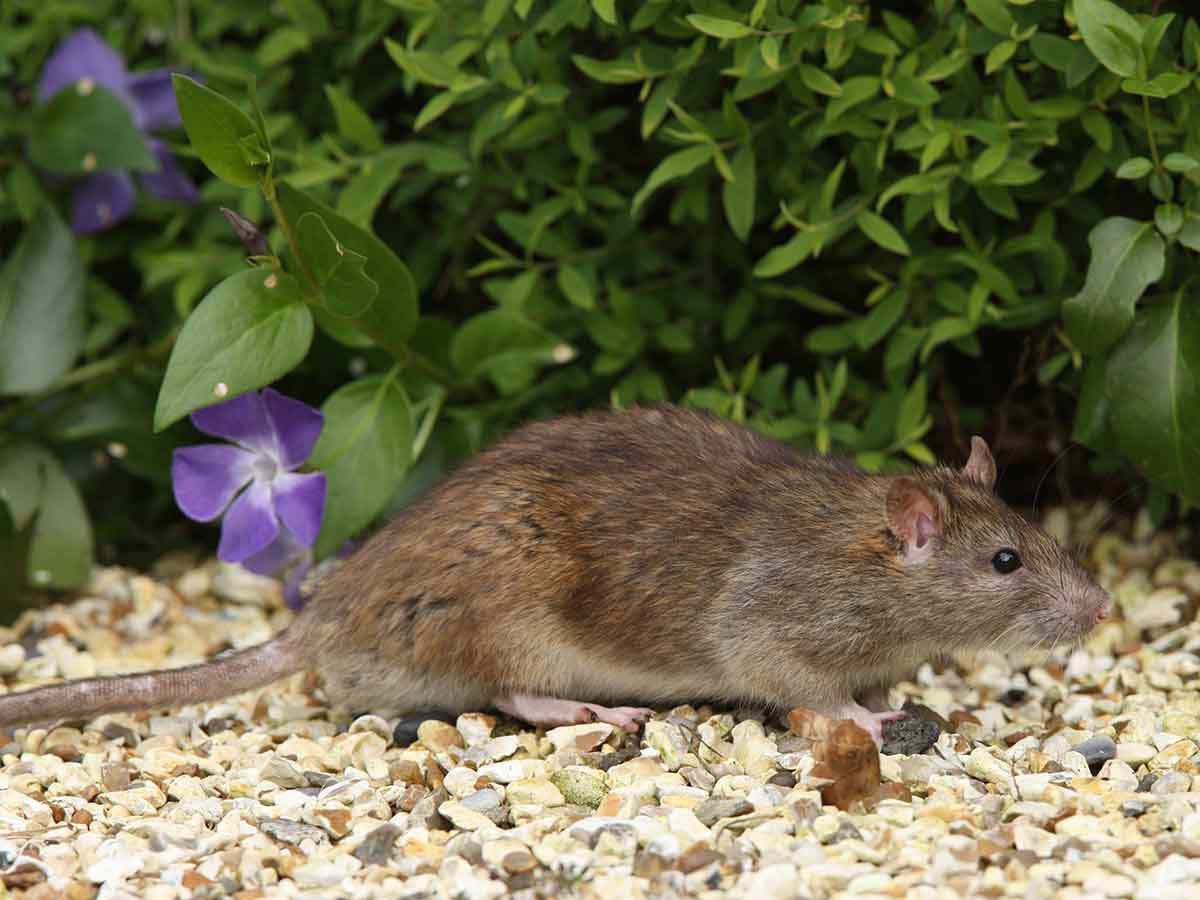
Image Source: thebugmaster.com
Identifying a Rat Problem
Before you can get rid of rats, you need to know if you actually have them. Look for these signs:
- Droppings: Rat droppings are dark, pellet-shaped, and about ¾ inch long. You’ll often find them along their travel paths, near food sources, or in nesting areas.
- Gnaw Marks: Rats have constantly growing teeth. You’ll see evidence of them gnawing on wood, wires, plastic, and even concrete.
- Nests: Rats build nests from soft materials like shredded paper, fabric, or insulation. They often build them in secluded, dark places like under sheds, decks, or in dense vegetation.
- Tracks: In dusty areas, you might see paw prints. Rats have five toes on their front paws and four on their back.
- Grease Marks: As rats travel along the same paths, the oil and dirt from their fur can leave dark smudges on surfaces like walls or pipes.
- Sounds: Scratching or scurrying noises, especially at night, can indicate a rodent presence.
- Live Sightings: The most obvious sign is seeing a rat itself. They are typically active at dawn and dusk.
Why Rats Are In Your Yard
Rats don’t just appear. They are attracted to certain conditions in your yard. Let’s look at the common attractants that might be drawing them in:
Food Sources
Rats are opportunistic eaters. Anything that provides them with a reliable food source will make your yard a desirable location.
- Pet Food: Unfinished pet food left outdoors overnight is a prime target.
- Bird Seed: Spilled birdseed from feeders can be a significant attractant.
- Fallen Fruit and Nuts: Fruit that has fallen from trees or nuts scattered on the ground can feed rat populations.
- Garbage: Accessible garbage cans, especially those not properly sealed, offer a feast for rats.
- Compost Piles: If your compost pile contains meat scraps, dairy, or greasy foods, it can become a rat buffet.
- Gardens: Vegetable gardens can provide a fresh food supply.
Shelter and Nesting Sites
Rats need safe places to hide, rest, and raise their young. Your yard might be offering them just that.
- Dense Vegetation: Overgrown bushes, ivy, and tall grass provide cover and nesting opportunities.
- Clutter and Debris: Piles of lumber, old tires, woodpiles, or general yard clutter offer numerous hiding spots.
- Structures: Sheds, garages, decks, and porches can provide shelter and access points into your home.
- Burrows: Rats often dig burrows in the ground, especially in soft soil or under structures.
Water Sources
Like all living creatures, rats need water to survive.
- Standing Water: Bird baths, clogged gutters, or leaky outdoor faucets can provide a water source.
- Pet Water Bowls: Water bowls left outside continuously can also be used by rats.
Effective Methods for Rat Control and Rodent Removal
Once you’ve confirmed a rat problem, it’s time to take action. A multi-pronged approach is usually most effective for rat control and rodent removal.
1. Eliminating Attractants: The First Step to Deterring Rats
This is the most crucial step for long-term rodent proofing yard success. If you remove what attracts them, they are less likely to stay or return.
Food Management
- Secure Pet Food: Bring pet food bowls inside at night. Store all pet food in sealed, chew-proof containers (metal or heavy-duty plastic).
- Manage Bird Feeders: Use squirrel-proof feeders. Clean up spilled seed regularly. Consider suspending feeders away from structures and trees that rats can climb.
- Clean Up Yard Debris: Promptly collect fallen fruit and nuts from trees. Don’t leave pet waste lying around.
- Secure Garbage: Use sturdy garbage cans with tight-fitting lids. If rats are a persistent problem, consider metal cans. Keep trash cans away from the house if possible.
- Rethink Your Compost: Avoid adding meat, dairy, or greasy foods to your compost pile. Turn your compost regularly to speed decomposition and reduce odors. Consider using enclosed compost bins.
Water Management
- Fix Leaks: Repair any leaky outdoor faucets or hoses.
- Empty Standing Water: Regularly empty bird baths or change the water. Ensure gutters are clear and not holding water.
Shelter Management
- Trim Vegetation: Keep bushes and shrubs trimmed away from your house foundation. Aim for at least a 2-3 foot gap. Trim overhanging branches that rats can use to access your roof.
- Clear Clutter: Remove piles of wood, debris, old equipment, or any other clutter from your yard. Store firewood off the ground and away from structures.
- Seal Entry Points: Inspect your home’s exterior for any cracks or holes larger than a quarter inch. Seal them with steel wool, caulk, or concrete. Pay attention to areas around pipes, vents, and utility lines. Rats can squeeze through surprisingly small openings.
2. Using Rat Traps for Yard
When attractants are managed but rats persist, traps are a common and effective method for rodent removal. There are several types of rat traps for yard use.
Snap Traps
These are traditional and effective. When a rat triggers the mechanism, a spring-loaded bar snaps shut, killing the rat instantly.
- Placement: Place traps along walls or in areas where you’ve seen signs of rats. Rats tend to travel along edges. Place them perpendicular to walls with the trigger side facing the wall.
- Baiting: Use attractive baits like peanut butter, bacon bits, dried fruit, or nuts. Secure the bait to the trigger mechanism so the rat has to engage with it to get the food.
- Multiple Traps: Use several traps if you suspect a rat infestation. Rats are cautious, so placing multiple traps increases your chances of catching one.
- Check Regularly: Check traps daily and dispose of captured rats promptly and safely.
Live Traps (Catch-and-Release Traps)
These traps capture rats alive, allowing for relocation.
- How They Work: Rats enter the trap to get the bait, and the door closes behind them, trapping them inside.
- Baiting: Similar baits to snap traps work well.
- Relocation: If you use live traps, you must relocate the rats. Check local regulations regarding the release of wildlife. It’s generally recommended to release them several miles away from your home to prevent them from returning. Be aware that relocated rats may not survive in unfamiliar territory.
Electronic Traps
These traps use batteries to deliver a lethal electric shock to the rat when it enters.
- How They Work: Rats walk onto a metal plate, completing a circuit and receiving a shock.
- Pros: They are often considered more humane than snap traps, are easy to use, and indicate when a rat has been caught.
- Cons: They can be more expensive than traditional snap traps.
3. Outdoor Rat Bait and Safe Rat Killer Options
Outdoor rat bait, also known as rodenticide, can be effective for pest control for rats. However, it comes with significant risks and requires careful consideration and use.
- How Rodenticides Work: These poisons are designed to kill rats, often by causing internal bleeding or other physiological damage.
- Types of Bait:
- First-Generation Anticoagulants (FGARs): Require multiple feedings to be lethal. Examples include Warfarin.
- Second-Generation Anticoagulants (SGARs): Are much more potent and can be lethal after a single feeding. Examples include Bromadiolone, Brodifacoum, and Difenacoum. SGARs are more commonly used today.
- Importance of Bait Stations: Always use outdoor rat bait in tamper-resistant bait stations. These stations protect the bait from weather and, crucially, prevent non-target animals (like pets, children, or wildlife) from accessing the poison.
- Placement of Bait Stations: Place bait stations along rat pathways, near burrows, or where signs of activity are high. Ensure they are secured so they cannot be easily tipped over.
- Choosing a Safe Rat Killer: When using rodenticides, consider the potential risks. If you have pets or children, extreme caution is necessary. SGARs pose a higher risk of secondary poisoning to wildlife that may eat a poisoned rat. Always read and follow the label instructions precisely. If you are unsure, consult a professional pest control service.
- Risks of Rodenticides:
- Secondary Poisoning: Predators (like owls, hawks, or cats) that eat poisoned rats can also be poisoned.
- Primary Poisoning: Pets or children can accidentally ingest the bait if bait stations are not used or are compromised.
- Environmental Contamination: Improper disposal of bait or carcasses can contaminate soil and water.
- When to Use: Rodenticides are often best used for severe rat infestations where other methods have failed, or by professional pest control services.
4. Natural Rat Repellent and Deterrent Methods
For those seeking less toxic solutions, natural rat repellent and other deterrents can be helpful, though their effectiveness can vary.
- Peppermint Oil: Rats reportedly dislike the strong smell of peppermint oil. Soak cotton balls in pure peppermint oil and place them in areas where you see rat activity. Reapply regularly as the scent fades.
- Ammonia: The strong smell of ammonia can deter rats. Place small bowls of ammonia-soaked rags in affected areas. Be cautious as ammonia fumes can be harmful to humans and pets if inhaled directly.
- Cayenne Pepper: Some people sprinkle cayenne pepper in areas where rats travel, hoping the spice will deter them.
- Predator Urine: The scent of predator urine (like fox or coyote) can signal danger to rats and make them avoid the area. This is available commercially.
- Ultrasonic Repellers: These devices emit high-frequency sounds that are supposed to be unpleasant to rodents. Their effectiveness is debated, and rats may become accustomed to the sound over time.
- Mothballs: While sometimes suggested, the effectiveness of mothballs as a natural rat repellent is questionable, and the chemicals can be harmful to pets and the environment. Their use is generally discouraged.
5. Professional Pest Control
If your rat infestation is severe, persistent, or you’re uncomfortable handling it yourself, calling a professional pest control service is the best course of action.
- Expertise: Professionals have the knowledge and experience to identify the extent of the problem, the species of rat involved, and the most effective and safest methods for rodent removal.
- Access to Products: They have access to professional-grade rodenticides and trapping equipment that may not be available to the public.
- Safety: Professionals are trained in the safe application of safe rat killer products and can implement rodent proofing yard strategies effectively.
- Integrated Pest Management (IPM): Reputable pest control companies will typically use an Integrated Pest Management approach, combining multiple strategies for long-term rat control.
Maintaining a Rat-Free Yard: Long-Term Prevention
Getting rid of rats is one thing; keeping them away is another. Consistent effort in rodent proofing yard is key.
- Regular Yard Maintenance: Keep your lawn mowed and trim back overgrown vegetation.
- Seasonal Clean-ups: Conduct regular clean-ups of fallen leaves, debris, and any potential nesting materials.
- Inspect and Seal: Periodically check your home’s exterior for new cracks or entry points and seal them promptly.
- Monitor Food Sources: Continue to be vigilant about securing pet food, bird seed, and garbage.
- Educate Your Household: Ensure everyone in your home understands the importance of not leaving food or garbage accessible to rats.
Frequently Asked Questions (FAQ)
Q1: How quickly can I get rid of rats in my yard?
A1: The time it takes to eliminate rats depends on the size of the infestation and the methods used. With aggressive trapping and sanitation, you might see a significant reduction within a week or two. However, complete elimination and long-term prevention can take several weeks or months of consistent effort.
Q2: Are rats dangerous to humans or pets?
A2: Yes, rats can be dangerous. They can carry diseases that can be transmitted to humans and pets through their urine, feces, saliva, or by direct contact. Their gnawing can also create fire hazards by damaging electrical wires.
Q3: What is the best bait for rat traps?
A3: Peanut butter is a highly effective bait due to its strong smell and sticky texture, which keeps rats engaged with the trigger. Other good options include bacon bits, nuts, dried fruit, chocolate, or small pieces of sausage.
Q4: Can I use rat poison if I have pets or children?
A4: Using rat poison (rodenticide) when you have pets or children present is extremely risky. If you must use it, it is absolutely essential to use tamper-resistant bait stations and place them in areas inaccessible to pets and children. However, the safest approach is to avoid poisons altogether or to hire a professional pest control service that can use them safely and strategically.
Q5: How do I know if it’s mice or rats in my yard?
A5: Rat droppings are larger (about ¾ inch long) and more pellet-shaped than mouse droppings, which are smaller and more pointed. Rats also gnaw larger holes and leave behind larger gnaw marks. You are also more likely to hear louder scratching or scurrying noises from rats due to their larger size.
Q6: Can I use essential oils to repel rats?
A6: Some essential oils, particularly peppermint oil, are believed to repel rats due to their strong scent. While they can act as a deterrent, their effectiveness can be limited, and they typically need to be reapplied frequently as the scent dissipates. They are generally considered a milder form of natural rat repellent.
Q7: What should I do with a rat caught in a trap?
A7: If you use a snap trap or electronic trap, wear gloves and place the dead rat in a plastic bag, seal it, and dispose of it in an outdoor garbage bin. If you use a live trap, wear gloves and release the rat at least several miles away from your home in an appropriate habitat, following any local wildlife regulations.
By following these comprehensive steps, you can effectively address a rat infestation in your yard and take proactive measures to prevent future issues, ensuring a safer and cleaner outdoor environment. Remember that consistent effort in rodent proofing yard is the most powerful tool in your rat control arsenal.