
What is the best way to start a lawn care business and make it grow? The best way to start a lawn care business and make it grow involves careful planning, acquiring the right equipment, understanding legal requirements, setting competitive prices, and implementing effective marketing strategies.
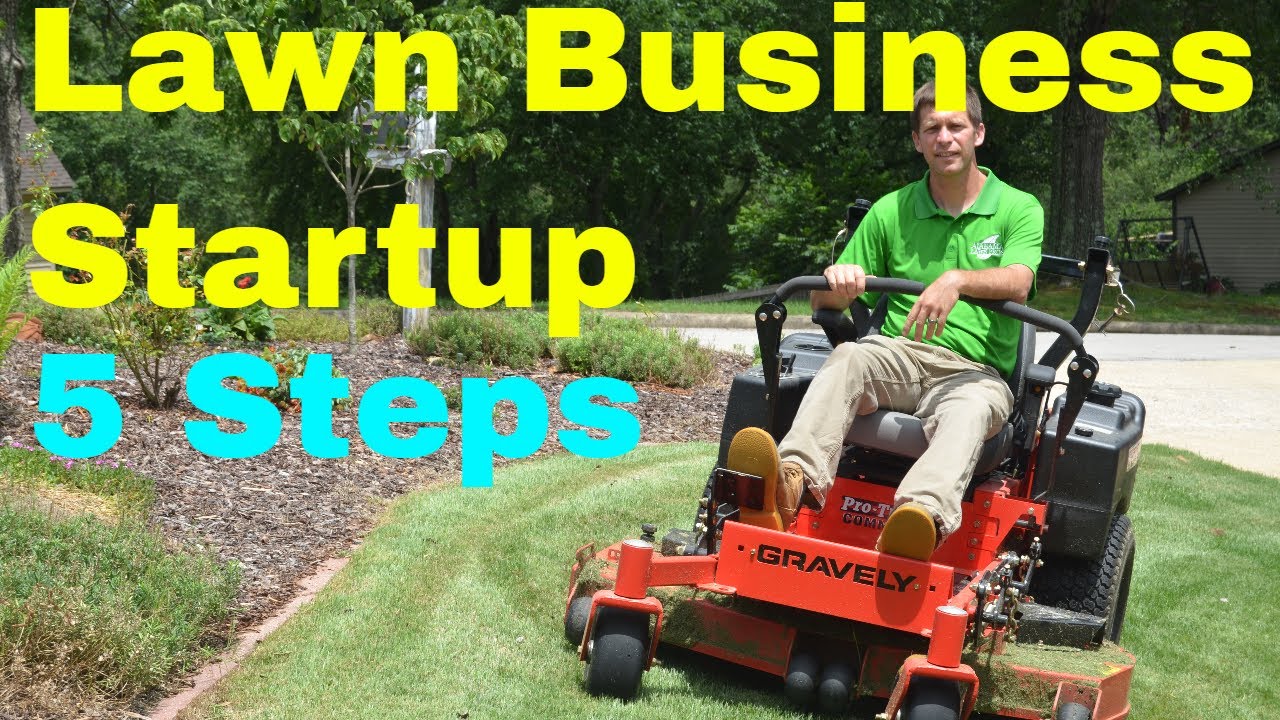
Image Source: i.ytimg.com
Launching Your Lawn Care Services Startup
Starting a lawn care business can be a rewarding venture, offering a path to entrepreneurship with tangible results. Many people wonder how to begin. This guide will walk you through the essential steps to launch your lawn care services startup successfully and set it on a trajectory for robust growth. Whether you’re dreaming of a small lawn mowing business or aiming for comprehensive commercial lawn maintenance, the foundational principles remain the same.
Developing Your Lawn Care Business Plan
Every successful business starts with a solid foundation, and for a lawn care business, that foundation is a well-thought-out lawn care business plan. This document is your roadmap, guiding your decisions and helping you secure funding if needed.
Key Components of a Lawn Care Business Plan:
- Executive Summary: A brief overview of your entire plan.
- Company Description: What your business is, its mission, and its vision.
- Services Offered: Detail the specific lawn care services you will provide (mowing, trimming, fertilizing, aeration, pest control, etc.).
- Market Analysis: Identify your target customers (residential, commercial, or both) and analyze your competition.
- Marketing and Sales Strategy: How you will reach and attract customers.
- Management Team: Who will run the business.
- Financial Projections: Startup costs, operating expenses, revenue forecasts, and profit margins.
- Funding Request (if applicable): How much money you need and how you’ll use it.
For a residential lawn care business, you might focus on neighborhood aesthetics and customer service. For commercial lawn maintenance, you’ll emphasize reliability, professionalism, and meeting contractual obligations.
Legalities and Licensing for Your Lawn Care Business
Navigating the legal landscape is crucial for any business, and a lawn care business license is just the beginning. Ensure you comply with all federal, state, and local regulations.
Essential Legal Steps:
- Business Name Registration: Choose a unique and memorable name.
- Business Structure: Decide on a sole proprietorship, partnership, LLC, or corporation. An LLC is often a good choice for small businesses as it offers liability protection.
- Obtain an Employer Identification Number (EIN): If you plan to hire employees or operate as a corporation or partnership, you’ll need an EIN from the IRS.
- Business Licenses and Permits: Research the specific lawn care business license requirements in your city, county, and state. This may include general business licenses, permits for using pesticides, or permits for operating commercial vehicles.
- Insurance: This is non-negotiable. You’ll need general liability insurance, workers’ compensation (if you have employees), and possibly commercial auto insurance. This protects you from lawsuits and financial losses due to accidents or damage.
Fathoming Business Structures:
| Structure | Liability Protection | Ease of Setup | Taxation |
|---|---|---|---|
| Sole Proprietorship | None | Very Easy | Personal income tax |
| Partnership | Limited (varies) | Easy | Personal income tax (each partner) |
| LLC | Yes | Moderate | Pass-through or corporate tax |
| Corporation | Yes | Complex | Corporate tax, then dividends taxed again |
Acquiring Essential Lawn Care Equipment
The right lawn care equipment is vital for efficiency and quality. Starting lean is possible, but you’ll need a core set of tools to deliver professional results.
Core Lawn Care Equipment:
- Commercial-Grade Mower: A reliable, durable mower is your primary tool. Consider walk-behind mowers for smaller properties and zero-turn mowers for larger areas and faster work.
- Trimmer/Edger: Essential for clean lines and detailing.
- Blower: For clearing clippings and debris.
- Hedge Trimmers: For shaping shrubs and bushes.
- String Trimmer Line: Plenty of it!
- Fuel and Oil: For your equipment.
- Safety Gear: Eye protection, hearing protection, gloves, sturdy footwear.
- Transportation: A truck or trailer to haul your equipment.
As your business grows, you might invest in aerators, dethatchers, spreaders, and more specialized tools. Don’t overlook maintenance; keeping your lawn care equipment in top condition prevents costly breakdowns and ensures consistent performance.
Building Your Service Offerings and Pricing
Deciding what lawn care services to offer and how to price them are critical decisions that directly impact your profitability and competitiveness.
Defining Your Service Packages
Consider offering tiered service packages to cater to different customer needs and budgets. This can range from basic mowing to comprehensive landscape management.
Sample Service Tiers:
- Basic Mow & Go: Includes mowing, trimming around obstacles, and blowing hard surfaces.
- Standard Care: Includes Basic Mow & Go plus edging along sidewalks and driveways.
- Premium Maintenance: Includes Standard Care plus fertilizing, weed control, and seasonal clean-ups.
For commercial lawn maintenance, you might offer contracts that include regular inspections, seasonal planting, and irrigation system checks. For a residential lawn care business, focus on curb appeal and customer satisfaction.
Pricing Lawn Care Services Strategically
Pricing lawn care services requires a balance between covering your costs, remaining competitive, and generating a profit. Avoid the trap of underpricing; it can lead to burnout and an unsustainable business.
Methods for Pricing:
- Per Job Basis: Estimate the time and resources required for each specific property. This is common for initial client acquisition.
- Hourly Rate: Good for unpredictable jobs or when scope changes.
- Monthly/Seasonal Contracts: Provides recurring revenue and allows for customer loyalty. This is ideal for commercial lawn maintenance and many residential lawn care business clients.
- Per Square Footage: Useful for larger properties or specific services like seeding.
Calculating Your Costs:
- Direct Costs: Fuel, oil, equipment maintenance, consumables (fertilizer, seed).
- Indirect Costs: Insurance, vehicle payments, marketing, administrative costs, your own labor (don’t forget to pay yourself!).
- Overhead: Office supplies, phone, internet.
- Profit Margin: What you want to earn above your costs.
A good starting point for pricing lawn care services is to calculate your hourly cost of operation (including all expenses and desired profit) and then estimate how many hours a job will take.
Example Pricing Table (Illustrative):
| Service | Small Yard (e.g., < 5,000 sq ft) | Medium Yard (e.g., 5,000-10,000 sq ft) | Large Yard (e.g., > 10,000 sq ft) |
|---|---|---|---|
| Basic Mow & Trim | $40 – $60 | $60 – $90 | $90+ |
| Mow, Trim & Edge | $50 – $75 | $75 – $110 | $110+ |
| Fertilization (per app) | $60 – $80 | $80 – $120 | $120+ |
| Seasonal Clean-up | $150 – $300 | $300 – $500 | $500+ |
Note: These are examples and should be adjusted based on your local market, costs, and the specifics of the property.
Marketing Your Lawn Care Business
Even the best lawn care services won’t attract customers if they don’t know you exist. Effective marketing a lawn care business is essential for growth.
Reaching Your Target Audience
Tailor your marketing efforts to your ideal customer. For a residential lawn care business, focus on homeowners in your service area. For commercial lawn maintenance, target property managers, business owners, and facility managers.
Effective Marketing Channels:
- Local SEO: Optimize your website and online listings (Google My Business) so people searching for “lawn care near me” find you.
- Website: A professional website showcasing your services, prices, testimonials, and contact information is crucial.
- Social Media: Engage with your local community on platforms like Facebook and Instagram. Share before-and-after photos, tips, and promotions.
- Flyers and Door Hangers: A classic for residential lawn care business marketing, targeting specific neighborhoods.
- Vehicle Wraps: Turn your company vehicles into mobile billboards.
- Referral Programs: Encourage satisfied customers to refer friends and neighbors. Word-of-mouth is powerful.
- Local Partnerships: Connect with real estate agents, property managers, and other complementary businesses.
- Paid Advertising: Consider local Google Ads or Facebook ads to reach a wider audience.
Building a Strong Brand and Reputation
Your brand is more than just a logo; it’s the overall impression you leave with customers.
Key Brand Elements:
- Professionalism: Punctual service, clean uniforms, well-maintained equipment.
- Reliability: Showing up when you say you will, completing jobs as promised.
- Customer Service: Friendly communication, responsive to inquiries, and resolving issues promptly.
- Quality: Delivering excellent results that enhance the appearance of properties.
Excellent customer service and consistent, high-quality work will lead to positive reviews and testimonials, which are invaluable for marketing a lawn care business.
Growing Your Lawn Care Business
Once established, focus on strategies to expand your reach and increase revenue.
Expanding Your Service Offerings
As you gain experience and build a customer base, consider adding more specialized services. This can include:
- Lawn Aeration and Dethatching: Improves soil health and grass growth.
- Overseeding: Fills in bare spots and thickens turf.
- Hedge and Shrub Pruning: A natural extension of plant care.
- Mulching: Enhances garden beds and conserves moisture.
- Seasonal Clean-ups: Spring and fall leaf removal.
- Snow Removal: Diversify services for year-round income.
- Landscape Design and Installation: For those with horticultural knowledge.
These additional lawn care services can attract new clients and provide more revenue streams from existing ones.
Scaling Operations and Managing Growth
Growth requires careful planning to avoid overwhelming your resources.
Strategies for Scaling:
- Hiring and Training Staff: As your client list grows, you’ll need reliable employees. Invest in training to ensure they uphold your quality standards.
- Investing in Better Equipment: Larger, more efficient lawn care equipment can handle more volume and improve productivity.
- Route Optimization: Plan your daily routes efficiently to minimize travel time and fuel costs.
- Customer Relationship Management (CRM) Software: Helps manage clients, schedules, invoices, and communication.
- Financial Management: Keep tight control over your finances. Regularly review profitability, manage cash flow, and plan for reinvestment.
Remember to continuously evaluate your lawn care business plan and adapt it as your business evolves.
Nurturing Customer Relationships for Longevity
Customer retention is often more cost-effective than acquiring new customers.
Building Loyalty:
- Consistent Quality: Always deliver on your promises.
- Proactive Communication: Inform clients about schedule changes or weather delays.
- Personalized Service: Remember client preferences, like how they like their grass cut.
- Loyalty Programs: Offer discounts for long-term customers or referrals.
- Surveys and Feedback: Ask for feedback and act on it to improve your lawn care services.
A happy customer is your best advertisement, especially in the competitive residential lawn care business and commercial lawn maintenance sectors.
Frequently Asked Questions About Starting a Lawn Care Business
Q1: How much money do I need to start a lawn care business?
A1: Startup costs can vary significantly. You might be able to start a basic lawn mowing business with a few hundred dollars for essential lawn care equipment and initial marketing. However, to offer a wider range of lawn care services, invest in commercial-grade equipment, insurance, and business licensing, you could need several thousand dollars. A detailed lawn care business plan will help you estimate these costs accurately.
Q2: What are the most profitable lawn care services?
A2: While mowing is the bread and butter for many, services like fertilization, weed control, aeration, and seasonal clean-ups often have higher profit margins. Commercial lawn maintenance contracts can also be very lucrative due to their scale and regularity.
Q3: Do I need a business license to mow lawns?
A3: Yes, in most areas, you will need some form of lawn care business license or general business permit to operate legally. It’s essential to research your specific state, county, and city requirements.
Q4: How do I set prices for my services?
A4: Pricing lawn care services involves calculating your costs (equipment, labor, insurance, fuel), factoring in a profit margin, and researching competitor pricing. Consider offering tiered packages for different customer needs.
Q5: How can I market my new lawn care business effectively?
A5: Effective marketing a lawn care business includes a mix of online and offline strategies. This includes creating a professional website, optimizing for local search (Google My Business), using social media, distributing flyers, and encouraging customer referrals.
Q6: What kind of insurance do I need for a lawn care business?
A6: You absolutely need general liability insurance to protect against property damage and injuries. If you have employees, workers’ compensation insurance is mandatory. Commercial auto insurance is also critical if you use vehicles for your business.
Q7: Is it better to focus on residential or commercial clients?
A7: Both have pros and cons. A residential lawn care business can offer a steady stream of smaller jobs, while commercial lawn maintenance often involves larger contracts and more predictable revenue, but may require more specialized equipment and bidding processes. Many successful businesses serve both.